

Wholesale Tamping Rammer Factories You Can Trust for Bulk Orders
2026-11-04
Sourcing tamping rammers in bulk can quickly turn into a gamble if you pick the wrong factory. Delayed shipments, inconsistent compaction force, and weak after-sales support are common pain points. That’s why Dynamic takes a different approach: engineering machines that hold up under heavy use and backing them with supply chains built for large orders. In this post, we’ll break down the key signals of a trustworthy wholesale factory—so your next bulk purchase doesn’t become a costly lesson.
What Bulk Buyers Should Verify Before Choosing a Tamping Rammer Factory
Start by pushing past the glossy brochures and asking for a live demonstration under load. Many factories will show you a machine idling on a smooth concrete floor, which tells you almost nothing about how it handles compacted gravel or clay. Insist on seeing the rammer work on the kind of material your crews deal with every day, and watch how the operator has to hold it. If the vibration is excessive or the jump height inconsistent, that's a sign of poor balancing or weak engine integration. Also check the factory's own test bay—does it simulate continuous duty cycles, or just a quick start-stop? A factory that won't let you witness a full 30-minute run on packed soil is hiding something.
Next, dig into the bill of materials for the components that fail most often: the bellows, the foot plate, and the air filter housing. A good factory will name the specific grade of rubber or reinforced nylon used in the bellows, and they'll have batch records proving it. Ask who supplies the engine—if it's a no-name clone of a Honda or Robin, expect a 20% shorter lifespan. The foot plate should be cast from ductile iron, not mild steel, and the welding points need full penetration, not just tack welds. If the factory can't show you incoming inspection reports for these parts, walk away.
Finally, verify their spare parts philosophy. Tamping rammers get dropped, run low on oil, and clogged with dust in the field. A factory that only sells complete machines but has no dedicated stock of bellows, springs, or carburetor kits will leave your team waiting weeks for a five-dollar seal. Ask for a list of the ten most commonly ordered spare parts and their typical dispatch time. Better yet, request a sample kit with your first order and see how they package it—are the parts individually sealed with clear labels, or just thrown in a cardboard box? That level of care reveals how seriously they take after-sales support, which matters more than the initial price.
Inside the Production Floors of Trusted Wholesale Rammer Suppliers
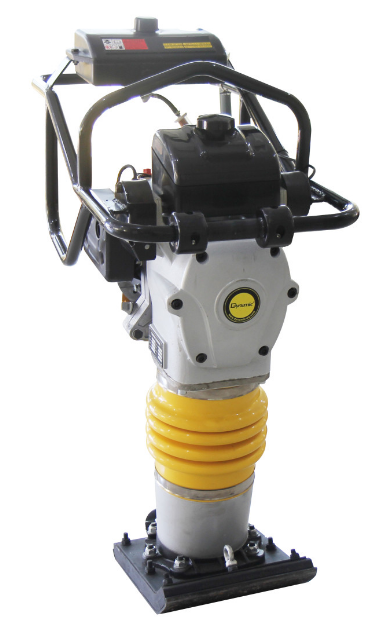
Walking into a trusted wholesale rammer supplier’s production floor, the first thing you notice is the rhythmic clang of automated welding arms joining thick steel plates. Unlike cramped, outdated workshops, these facilities spread across multiple stations, each one dedicated to a single precision task—laser cutting, robotic bending, or CNC machining. Forklifts glide silently between lines carrying raw castings and pre-assembled foot plates, while overhead cranes move entire rammer bodies without disturbing the operators below.
Every batch of incoming steel and aluminum is checked for hardness and thickness before it ever reaches a cutting table. Workers here don’t just rely on digital readouts; they tap the material with hammers and run their gloved fingers along welds, listening for the dull thud that signals a hidden void. The hum of hydraulic test rigs blends with the occasional burst of compressed air as rammer pistons are cycled thousands of times under full load, each unit’s vibration frequency logged on a tablet that follows it from station to station.
Final assembly bays are quieter, almost surgical. Technicians in anti-static coats torque down engine mounts and fuel lines by hand, then run each machine on a dyno for forty-five minutes while watching exhaust temps and oil pressure. Only after a rammer survives a drop test onto concrete and a simulated twenty-hour job site run does it get a serial number stamped into its frame. That stamp is what separates bulk-made copies from equipment built to outlast the warranty—and why wholesale buyers keep coming back to these floors, not just the catalogs.
How to Avoid Costly Delays With Large Tamping Rammer Orders
One of the most overlooked steps is confirming the exact specifications before the order gets locked in. A large tamping rammer order often involves custom shoe sizes, engine variations, or specific vibration frequencies, and a tiny mismatch here can halt an entire project. Instead of relying on a purchase order alone, schedule a quick call with the manufacturer to walk through every line item. Ask for a written confirmation of the current lead time for each configuration, not just a generic estimate. This early back-and-forth might feel tedious, but it prevents the two-week production delay that comes from discovering a wrong plate width after the units are already bolted together.
Once the order is placed, don't disappear until the delivery date. Large rammer orders rarely ship as a single batch, and a supplier might prioritize smaller, repeat customers if you're not actively engaged. Set up a simple weekly check-in—a quick email or phone call—asking for photos of the units on the assembly line or the latest packing list. If you're working through a dealer, request that they forward the factory's production schedule rather than just saying "it's on track." This also gives you a chance to flag any shipping bottlenecks early. For instance, if the rammers need to go by flatbed and there's a regional truck shortage, you can arrange alternate freight while there's still time to adjust.
Smart buyers also build a buffer into the schedule that accounts for customs inspections, port congestion, or even a missed welding step. Instead of promising your crew the rammers will be on site the exact day the container arrives, add three to five working days for unloading and local delivery. If possible, negotiate split shipments with the supplier—receiving six units now and the remaining four in two weeks can keep your compaction work moving while the rest are in transit. Finally, make sure the contract spells out what happens if the delay extends past a certain date, whether that's a discount on freight or expedited production for the next order. Having that conversation before the deadline hits is far less stressful than scrambling after the fact.
Comparing Factory Quotes for Wholesale Tamping Rammers the Right Way
When you start lining up quotes from different factories for wholesale tamping rammers, resist the urge to focus only on the unit price. A cheap quote often hides differences in engine brand, plate material, or even the thickness of the bellows. Ask each factory to itemize what's included: Is the handle foldable? Does the quote cover a starter motor and a spare set of filters? Without these details, you're comparing apples to orange crates.
Next, look closely at the warranty and after-sales support. Some factories offer a low upfront price but charge heavily for replacement parts later, or they have no local service network. A quote that includes a two-year warranty on the engine and a guaranteed 72-hour parts dispatch might cost more per unit now, but it will save you downtime and angry customers down the road.
Finally, calculate the true landed cost. This means adding freight, customs duties, and any bank transfer fees to the factory quote. Also consider payment terms: a 30% deposit with the balance against a pre-shipment inspection is safer than paying 50% upfront to a factory you've never audited. The right way to compare quotes is to make them comparable first—then negotiate hard on the total value, not just the sticker price.
Quality Red Flags That Experienced Importers Never Ignore
A seasoned importer will pull a sample from the middle of the carton, not the top, and check the actual thickness with a micrometer. Certificates can be printed to say anything, but a batch of stainless steel sheets that runs 0.08 mm under spec will fail silently in the field months later. The difference between 1.2 mm and 1.12 mm doesn't sound like much until you're replacing rusted panels on a warranty claim.
Surface finish is another area where shortcuts hide in plain sight. Run your fingernail along the inside edge of a stamped bracket or the underside of a welded joint. Experienced importers know that a smooth, uniform powder coat can still be hiding sharp burrs, weak weld penetration, or uneven zinc plating underneath. Factories that cut corners on deburring and post-weld cleanup almost always cut corners on material grade too, because both come from the same cost pressure.
Packaging consistency reveals more than most purchase orders ever will. If the carton weight from one shipment drifts by three or four percent compared to the last, someone changed the gauge of the cardboard, the count per inner bag, or the source of the raw material. Label printing that is slightly fuzzy, missing a batch code, or uses a different font on the barcode means the goods may have been repacked from mixed production runs. These are the quiet signals that a factory is losing process control, and they always appear before the major failures do.
Building Long-Term Supply Agreements With Rammer Manufacturers
Establishing multi-year supply agreements with Rammer manufacturers requires moving beyond routine purchase orders. The most durable contracts build in shared demand forecasts, agreed buffer stock levels for high-turnover breaker models, and clear reorder triggers. Without these mechanisms, lead times during peak construction or quarry seasons can stretch unpredictably, leaving fleets idle and projects delayed.
Contract terms should specify technical support response times, access to original wear parts at fixed or indexed pricing, and straightforward procedures for warranty claims on hydraulic breakers used in heavy demolition or rock breaking. Many operators overlook the value of including scheduled maintenance training from the manufacturer’s service engineers. That upfront investment reduces misuse, extends hammer life, and keeps warranty coverage intact.
A long-term agreement also works best when it aligns future equipment upgrades. As Rammer releases new hammer series or compatibility kits for different carriers, a committed partner can secure retrofit options before they reach the open market. This forward-looking clause reduces the risk of fleet obsolescence and makes the total cost of ownership easier to predict over several years.
FAQ
Look beyond the glossy catalog. Ask for a live video tour of the welding and assembly lines, not just finished products. Check if they have in-house testing for engine alignment and vibration dampening, and request the specific compaction force and stroke specs they validate against. A factory that can explain its heat treatment process for the shoe plate is usually one that controls quality rather than just assembling parts.
Request a recent production schedule with order volumes, not a generic capacity claim. Ask how many units they ship per month and which components they keep in buffer stock. Lead time promises mean little without proof of raw material orders. A reliable factory will tell you the weekly output per line and warn you about seasonal spikes in engine supply.
Most trusted factories will do more than slap on a logo. You can often choose engine type, shoe width, color, and even tuning for specific soil conditions. Some offer reinforced handles, spark arrestors, or packaging tailored to your region. The key is asking for a sample run first, because custom vibration damping changes need to be tested, not just bolted on.
Expect a range that usually includes Honda GX, Loncin, or Robin-Subaru style engines depending on your market and emissions requirements. Factories worth your time will be honest about which engines hold up under continuous compaction and will show you failure rate data or at least discuss carburetor tuning for high altitude or dusty conditions.
Bulk pricing is rarely a flat percentage off. It depends on engine choice, whether you take standard colors, and how many units per container. Some factories quote low base prices then charge extra for throttle cables, air filters, or proper plywood crating. Ask for a line-by-line itemized quote that separates the machine, engine, packaging, and any pre-shipment inspection fees.
Insist on more than a 'we check every unit' answer. A trustworthy supplier will run each engine, test the rammer on compacted soil or a concrete bed, and inspect weld points and fuel tank seals. Third-party inspection through SGS or BV before loading is common for bulk orders, and many good factories will welcome it rather than push back.
Most factories set MOQs between 5 and 20 units for mixed models, though smaller trial orders are sometimes possible if you accept standard specifications and engine options. For fully custom colors or shoe sizes, the minimum often rises because of setup costs. It is worth asking if the factory will split the first container with another model to help you test demand.
Reliable factories use steel brackets or plywood crates to stop the rammer from shifting during ocean freight. Engines should be drained of fuel and the rammer shoe protected from rust. Ask if they handle FOB or CIF terms and whether they label each carton with part numbers that match your destination country's import requirements. Good packaging prevents warranty headaches later.
Conclusion
When sourcing tamping rammers in bulk, the difference between a reliable partner and a costly mistake often comes down to how thoroughly you vet the factory before signing anything. Smart buyers don't stop at glossy brochures or a low unit price; they dig into production capacity, check whether the facility actually has the welding stations and assembly lines to handle your order volume without subcontracting, and ask for recent export records to confirm they've shipped to your region before. Walking the production floor—even via live video if travel isn't possible—reveals more than any audit report: you'll see whether workers follow torque specs on engine mounts, whether components are stored properly, and whether the quality control team actually tests each unit under load rather than just eyeballing it. This kind of scrutiny is what separates importers who get consistent rammers batch after batch from those who discover cracked base plates or faulty throttle cables only after the container arrives.
Beyond the initial factory check, experienced buyers know that avoiding delays and protecting margins requires a disciplined approach to quotes and contracts. Instead of comparing prices line by line, they ask for a full breakdown—engine brand, plate thickness, handle material, packaging—so that a cheaper quote doesn't hide thinner steel or a lower-grade Honda clone. They also nail down production lead times, payment milestones tied to inspection, and penalty clauses for late shipment, because a factory that promises four weeks but delivers in ten can wreck an entire selling season. Over time, the most trusted relationships come from factories that welcome third-party inspections, openly share their defect rate, and are willing to adjust designs based on field feedback. If a supplier gets defensive when you ask about rework procedures or warranty claims, that's a red flag no contract can fix. Building a long-term agreement with a rammer manufacturer isn't about locking in the lowest price today; it's about aligning on quality thresholds, communication frequency, and mutual growth so that your bulk orders keep moving without surprises.
Contact Us
Contact Person: Annie
Email: [email protected]
Tel/WhatsApp: 8613391442963
Website: https://www.dynamic-eq.com