

Wheat Grain Mill Plant: A Step-by-Step Guide to Efficient Operation
2026-07-21
Unlocking the full potential of a wheat grain mill plant isn’t just about machinery—it’s about mastering a seamless, cost-effective workflow from grain intake to finished flour. Whether you’re running a small-scale operation or managing a high-capacity facility, efficiency hinges on smart design and precision control. At PINGLE, decades of engineering expertise translate into systems that minimize waste and maximize output. In this guide, we’ll walk you through the critical steps that make the difference between a typical mill and a truly optimized one—without the fluff or generic advice.
Setting Up Your Wheat Mill for Peak Performance
Achieving peak performance from your wheat mill begins long before the first grain is poured. Start by thoroughly cleaning all components, as even small amounts of residual flour or debris can cause uneven grinding and premature wear. Inspect the grinding stones or burrs for any signs of damage or misalignment—these are the heart of your mill and must be in perfect condition to produce consistent, high-quality flour. Once cleaned and inspected, lubricate moving parts according to the manufacturer's recommendations, using only food-grade lubricants to avoid contamination. Finally, run a small batch of wheat through the mill and discard it; this initial run helps remove any lingering particles and ensures the first usable flour is entirely pure.
The dialing-in process demands attention to both speed and grain conditioning. Adjust the mill's feed rate gradually—too fast, and you risk overheating the motor and producing coarse, inconsistent flour; too slow, and you may unnecessarily extend milling time without any quality gain. Take the time to properly condition your wheat by tempering it with just the right amount of moisture. This step softens the bran and makes it more pliable, allowing for cleaner separation and better extraction rates. Experiment with small adjustments, observing how changes impact the flour's texture and temperature. A well-tuned mill should run smoothly, with a steady hum rather than a straining pitch, signaling that all components are working in harmony.
Consistent maintenance is the linchpin of lasting performance. After each milling session, take a few minutes to brush out the grinding chamber and hopper, preventing buildup that can harbor pests or go rancid. Periodically recheck burr alignment and stone clearance—these can drift over time due to vibration or settling. Keep a log of any adjustments and the resulting flour quality; this simple record becomes invaluable for troubleshooting and replicating excellent results. Remember, a mill that is treated as a precision tool rather than an appliance will repay you with years of reliable service and flour that unlocks the full flavor of your grains.
Mastering the Cleaning and Conditioning Phase
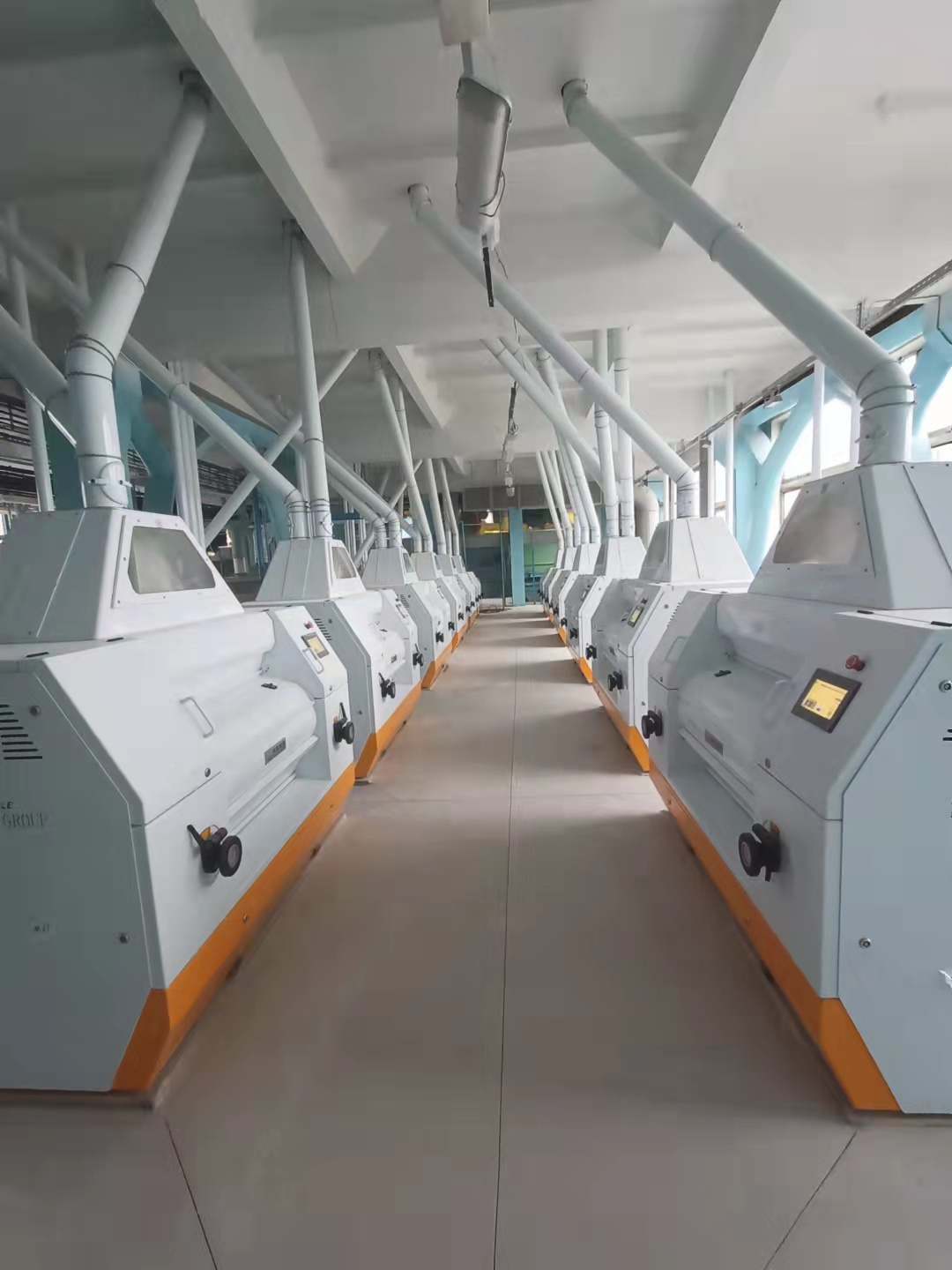
Getting the cleaning part right sets the stage for everything else. Rushing through it or using a product that’s too abrasive will only trap dirt under the conditioner, undoing your hard work before you’ve even finished. A microfiber cloth and a dedicated cleaner matched to the material can lift grime without stripping away natural oils that keep the surface supple.
Once the surface is truly clean and dry, conditioning should feel like a deliberate step, not an afterthought. Work the product in with your hands or a soft applicator, letting it soak for a few minutes before buffing off any excess. Over time, this rhythm of thorough cleaning followed by attentive conditioning becomes second nature—and the results show in materials that stay resilient and resist cracking far longer than those that get only a quick wipe-down.
Fine-Tuning the Grinding Process for Consistent Flour
Getting flour to come out the same way every time starts with paying close attention to the mill's settings. Small changes in the gap between the stones or the speed of the rollers can shift the texture from coarse to extra fine in a matter of seconds. I often run a few test batches with different adjustments, checking how the flour feels between my fingers and how it settles in the bin. That hands-on approach helps dial in just the right combination, especially when I’m switching between grains like hard wheat and spelt, which behave quite differently under pressure.
Temperature can sneak up and cause trouble before you realize it. When the grinding mechanism runs too hot, the flour can lose moisture and develop a slightly toasted flavor that might not suit every recipe. I’ve learned to pause after long runs, letting the equipment cool down while I sift through what’s already been ground. Sometimes I even chill the grain slightly beforehand—nothing drastic, just enough to keep the heat from building too quickly. It’s a small trick, but it keeps the color and taste consistent from the first scoop to the last.
Beyond the machine, the environment plays a bigger role than most people expect. Humidity, for one, can clump the particles or make them stick to the equipment, throwing off the flow rate and the final texture. On damp days, I store the grain in a dry spot and only bring out what I need for the session. I also make it a habit to clean out the grinding chamber between batches; residue from an earlier run can mix in and create surprises. Over time, these habits stop feeling like extra work and become a rhythm, the kind that turns an unpredictable process into something you can count on.
Sifting and Purification: Achieving the Perfect Texture
The key to an impeccable texture lies in the often-overlooked step of sifting. When you force flour or powdered sugar through a fine mesh, you’re not just breaking up clumps—you’re aerating the particles, which later translates to a lighter, more delicate mouthfeel. This simple act also ensures that dry ingredients blend seamlessly, preventing those frustrating pockets of unmixed flour in your final product.
Purification goes hand in hand with sifting, especially when working with ingredients that carry impurities or coarser bits. Passing them through a sieve can catch unwanted fragments, leaving you with a base that’s both smoother and cleaner. Think of it as refining your raw materials, so every grain contributes to a velvety outcome rather than introducing grit or unevenness.
Beyond the basic technique, don’t be afraid to double-sift for ultra-fine results or experiment with different mesh sizes depending on your goal. Some bakers even combine sifting with gentle tapping or swirling motions to encourage an even flow, which makes all the difference in achieving that restaurant-quality finish without a single lump in sight.
Balancing Throughput and Energy Use
Finding the sweet spot between raw processing speed and energy consumption is no longer a niche engineering concern—it’s a fundamental design principle. Systems optimized purely for clock cycles often bulldoze through tasks with reckless power draw, while those tuned for miserly wattage can choke under real workloads. The real skill lies in understanding workload patterns and dynamically aligning resource allocation so that peak efficiency emerges naturally from the interplay of demand and capability.
Modern architectures embrace this tension rather than try to eliminate it. Techniques like adaptive voltage scaling, fine-grained power gating, and heterogeneous compute units let a system breathe—ramping up when latency matters and dialing back during lulls. Software plays an equally critical role, with schedulers that weigh both performance headroom and thermal budget to keep chips operating in their most efficient envelope.
The payoff isn’t just a lower electricity bill. Sustaining high throughput without thermal throttling preserves component lifespan and avoids the hidden costs of cooling infrastructure. It’s a quiet kind of optimization that rewards those who treat power not as a fixed cost but as a fluid resource to be shaped alongside performance goals.
Maintenance Routines That Prevent Downtime
The most effective way to avoid unplanned outages is to treat maintenance as a continuous habit rather than a scheduled chore. This means integrating quick visual checks, listening for unusual sounds, and logging minor irregularities into the daily workflow. Over time, these small observations create a living record of your equipment’s health, allowing you to spot subtle shifts before they become failures. It’s less about sticking to a rigid calendar and more about building familiarity with your machines—so when something feels off, you know it instantly.
A surprising number of failures stem from overlooked basics like loose cable connections, dust-clogged filters, or slightly misaligned components. Shifting part of your focus to environmental factors—temperature swings, vibration levels, humidity—can reveal patterns that standard checklists miss. Simple habits, such as wiping down surfaces during walkthroughs or marking bolt positions with a paint pen to visually detect loosening, turn passive inspections into an active defence against deterioration.
Where many operations fall short is linking what they see during maintenance to actual operational data. When a technician’s note about a scorched contact correlates with a tiny current fluctuation logged weeks earlier, you’re not just fixing a part—you’re uncovering systemic stress points. Encouraging your team to connect these dots, and giving them the autonomy to adjust intervals based on real-world wear rather than generic guidelines, transforms routine upkeep into an intelligent, evolving system that keeps downtime genuinely rare.
FAQ
Start with a thorough site assessment and layout design. You'll want to map out the entire flow—from grain intake to flour packaging—making sure there's a logical progression that minimizes backtracking or cross-contamination. It's also the right time to check local regulations, power supply, and dust control requirements.
It's a balancing act between roll adjustments, sifting, and moisture control. I'd recommend starting with properly conditioned wheat (aim for 14–16% moisture) and then experimenting with roll gaps to avoid over-grinding. Regular purifier checks help remove bran specks, giving you a cleaner flour without waste.
Focus on bearings, belts, and screen condition. A weekly walk-through to listen for unusual noises, check vibration, and lubricate key points can catch issues early. Also, keep a log of roll wear and sifter bolt tightness—those get overlooked until they cause a breakdown.
Dust explosion prevention is the big one. Even small accumulations of fine flour dust on surfaces can be dangerous. Many plants forget to bond and ground all equipment properly or let housekeeping slide. Also, lockout-tagout procedures during maintenance aren't just paperwork—they save lives.
Usually it's either excess moisture, poor grain cleaning, or a sifter that's not sized right for the load. Try backing off the tempering water a bit and inspecting the cleaning section for stones or debris. If the sifter can't handle the throughput, you might need to adjust sieve angles or slow the feed rate.
It depends on your long-term goals. Even a basic PLC to control feed rates and monitor temperatures can pay off by reducing labor and improving consistency. You don't need a fully robotic plant—sometimes just automating the packaging line or adding sensors to detect bin levels gives you a quick efficiency boost.
Conclusion
Operating a wheat grain mill plant efficiently demands a holistic approach that begins long before the first grain is ground. The foundation lies in meticulous setup: aligning rollers, calibrating sifters, and verifying airflow systems to ensure every component operates within design tolerances. Without this initial discipline, even the most advanced machinery can underperform, leading to inconsistent output and unnecessary wear. Equally crucial is the cleaning and conditioning phase, where careful removal of impurities and precise moisture adjustment set the stage for optimal milling. Too little conditioning, and the bran fractures unpredictably; too much, and sifting becomes a bottleneck. It’s a delicate equilibrium that separates mediocre operations from those delivering uniform flour day after day.
Once the grain is prepared, the real artistry emerges in the grinding and purification stages. Adjusting roll gaps and differential speeds isn’t a set-it-and-forget-it task—it requires constant monitoring of granulation curves and ash content to hit target particle sizes without overheating the stock. Complementing this, the sifting and purifying systems must work in tandem to scalper, grade, and clean the middlings, achieving the desired texture while rejecting specks of bran. Yet efficiency isn’t solely about product quality; it’s also about balancing throughput with energy consumption. Smart operators track specific energy ratios and tweak feed rates to avoid running equipment at peak load unnecessarily, cutting costs without sacrificing output. Underpinning all this is a proactive maintenance culture: daily inspections of bearings, belts, and sieve cleaners, coupled with scheduled overhauls, keep minor hiccups from snowballing into costly downtime. Taken together, these practices transform a milling plant from a mere collection of machines into a finely tuned system where every step—from wheat intake to flour bagging—operates in harmony.
Contact Us
Contact Person: Jiakuo Wu
Email: [email protected]
Tel/WhatsApp: +86-13011566087
Website: https://www.pinglemachine.com