

Transformative Insights: Current Trends in Transformer Company Innovations
2026-01-11
In a world where transformer technology is rapidly evolving, staying ahead of the curve is key to powering progress. At Lugao, we're at the forefront of this transformation, diving into the latest innovations that are reshaping industries. From smart grids to renewable energy integration, our exploration of current trends will unveil how these advancements are not just changing equipment—they're revolutionizing the way we think about power. Join us as we uncover transformative insights that could spark your next big idea. Get ready to be inspired and informed, because the future of transformers is here, and it's more exciting than ever.
Revolutionizing Power Grids: Key Advances in Transformer Technology
The power grid landscape has witnessed a significant transformation in recent years, with transformer technology at the forefront of this change. Traditional transformers, while reliable, often struggled with efficiency losses and limited ability to adapt to fluctuating energy demands. However, new innovations are addressing these challenges head-on. For instance, solid-state transformers are emerging as a game-changer, offering enhanced control over voltage and current, which allows for better integration of renewable energy sources like solar and wind into the grid. These advances not only boost overall system resilience but also pave the way for smarter, more responsive power networks that can dynamically adjust to real-time needs.
Another key development lies in the integration of digital technologies into transformer design. Modern transformers now incorporate sensors and IoT capabilities, enabling continuous monitoring of performance metrics such as temperature, load, and insulation health. This data-driven approach facilitates predictive maintenance, reducing downtime and extending the lifespan of equipment. By leveraging artificial intelligence and machine learning algorithms, utilities can analyze these insights to optimize energy flow and prevent potential failures before they occur, thereby enhancing operational efficiency and cutting costs in the long run.
Looking ahead, the adoption of eco-friendly materials and cooling systems is further revolutionizing transformer technology. Innovations like biodegradable fluids and advanced thermal management solutions are reducing environmental impact while maintaining high performance standards. These advancements not only align with global sustainability goals but also ensure that power grids remain robust in the face of increasing energy demands and climate-related disruptions, ultimately supporting a more stable and greener energy future.
Smart Transformers: Integrating IoT and AI for Enhanced Efficiency
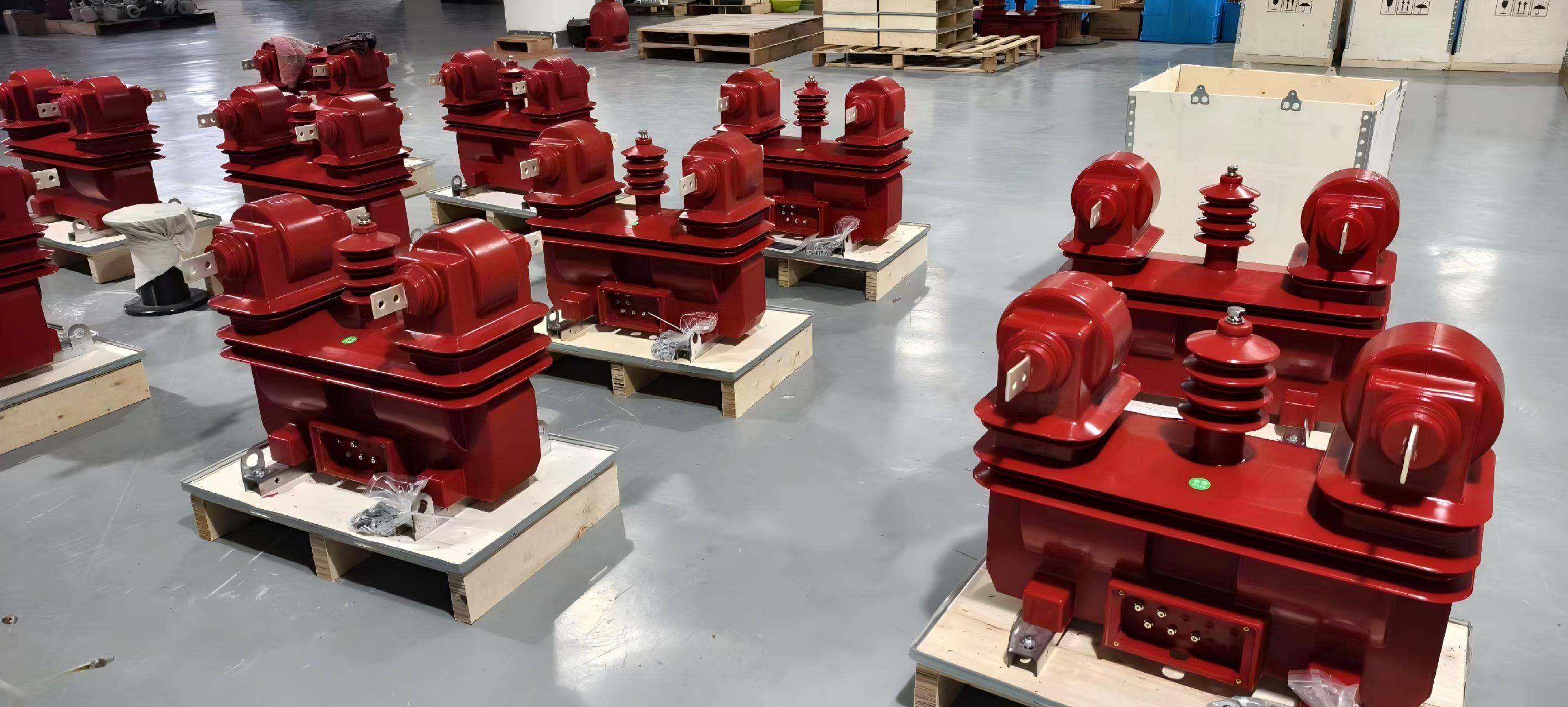
Smart transformers represent a leap forward in power distribution, merging IoT connectivity and AI-driven analytics to optimize energy flow and grid reliability. By embedding sensors and communication modules, these devices monitor critical parameters like voltage, temperature, and load in real-time, enabling proactive maintenance and reducing downtime. This integration allows for dynamic adjustments based on consumption patterns, enhancing efficiency while minimizing waste.
The synergy of AI algorithms with IoT data transforms passive transformers into intelligent nodes that predict failures before they occur, cutting costs and extending equipment lifespan. Unlike traditional models, smart transformers adapt to fluctuating demand, balancing supply seamlessly across networks. This not only boosts operational performance but also supports renewable energy integration by managing intermittent sources more effectively.
Moreover, these systems empower utilities with actionable insights, fostering smarter grid management and energy conservation. As IoT and AI evolve, smart transformers will play a pivotal role in building resilient, sustainable infrastructure, driving toward a future of connected and efficient power systems.
Sustainable Innovations: Eco-Friendly Materials and Energy Savings
Sustainable innovations are revolutionizing industries by prioritizing eco-friendly materials and energy efficiency. From bioplastics derived from plant-based sources to recycled metals and textiles, these materials reduce waste and carbon footprints. Companies are increasingly adopting these alternatives not just for environmental benefits, but also to meet consumer demand for greener products, creating a circular economy that minimizes impact on the planet.
By integrating advanced technologies like smart grids and energy-efficient appliances, significant energy savings are achieved without compromising functionality. These systems optimize power usage in real-time, cutting down on unnecessary consumption in homes, offices, and factories. This shift not only lowers utility bills but also supports global efforts to combat climate change by reducing reliance on non-renewable resources.
Together, eco-friendly materials and energy-saving solutions drive a sustainable future, fostering innovation that balances economic growth with ecological preservation. As these practices become mainstream, they inspire further research and development, paving the way for a cleaner, more resilient world for generations to come.
Modular Designs: Scalable Solutions for Diverse Industrial Applications
In today's fast-paced industrial landscape, modular designs are revolutionizing how businesses approach scalability and adaptability. These systems break down complex structures into independent, interchangeable components, allowing for easy customization and expansion as needs evolve. From manufacturing plants to energy grids, this flexibility enables industries to respond swiftly to changing demands without overhauling entire operations.
What sets modular solutions apart is their ability to cater to diverse applications seamlessly. Consider a logistics company that can reconfigure its warehouse layout using modular shelving units, or a tech firm that scales server capacity by adding pre-fabricated modules. This versatility reduces downtime and costs, fostering innovation across sectors like healthcare, where modular labs can be quickly deployed for research or emergencies.
By integrating modular designs, industries not only enhance efficiency but also future-proof their infrastructure. These scalable solutions support sustainable growth, enabling companies to start small and expand incrementally as opportunities arise. As global challenges like supply chain disruptions or technological shifts emerge, modular approaches offer a resilient path forward, ensuring businesses remain competitive and agile in an ever-changing world.
Predictive Maintenance: Leveraging Data Analytics to Reduce Downtime
Faced with the constant challenge of unexpected breakdowns in industrial settings, predictive maintenance has emerged as a game-changing approach. By utilizing data analytics, companies can shift from traditional time-based or reactive maintenance to a more proactive strategy. This involves collecting vast amounts of data from sensors, machines, and historical records, then applying algorithms to detect patterns and anomalies that signal potential failures. As a result, organizations can schedule repairs precisely when needed, avoiding costly downtime and extending the lifespan of equipment.
The core of this method lies in its ability to turn raw data into actionable insights. Advanced tools like machine learning models and real-time monitoring systems analyze factors such as vibration, temperature, and performance metrics, predicting issues long before they cause a halt. For instance, in manufacturing lines, slight deviations in energy consumption might indicate a bearing is wearing out, allowing teams to intervene early. This not only boosts efficiency but also enhances safety by preventing catastrophic failures that could lead to accidents.
Implementing predictive maintenance can yield substantial benefits, including reduced maintenance costs, increased productivity, and improved asset reliability. By integrating IoT devices and cloud platforms, businesses gain a holistic view of their operations, enabling continuous optimization. Over time, this data-driven approach fosters a culture of innovation, where insights from analytics drive smarter decisions and competitive advantage in today's fast-paced industrial landscape.
Global Market Shifts: Emerging Trends and Future Developments in Transformers
The global transformer market is undergoing a significant transformation, driven by shifts in energy policies and technological advancements. As countries prioritize renewable energy integration and grid modernization, demand for efficient and smart transformers is surging. Emerging trends include the adoption of digital monitoring systems that enhance predictive maintenance, reducing downtime and operational costs. Additionally, the push for sustainability is fueling innovation in eco-friendly designs, such as those using biodegradable oils and recyclable materials, aligning with global environmental goals.
Another key development is the rise of decentralized energy systems, which are reshaping how transformers are deployed and managed. With the growth of microgrids and distributed generation from sources like solar and wind, transformers must now handle bidirectional power flows and variable loads more effectively. This has led to increased interest in solid-state transformers and other advanced technologies that offer greater flexibility and control. Manufacturers are responding by investing in R&D to create more adaptive solutions, positioning themselves at the forefront of this evolving landscape.
Looking ahead, the future of transformers is set to be shaped by innovations in artificial intelligence and the Internet of Things, enabling more autonomous and resilient grid operations. As markets continue to globalize, collaboration across regions will be crucial to standardize technologies and address challenges like cybersecurity risks. By staying agile and embracing these shifts, stakeholders can capitalize on new opportunities while contributing to a more stable and efficient energy ecosystem worldwide.
FAQ
Recent advancements in materials like amorphous metals and digital monitoring systems are enhancing efficiency and reliability in transformer operations.
Companies are focusing on compact, modular designs that integrate renewable energy sources and smart grid compatibility for improved scalability.
A shift towards eco-friendly insulation fluids and recycling initiatives is reducing environmental impact, aligning with global green energy goals.
IoT sensors and predictive analytics enable real-time fault detection and optimized performance, cutting downtime and extending lifespan.
High initial costs, regulatory hurdles, and skilled workforce shortages pose barriers, but partnerships and innovation are helping overcome these.
Yes, advancements in cooling systems and robust materials enhance durability, supporting stable power delivery during storms or heatwaves.
Expect growth in transformer integration with energy storage and AI-driven optimization for smarter, more adaptive power networks.
Conclusion
Transformative insights into current transformer company innovations reveal a comprehensive shift toward advanced, integrated technologies. Key advances in transformer technology are revolutionizing power grids, enhancing reliability and efficiency across global networks. Simultaneously, smart transformers integrate IoT and AI, enabling real-time monitoring, automated control, and optimized energy flow, which significantly boosts operational performance. Sustainable innovations focus on eco-friendly materials and energy-saving designs, reducing environmental impact while cutting long-term costs. These trends collectively drive the industry toward a more resilient and greener future, as companies leverage cutting-edge solutions to meet evolving energy demands and regulatory standards.
Further transformative trends include modular designs that provide scalable solutions for diverse industrial applications, allowing for flexible deployment and easier upgrades. Predictive maintenance, powered by data analytics, minimizes downtime by anticipating failures before they occur, ensuring continuous operation and safety. Global market shifts highlight emerging trends and future developments, such as increased investment in renewable energy integration and smart grid expansion. Together, these innovations position transformer companies at the forefront of technological advancement, fostering a dynamic landscape where efficiency, sustainability, and adaptability converge to shape the next generation of energy infrastructure.
Contact Us
Contact Person: Doreen
Email: [email protected]
Tel/WhatsApp: 8618057712366
Website: https://www.liugaopower.com/