

Top 10 Horizontal Concealed Fan Coil Units for Quiet, Efficient Climate Control
2026-11-01
A quiet room shouldn’t come with a noisy trade-off. Horizontal concealed fan coil units are built to disappear above the ceiling, yet many still hum louder than they should—or drain more energy than promised. This rundown cuts through the marketing noise to spotlight ten models that actually earn their keep in real spaces. Among them, shairko keeps coming up for its understated performance and consistent low sound levels. If you’re planning an office, hotel, or high-end residential fit-out, these picks give you the comfort you want without the background drone.
Silence Isn’t Just a Spec—It’s a Design Choice
Most products treat silence as an afterthought, a checkbox buried in a datasheet. But when you actually live with a well-designed device, you notice the difference in the first hour. The fan doesn't spin up just because you opened a heavy app. The chassis doesn't hum when the room is quiet. That kind of restraint doesn't come from a noise measurement alone—it comes from deciding early on that quiet is part of the experience, not a happy accident.
Think about how many times you've leaned closer to a laptop because the whine was breaking your concentration. Or how a smart speaker's faint buzz made you turn off the music entirely. These are friction points that specs rarely capture. Designers who prioritize silence end up reshaping everything: the airflow path, the material damping, the way components are mounted. The result isn't just fewer decibels. It's a device that disappears into the background and lets you focus on what you're actually doing.
There's also a less obvious payoff. Quiet hardware feels more durable, more deliberate. It suggests that someone sweated the details you can't see. When a product stays composed under load instead of roaring like a jet engine, it builds a quiet kind of trust. That's why silence, done well, feels less like a specification and more like a point of view—one that respects your attention and your space.
The Ceiling-Space Puzzle: Making a Horizontal Unit Fit
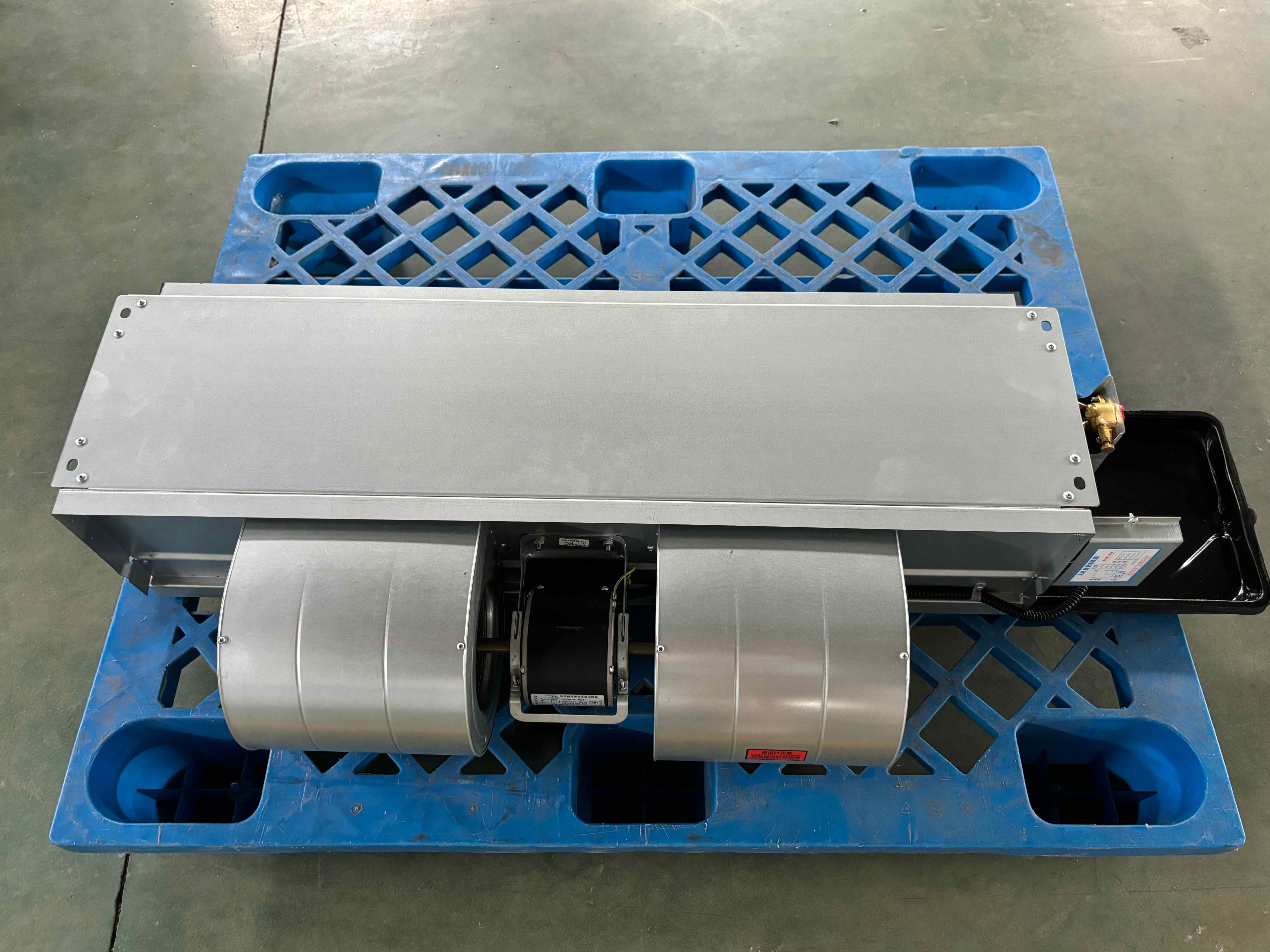
The ceiling often feels like the last frontier in small-space design—overlooked, underused, and awkwardly out of reach. When a horizontal unit, like a long shelf or a low-profile storage bench, needs to sit up there, the usual rules of floor-based furniture simply don't apply. You can't just stack boxes and hope for the best; the ceiling's angle, height, and even the way light falls across it change how a horizontal piece reads in the room. The trick is to treat that upper zone not as dead air, but as a narrow stage where proportion and visual weight matter more than actual square footage.
Start by measuring the ceiling's highest usable plane and the slope of any pitch. A horizontal unit only works if its top edge can clear the lowest point without creating a cramped shadow line. Often, the best fix is to shave the unit's depth rather than its length, allowing it to hug the wall and disappear into the architectural line. Mounting it slightly below the true ceiling peak can also help—this creates a soft reveal that makes the unit feel deliberate, not wedged in. For very tight spots, consider a unit with open ends or a floating profile that lets air move around it, breaking up the heavy horizontal band that can make a low ceiling feel even lower.
Finally, think about what the unit actually does up there. A purely decorative shelf might be fine as a slim ledge, but if you plan to store anything, even lightweight baskets, the mounting hardware has to work in shear as well as tension. Use brackets designed for overhead loads, and anchor into ceiling joists or blocking rather than drywall alone. The goal is a horizontal unit that looks like it was always part of the ceiling's rhythm—not a floor piece that got lost on its way up.
Airflow Patterns That Keep Energy Bills From Creeping Up
Most people think about insulation or thermostat settings when trying to cut energy costs, but the way air moves through your home can quietly undo all that effort. Poor airflow patterns force heating and cooling systems to work harder, especially when vents are blocked or return paths are restricted. Simple changes like rearranging furniture away from registers, keeping interior doors open during peak seasons, and using ceiling fans to push warm air down in winter can make a noticeable difference. These adjustments cost nothing yet help maintain even temperatures, so your HVAC doesn’t cycle on and off more than necessary.
Another overlooked factor is how air escapes through gaps around windows, doors, and even recessed lights. When conditioned air leaks out, outside air gets pulled in to replace it, creating a constant draft that makes rooms feel colder in winter and muggier in summer. Sealing those small openings with weatherstripping or caulk redirects the airflow back through your ducts and vents, keeping the pressure balanced. In many homes, simply closing the fireplace damper when not in use or adding a door sweep to the garage entry can stop the invisible exchange that drives up utility usage month after month.
Finally, consider the path air takes from supply vents to return grilles. If a bedroom door stays shut, the air pumped into that room has no easy way back to the central unit, raising pressure and forcing conditioned air out through any crack. Installing transfer grilles or trimming door bottoms by half an inch restores natural circulation. Upstairs rooms often suffer because heat rises and return vents are placed low, so using a reversible fan to mix the air column helps. These low-cost fixes adjust how air flows through your living space, keeping energy bills steady instead of letting them creep up each season.
Service Hatches and Other Small Details That Matter
Anyone who has spent time on a boat or in a well-used utility space knows that the quietest features often cause the loudest headaches. A service hatch that sticks in cold weather, a hinge that collects grit, or a latch that needs two hands when one is already full can turn a routine inspection into a minor ordeal. These are not glamorous parts, but they earn their keep every single day.
Good design shows up in the details you rarely notice until they misbehave. Countersunk fasteners that don't snag clothing, gaskets that stay supple after years of sun exposure, and access panels placed where you can actually reach them without a mirror and a prayer. The best service hatches open smoothly, seal tightly, and stay out of the way when not needed. The worst ones make you wonder if anyone ever tried using them after installation.
When comparing boats, vehicles, or any compact equipment space, don't dismiss the small hardware as an afterthought. Run your hand along the edges. Open and close everything that moves. A well-chosen hatch or a thoughtfully placed drain might not headline a spec sheet, but it will define daily usability more than a flashy exterior ever will.
When Smart Thermostats Take the Edge Off Fan Noise
Older thermostats often force the fan to run at full speed or shut off completely, and that abrupt cycling creates a noticeable rumble every time it kicks on. Smart thermostats take a different approach by using variable-speed control, letting the fan hum along at a low, steady pace instead of blasting air in short bursts. You still get the airflow you need, but the harsh mechanical startup noise drops away almost entirely.
The real trick happens when the thermostat’s sensors and algorithms work together to fine-tune fan speed based on what the room actually needs. At night, for instance, once the temperature stabilizes, the fan can settle into a barely audible whisper rather than cycling on and off. That continuous low-level operation not only cuts down on noise but also evens out humidity and prevents stale air pockets from forming.
Some models go a step further with a dedicated quiet-hours feature, letting you schedule times when the fan automatically dials back its speed during meetings, calls, or sleep. The result is a background sound that feels more like soft white noise than machinery, which makes a bigger difference than you’d expect in a bedroom or home office.
Rookie Mistakes That Undo a Quiet Installation
The silent switch isn't a magic mute button. Many installers claim quiet mode but still pop a license dialog if you skip the right property. A rookie mistake is trusting the vendor's default "quiet" flag instead of testing in a clean virtual machine. You end up with a stalled deployment and a helpdesk ticket from a confused user staring at a EULA on a machine that was supposed to be left untouched.
Another classic is ignoring return codes. An installer can exit with 3010 for reboot required, and if your script treats anything nonzero as failure, you either loop forever or kill a half-finished setup. Or worse, you don't check at all, and the next step runs against files that aren't there. Log every exit code, map them, and decide whether to suppress the reboot or schedule it for later.
Not isolating user context is also a frequent trap. Installing per-user components while running as SYSTEM with a quiet flag often installs to the wrong profile or skips registry keys entirely. Then the app works for the admin account but not for the actual user. Use the correct ALLUSERS property, set msiexec parameters like /qn ALLUSERS=1, and if the vendor doesn't support per-machine installation, don't force it.
FAQ
They're installed above ceilings or in soffits, so the noisy parts sit out of earshot. The cabinet and ductwork also absorb much of the fan and airflow sound, leaving only a low background hum in the room.
Start with the room's cooling and heating load in BTUs or kW, then match it to the unit's sensible capacity at your expected water temperature and airflow. Undersizing leads to constant running; oversizing can cause short cycles and poor humidity control.
Look for electronically commutated (EC) motors, multi-speed or modulating fans, and coils with enhanced fin design. A well-matched thermostat or building management interface also helps the unit run only when needed.
Many models can operate below 30 dB(A) on low speed, which is about the level of a whisper. Proper duct design, flexible connectors, and vibration isolators make a bigger difference than the published sound rating alone.
Fan coil units use chilled or heated water from a central plant, so they suit buildings with existing hydronic systems. Ducted mini splits use refrigerant and may be easier to retrofit in smaller homes, but fan coils often deliver steadier humidity control and quieter low-speed operation.
Clean or replace filters quarterly, check the drain pan and condensate line for slime, and vacuum the coil fins once or twice a year. If you hear rattling or airflow drops, inspect the blower wheel for dust buildup or loose mounting.
Technically yes, with short duct branches, but it's rarely ideal. Air balancing becomes tricky, and individual temperature control suffers. For multiple rooms, a ducted unit per zone or separate concealed units usually work better.
Confirm the ceiling void or soffit has enough clearance for the cabinet, coil connections, and drain slope. Also verify the available water temperature, static pressure capability, and whether the controls match your existing system.
Conclusion
A quiet horizontal concealed fan coil unit doesn't earn its place on a top-ten list by decibel ratings alone. The best designs treat silence as a structural commitment—reinforced cabinet panels, vibration-isolated motor mounts, and carefully shaped scrolls that let air move without turbulence. In a ceiling cavity where space is tight, that commitment gets tested. A low-profile chassis helps, but the real difference shows up in the small engineering choices: access panels that line up with filter and coil locations, drain pans that slope correctly without adding bulk, and wiring compartments that don't force awkward service positions. These details matter more in horizontal installations because once the ceiling is closed, every future maintenance task becomes a negotiation with the access hatch.
Airflow design is where efficiency and noise control intersect. Units with backward-curved impellers and adjustable discharge patterns can spread conditioned air across a room without forcing the fan to run at high speed, which keeps energy bills from creeping up and keeps the sound floor low. Adding a smart thermostat changes the equation further by ramping the fan down when full cooling or heating isn't needed—lower fan speed often means the background hiss disappears entirely. But even the best hardware gets undone by rookie installation choices: sharp duct elbows right at the discharge collar, rigid connections that transmit motor vibration into the ceiling grid, or a drain line with insufficient pitch. Quiet, efficient climate control is less about buying the most expensive unit and more about matching a well-engineered chassis with an installation that respects airflow, service access, and long-term stability.
Contact Us
Contact Person: Crystal
Email: [email protected]
Tel/WhatsApp: 8613524235353
Website: https://www.airkohvac.com