

Stationary Office Chair Exporters: What Global Buyers Need to Know Before Sourcing
2026-11-19
Most sourcing guides make overseas chair buying sound cleaner than it really is. In practice, the difference between a reliable stationary office chair exporter and a costly mistake often comes down to small, unglamorous details—base plate thickness, foam density, weld consistency, and how a factory handles a quality complaint. This article lays out those checks so global buyers can ask sharper questions before committing. Along the way, we’ll also look at how OFCJNS approaches these challenges to keep orders predictable.
Factory Walkthroughs That Reveal More Than a Supplier’s Polished Pitch
A polished pitch often skips the details that matter once production starts. Walking a factory floor lets you watch how material actually moves between stations, whether the scheduled maintenance board is current, and how quickly operators flag a defect instead of hiding it. These small signals tend to say more about on-time delivery than any slide deck.
Ask to see the areas that were not on the original tour route. The lighting above a secondary assembly line, the condition of tooling carts near the loading dock, and the way returned goods are handled often reveal how the facility runs on an ordinary Tuesday. In one visit, a buyer noticed that the inspection bench had no calibrated date stickers visible, which later explained recurring dimensional drift in samples.
The goal is not to catch anyone off guard. It is to compare how work is described with how it is actually carried out. When a plant manager can explain why a line is down and what the recovery plan is without checking a report, that is usually a stronger predictor of reliability than the customer logos on a presentation slide.
Why Low Chair Prices Often Hide Higher Costs Down the Line
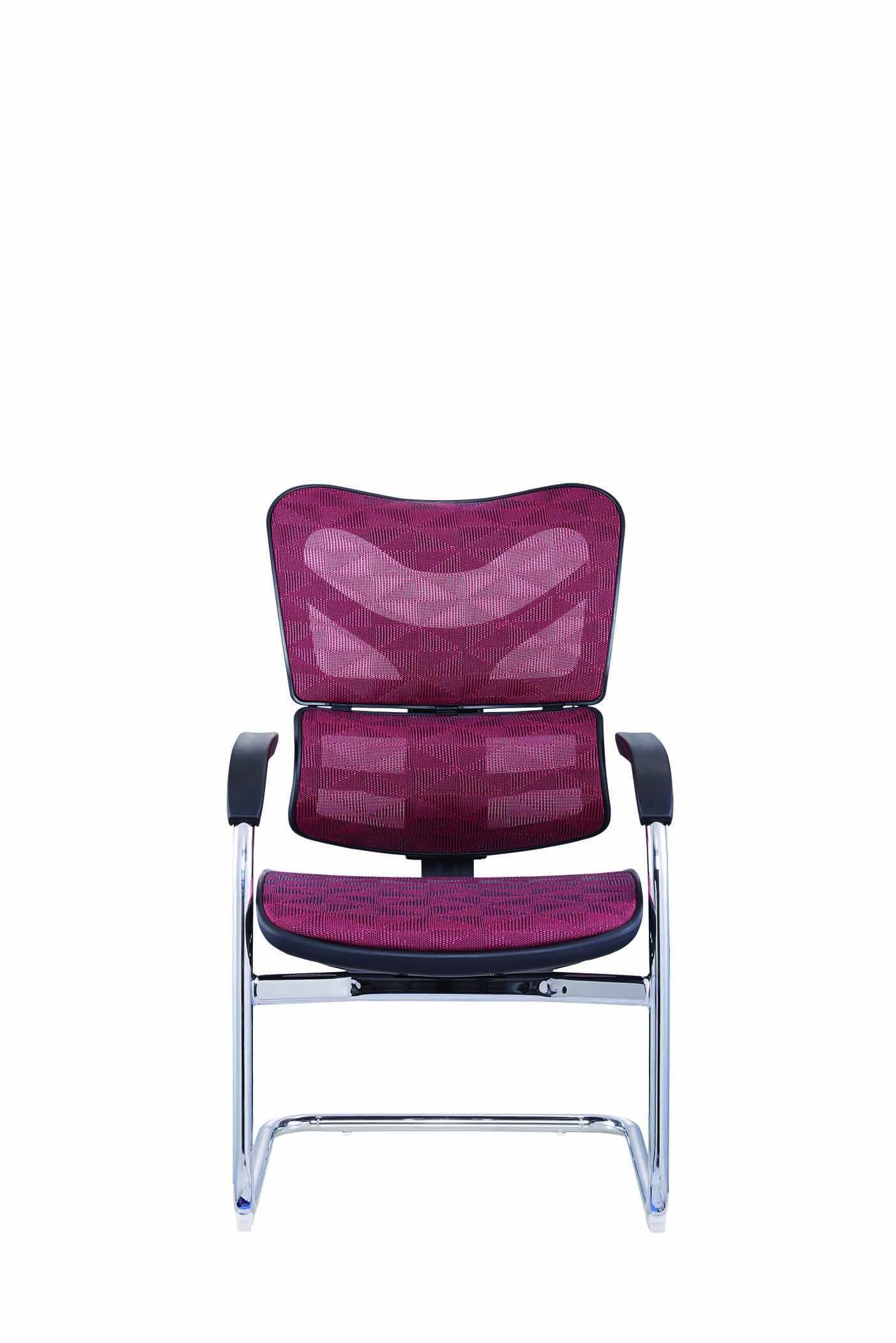
A $90 task chair can feel like a win on the day of purchase, but the math shifts once you factor in how quickly foam compresses and cylinder seals start leaking. Within six to nine months, many budget chairs develop a slight wobble, a flattened seat pan, or an armrest that no longer locks. Each small failure pushes you closer to a replacement, and two $90 chairs bought eighteen months apart already cost more than one well-built chair that would have lasted five years.
There is also a hidden physical cost. Chairs at the bottom of the price range rarely offer the adjustment range needed to keep your knees, hips, and elbows aligned over a full workday. What starts as mild discomfort becomes a reason to shift posture constantly, and that often turns into back and shoulder strain. Once you add physiotherapy visits, massage sessions, or just lost productive hours, the "cheap" chair stops being cheap.
Warranty and parts tell the same story. Many inexpensive chairs ship with a 90-day or one-year warranty and no practical way to buy replacement casters, arm pads, or gas lifts. The moment something breaks outside that narrow window, the whole chair becomes disposable. In contrast, a mid-range chair from a brand that stocks spare parts can be repaired for a fraction of the replacement cost, which is where the real long-term value sits.
Certifications That Matter When Your Shipment Faces Customs
Customs holds rarely come down to one missing document, but the right certification often decides whether a container gets pulled aside or moves through with a quick stamp. C-TPAT in the United States and AEO status in the EU, for example, are not just trade jargon. They signal that a company's supply chain has been audited, its facilities have access controls, and its shipping patterns are reasonably transparent. In practice, that can mean fewer physical inspections and a shorter queue when questions arise.
Product-specific credentials matter just as much once officers open the door. Electronics without the required FCC or CE mark can sit in storage even if the freight paperwork is spotless, because customs needs evidence that the goods are legal for the destination market. Wood packaging marked with ISPM 15 is another quiet problem: a missing heat-treatment stamp has pushed whole pallets into fumigation or rejection. Origin certificates and detailed packing lists rarely feel glamorous, but they give officers a way to verify that the shipment matches its declared value and country of origin.
The real advantage is not collecting every certificate available, but matching the ones you hold to the goods, route, and destination. A forwarder who knows the port can flag gaps before the shipment leaves, which is much cheaper than negotiating after a freeze. Some authorities accept digital copies, while others still expect chamber-stamped originals or data transmitted through a recognized platform. Since requirements shift by country and expire over time, treating certification as a living file rather than a one-time checklist tends to pay off when customs actually looks twice.
How to Vet Ergonomic Claims Without Relying on Marketing Phrases
How to Vet Ergonomic Claims Without Relying on Marketing PhrasesPackaging Details That Keep Stationary Chairs Damage-Free in Transit
Stationary chairs ship with the seat shell, leg frame, and hardware separated instead of as one bulky unit. The seat gets a low-residue foam wrap before sliding into a corrugated sleeve, while the metal legs are bundled with reusable straps so they cannot shift or grind against each other during handling.
Corners and armrest edges sit inside molded pulp inserts that absorb impact without adding much weight. Rather than filling the carton with loose peanuts, the parts rest in die-cut cavities within a double-wall box, which keeps everything from rotating when the package is tipped or stacked in a trailer.
A breathable poly liner sits between the carton and the chair components to guard against condensation, and all bolts, screws, and casters are sealed in a puncture-resistant pouch taped to the inner flap. That keeps small parts from rattling loose and prevents scuffs on finished surfaces.
After-Sales Service Signals Worth Noticing Before You Place an Order
Before you commit to an order, pay attention to how a company handles the unglamorous parts of support. A warranty page that spells out response times, repair windows, and who covers return shipping is a stronger signal than a bold lifetime guarantee with no follow-up details. Vague promises tend to shift the burden onto you once something actually goes wrong.
Try the support channel before buying. Send a short question about a spare part or a compatibility issue and see whether you get a real answer or just an automated ticket number. Also check the return policy for hidden friction: original packaging requirements, narrow filing deadlines, or only using specific carriers. Those small barriers often reveal how much a brand invests in reducing its own service costs.
Customer complaints can be just as telling as the product photos. Look for patterns in reviews that mention repairs stalling for weeks, replacement parts being unavailable, or buyers being asked to upload the same proof several times. A decent after-sales setup is not always flawless, but it gives you a clear next step instead of leaving you to chase vague promises.
FAQ
Look beyond stated production capacity. Reliable suppliers keep consistent frame and mechanism tolerances, can show recent batch testing against BIFMA or EN 1335, and are willing to walk you through their incoming parts inspection rather than just sharing a polished showroom video.
For standard models, try to lock the gas lift class, base finish, castor type, and fabric grade at least eight to twelve weeks before the planned production slot. If you need a custom mould, non-standard armrest, or matched fabric colour, add another three to five weeks so the factory can reserve materials without disrupting the line.
Match certificates to the destination market instead of asking for a generic compliance folder. North American buyers usually need BIFMA X5.1, European buyers often need EN 1335 plus REACH documentation, and Australian buyers may ask for AFRDI approval. Always request a batch-level test report that corresponds to the current production run, not a five-year-old certificate.
For chairs built from standard components, expect roughly 35 to 50 days after deposit and confirmed specifications. Custom upholstery, special lumbar mechanisms, or non-standard mesh can push that to 60 to 75 days. Add shipping and port clearance on top, and plan the purchase back from your in-market date rather than working forward from the factory date.
Ask the exporter to cut open one production sample on video or send a sectional sample. During a third-party inspection with a firm like SGS, BV, or TUV, have the inspector measure base plate thickness, identify the gas lift supplier, and record the certification code on the cylinder. This catches swapped components that photos alone miss.
Common ones include palletising and fumigation requirements, tariff classification differences between task chairs and visitor chairs, inspection-related travel or rework costs, and the container space lost because most stationary chairs do not nest or fold. Unit freight can rise quickly if the carton dimensions are not quoted up front.
Yes, but the negotiation usually moves away from heavy customisation. You may get a lower minimum by using stock fabrics, shared moulds, a neutral base finish, or by combining several models in one container. Expect a modest price increase per unit in exchange for the shorter run, and confirm whether the lower MOQ is per model or per order.
Conclusion
A factory visit often tells you more in the first ten minutes than a supplier’s brochure tells you in ten pages. Watch the floor, not just the showroom. If a plant claims tight quality control but the assembly line has loose screws rolling under workstations, mismatched gas lifts, or a pile of rejected seat bases near the loading dock, that is the real story. Low unit prices can be tempting, but they frequently come from thinner foam, cheaper mesh, or smaller base plates that arrive as warranty claims months later. Before you commit, check whether the certificates they show you are actually tied to the factory you are visiting. A BIFMA or EN 1335 test report from a sister plant or an expired certificate will not help when customs pulls your container for a closer look. Ask for the documentation number, the issuing body, and the factory address on the report; then match it to what you see on site.
Ergonomic language is easy to copy and hard to verify. Rather than asking if a chair is ergonomic, ask for the adjustment range on the lumbar support, the seat depth, the backrest tilt lock positions, and what happens after 40 hours of use in their own fatigue test. A supplier who can only repeat marketing lines usually has not done that testing. Packaging deserves equal attention, because office chairs are heavy, oddly balanced, and easily damaged if the carton is weak or the foam inserts shift. Look for double-wall cartons, reinforced corners, and chairs that arrive with the mechanism locked or secured so the backrest does not slam against the seat during transit. Finally, observe how the exporter handles problems during sampling. Do they blame the freight forwarder, delay answers, or send vague videos? Quick, specific after-sales responses before an order often predict what you will get after the invoice is paid.
Contact Us
Contact Person: Diff Wang
Email: [email protected]
Tel/WhatsApp: +8613650281199
Website: https://www.ofcmeshchair.com/