

Spinning Masterbatch Ranking: Top Picks for Superior Fiber Coloration
2026-07-28
In the competitive world of fiber manufacturing, achieving vibrant and consistent coloration can make or break product quality. That's why staying updated on the latest spinning masterbatch rankings is crucial for industry professionals. From enhanced dispersion to exceptional lightfastness, the top picks redefine what's possible in fiber coloring. Among the standout names, Xinwancai has been gaining attention for its innovative solutions that balance performance and cost. Curious which masterbatches made the list and how they can elevate your production line? Let's dive into the expert-curated ranking and explore the formulations driving superior fiber coloration.
Cracking the Code of Spinning Masterbatch Excellence
Understanding the science behind spinning masterbatch is less about a single breakthrough and more about mastering the interplay of dispersion, compatibility, and process stability. The subtle art lies in selecting carrier resins that seamlessly match the base polymer, ensuring that pigment agglomerates are broken down to primary particles during compounding. High-quality masterbatch demands not just uniform color but also consistent rheology—how the melt flows under pressure and heat. Even minor variations in additive packages can lead to filter blockages, broken filaments, or shade drift. Success comes from rigorously controlling every variable, from pigment particle size distribution to the shear history in the twin-screw extruder.
Spinning processes expose masterbatch to extreme stress—rapid cooling, high draw ratios, and micron-level fiber diameters. Here, the secret is in designing formulations that work with, rather than against, the physics of fiber formation. For example, low-melt-viscosity carriers can improve dispersion but might compromise melt strength, leading to down-time from breaks. Smart development involves iterative testing on actual spinning lines, tweaking additive ratios to balance spinnability with fastness properties. The difference between mediocre and exceptional masterbatch often shows up in the smallest details: a slight adjustment in wax type to reduce migration, or the use of hyperdispersants to prevent re-agglomeration in the melt pool.
Ultimately, cracking the code means building a deep knowledge of the end-use application. Automotive fabrics demand UV stability that doesn't fade after years of sunlight; hygiene nonwovens require pigments that are safe for skin contact and resist leaching. Forward-thinking manufacturers don't just ship a product—they collaborate closely with fiber producers to understand denier, cross-section, and downstream processing like texturizing. This partnership leads to masterbatch solutions that not only color but also enhance functionality, such as adding antistatic or antimicrobial properties without compromising spinnability. It's this holistic approach—combining chemistry, engineering, and end-user insight—that unlocks true masterbatch excellence.
The Color Consistency Champions: Our Top Masterbatch Picks
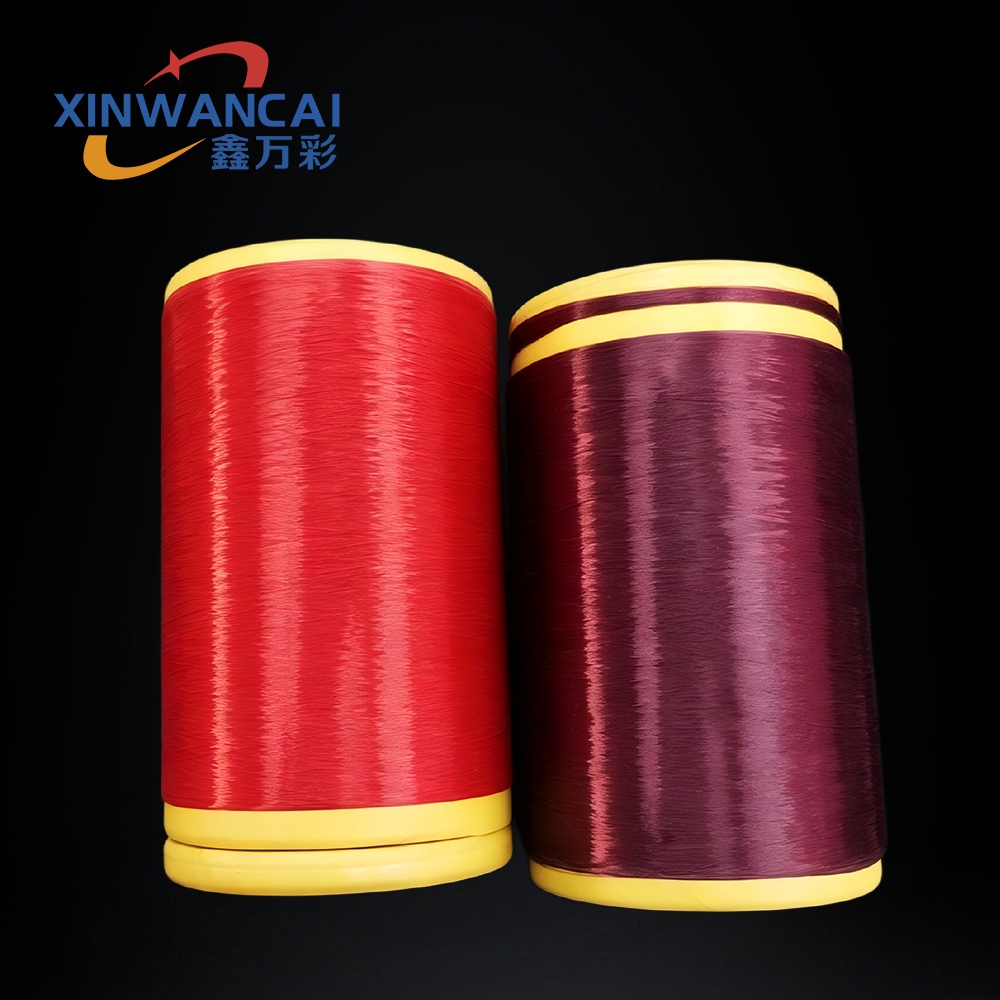
Color consistency isn't just a technical checkmark in plastic manufacturing—it’s the visible heartbeat of brand identity. When we talk about masterbatches that truly deliver uniform hues, we’re referring to formulations that eliminate the subtle drift in shade that can occur across production batches. Our top picks are engineered with tightly controlled pigment dispersion and carrier systems that lock in color accuracy, even during high-speed processing or extended runs. That means a cap produced today matches one produced months ago, without the need for constant adjustments or costly rework.
What sets these particular masterbatches apart is their ability to maintain consistency not just in ideal conditions but across a range of processing temperatures and resin variations. For instance, our polyolefin-based concentrates utilize a specialized wetting agent that prevents pigment agglomeration, a common culprit behind streaking or mottled surfaces. In engineering resins, we’ve fine-tuned the carrier chemistry to withstand higher thermal loads without degrading the color value. This translates to real-world reliability: whether you’re molding thin-walled packaging or extruding durable profiles, the color stays true from first shot to last.
Behind every champion product is a rigorous testing protocol that mimics the unpredictable nature of actual production environments. We subject these masterbatches to accelerated weathering, multiple heat histories, and letdown ratio variances that far exceed typical usage. The result? A portfolio of masterbatches that don’t just promise consistency—they prove it in your process. From automotive interiors that require exact grayscale matches to consumer goods demanding vibrant brand colors, our selections remove the guesswork and let you focus on what matters: products that look as good as they perform.
What Separates a Good Masterbatch from a Great One?
A good masterbatch delivers consistent color and basic dispersion, but a great one transforms the final productâs performance. Itâs not just about pigment loading; the real difference lies in how the masterbatch interacts with the base polymer at a molecular level. A great masterbatch anticipates processing challenges, offering thermal stability that survives extreme conditions without color shift, and flow properties that reduce cycle times without compromising surface finish.
Beyond technical reliability, a great masterbatch carries a deep understanding of the application it serves. Itâs formulated with additives that safeguard against UV degradation, oxidation, or antimicrobial threats, turning a simple colorant into a functional shield. The best manufacturers invest in custom carrier resins and dispersion aids that become one with the host material, eliminating common defects like die lines or delaminationâissues that separate commodity supplies from engineering-grade innovation.
Finally, a true mark of a great masterbatch is the support behind it. From precise lot-to-lot matching to rapid problem-solving during trials, the human expertise that refines formulations for unique equipment and environmental variables makes all the difference. This partnership mindset ensures the masterbatch doesnât just meet a specification; it elevates the entire production process, turning a raw material into a competitive edge.
Fiber Coloration Secrets: What the Rankings Reveal
When you peel back the layers of industry data, a fascinating pattern emerges in how different coloration techniques stack up against one another. Solution dyeing consistently dominates the top tier, not just for its colorfastness but for its dramatically lower water and energy footprint. Meanwhile, traditional piece dyeing slips in the rankings due to its chemical-heavy process, even though it offers unmatched shade flexibility for small runs. The numbers don't lie—sustainability metrics are rewriting what we consider "premium" in fiber coloration.
But raw rankings only tell half the story. Dig deeper and you'll notice that geographical preferences quietly shuffle the order. European mills favor dope dyeing for synthetics, chasing circular economy targets, while Asian producers still lean on yarn dyeing for natural fibers to meet the nuanced demands of fast-changing fashion seasons. It's a quiet tug-of-war between ecological ideals and the hard realities of textile supply chains.
Perhaps the most overlooked secret lies in how these rankings correlate with consumer perception. Digital printing and low-impact dye methods score high on eco-rankings, yet they often get diluted in consumer minds by confusing green labels. The real insight is that the top-ranked methods share a common thread: they minimize post-production treatment, cutting the hidden resource drains that never make it onto a care label. That's the quiet revolution the rankings are trying to shout about.
The Masterbatch Matchmaker: Finding Your Perfect Color Partner
Pairing a polymer with the right masterbatch is a bit like introducing two people at a party—some combinations just click. The resin might have a natural tendency to absorb certain pigments, but push it too far and you’ll see warping, streaking, or uneven dispersion. The trick is understanding the chemistry behind the handshake, so the final part doesn’t just look good on paper; it performs under heat, stress, and UV without fading or failing.
It’s not only about choosing a shade from a swatch book. A true matchmaker digs into processing temperatures, melt flow indexes, and whether the carrier resin will blend seamlessly or create microscopic hotspots. Sometimes the perfect partner is a universal masterbatch that plays well with a few different families, but more often, the long-term relationship demands a custom formulation—one where the pigment’s particle size, thermal stability, and lightfastness are tuned to the base material’s quirks.
When the match is right, the result feels inevitable: a part that holds its colour through years of sun exposure, resists fading from cleaning chemicals, and doesn’t shift shade between production runs. The best matchmakers don’t just hand you a chip and a specification sheet; they run trials, tweak let-down ratios, and stick around until the colour becomes as reliable as the polymer itself.
Beyond the Hype: Real Performance Metrics That Matter
In an industry saturated with flashy benchmarks and theoretical maximums, it’s easy to lose sight of the numbers that actually reflect day-to-day user experience. Synthetic tests might grab headlines, but they rarely tell the whole story. Instead, smart engineering teams are shifting focus to metrics that capture real-world reliability, latency under peak load, and the consistency of service—not just the occasional peak throughput. These indicators often stay hidden behind the scenes, yet they separate platforms that genuinely perform from those that merely look good on paper.
The most revealing metrics are often the simplest: tail latency (like p99 response times), error budget consumption, and the ratio of successful to degraded requests under varying traffic conditions. For instance, tracking the time it takes to serve the slowest 1% of users can expose infrastructure bottlenecks that average figures conveniently mask. Similarly, observing how gracefully a system degrades when a dependency fails—rather than relying on uptime percentages alone—provides a clearer picture of resilience. These aren’t the metrics that marketeers highlight, but they are the ones that on-call engineers obsess over.
Beyond single-service stats, cross-functional indicators like user-perceived latency (time-to-interactive for key workflows) and business-impact metrics (checkout completion rate, stream start time) bring performance into the boardroom. They tie technical behavior to revenue and user satisfaction, breaking the silo between product and infrastructure. Adopting such a mindset means moving beyond the hype of headline speeds and embracing a culture of continuous, context-aware measurement—where what you track is as important as how you optimize.
FAQ
Consistency in pigment dispersion and thermal stability are key. A top-performing masterbatch blends seamlessly with the polymer melt to avoid any streaks or color variations in the finished yarn, even at high spinning speeds.
While universal grades promise flexibility, fiber-specific formulations are engineered to meet the strict drawing and texturing demands of synthetic fibers. They usually offer better spinnability and less filter clogging compared to all-purpose alternatives.
Outdoor fabrics suffer constant UV exposure. Masterbatches with high-grade light stabilizers and selected pigments prevent fading for years, saving manufacturers from costly warranty claims and keeping the end product looking fresh season after season.
Absolutely. Poorly dispersed pigments act as stress points, reducing tenacity and elongation. Premium masterbatches use ultrafine particles and advanced wetting agents to preserve the fiber's original tensile properties, which is crucial for industrial or automotive applications.
Pre-dispersed color masterbatches enable rapid color changes and lower inventory costs. You avoid the mess of handling raw pigments and the long cleaning cycles between shades, which is a game-changer for flexible production runs.
Request a DSC (Differential Scanning Calorimetry) report from your supplier, but also run a pilot trial at your actual processing temperature. Seeing the filter pressure buildup over several hours will reveal more about heat stability than any datasheet claim.
Conclusion
In the competitive world of fiber manufacturing, the right spinning masterbatch can make all the difference between mediocre output and vibrant, consistent coloration. This ranking dives deep into what truly separates top-tier products, cutting through marketing noise to spotlight formulas that deliver real-world performance. Key factors include unmatched color consistency, where our top picks prove their mettle batch after batch, resisting drift even under high-speed spinning and downstream processing stresses. But there’s more to excellence than uniformity—great masterbatches distinguish themselves through superior dispersion, thermal stability, and compatibility with diverse polymer systems. They simplify processing, minimize filter clogging, and ensure every fiber carries the intended shade with depth and clarity.
Beyond glossy brochures, our evaluation focuses on quantifiable metrics: mechanical properties retention, lightfastness, wash fastness, and environmental resistance. The rankings reveal that products excelling in these areas often stem from meticulous carrier resin selection and additive synergies perfected over years of R&D. Finding your ideal color partner means aligning a masterbatch’s profile—whether for polyester, nylon, or polypropylene—with your specific production setup. The data underscores that a masterbatch is not just a colorant but a performance-critical component influencing spin finish, dye uptake, and final fabric hand feel. Ultimately, the top-ranked masterbatches transcend basic tinting to become true enablers of quality, efficiency, and design freedom.
Contact Us
Contact Person: JACK
Email: [email protected]
Tel/WhatsApp: 86 18650130917
Website: https://www.xinwancai.com/