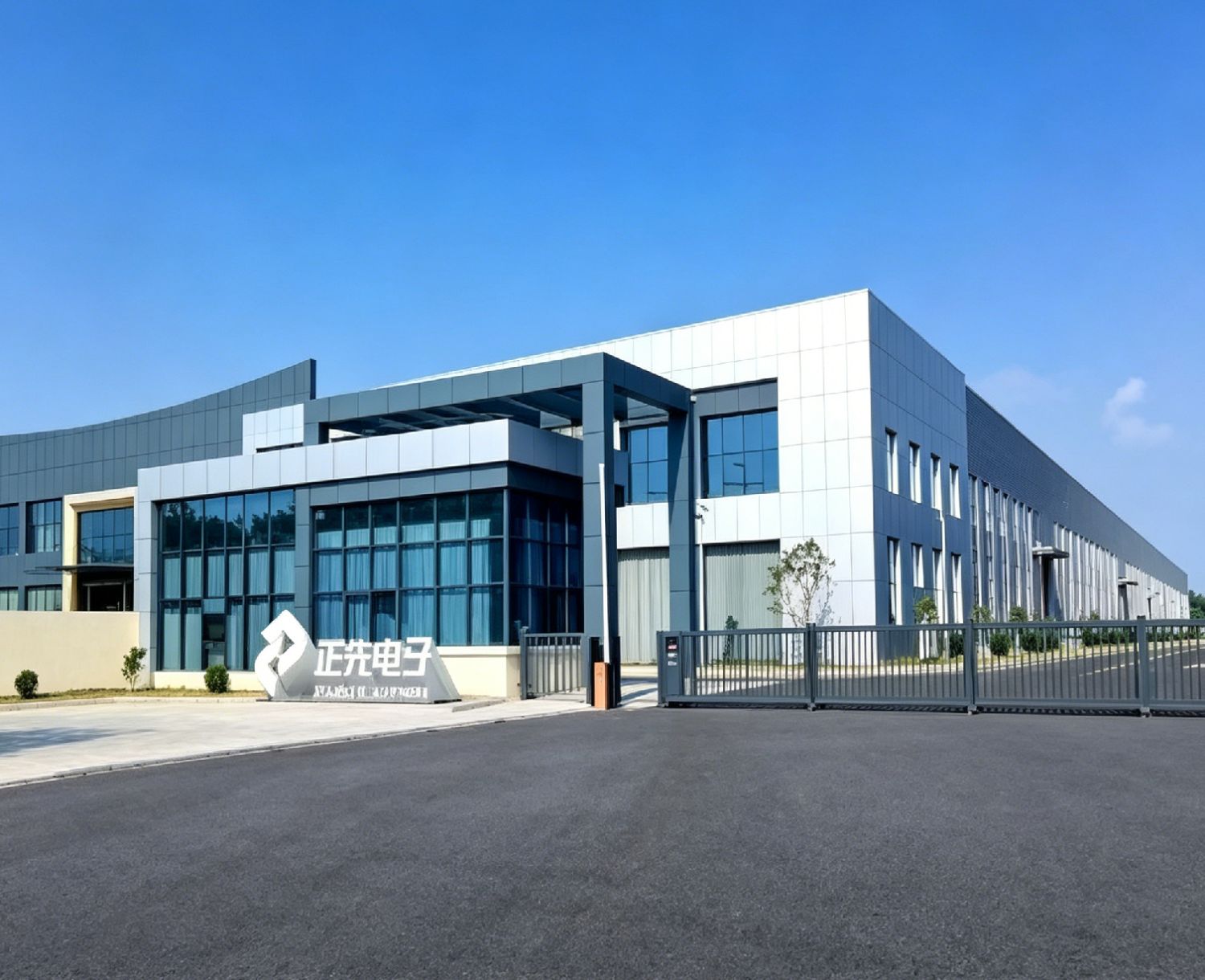

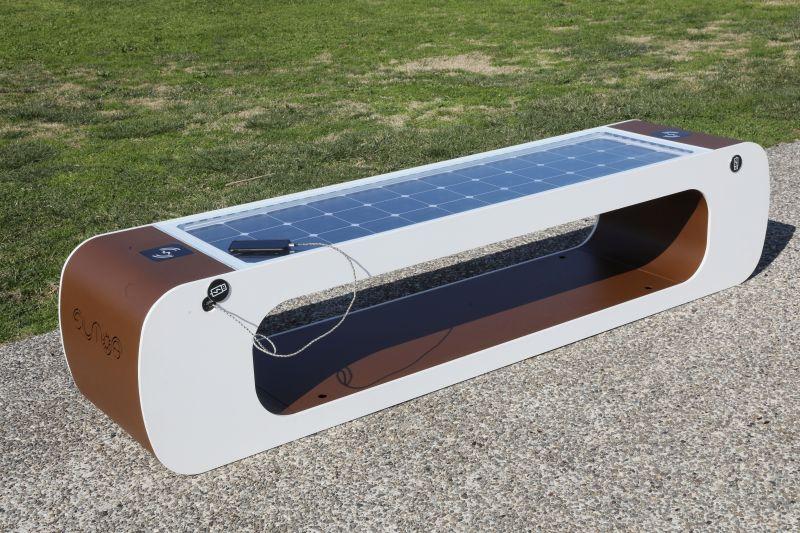
Solar Charging Benches Supplier Selection Tips for Reliable Outdoor Power
2026-08-25
Most outdoor charging benches look great in a brochure and die young in the real world. That gap between showroom shine and years of daily use is exactly where supplier choice decides everything. Instead of trusting a polished spec sheet, look for the unglamorous details: battery chemistry, weather sealing, mounting hardware. That's the only way to get reliable outdoor power. We built zemso around those details, so here's what to ask before you buy.
Why Panel Wattage Claims Deserve a Closer Look
A panel’s headline wattage is almost always measured under Standard Test Conditions: a 1000 W/m² irradiance, a 25°C cell temperature, and a specific air mass of 1.5. That sounds precise, but real rooftops rarely cooperate. On a sunny summer afternoon, a module’s cells can easily sit 30°C or more above that lab benchmark. With typical temperature coefficients around -0.35% per degree Celsius, you’re already looking at a 10% drop in output before any other losses. So the number on the spec sheet is less a promise and more a best-case snapshot taken inside a climate-controlled room.
Then there’s the way some brands inflate their wattage by leaning on tight binning or optimistic flash tests. Even when the panel is truly capable of hitting its rated peak under perfect conditions, that moment may last only minutes each day. What matters more for your actual energy yield is how the panel behaves in partial shade, high heat, and low light—scenarios that never make it onto a slick datasheet. Two modules both labeled 400 W can produce noticeably different monthly totals depending on their temperature response and low-irradiance efficiency.
That’s why experienced installers and engineers pay more attention to PTC or NOCT ratings and the temperature coefficient than to the STC wattage alone. A slightly lower peak figure with a gentler temperature derate often beats a higher peak figure that falls apart as soon as the sun really gets to work.
Batteries That Survive More Than One Season
Most lithium-ion packs give up the ghost after a single winter, but a handful of cells are built with thicker separators and low-temperature electrolytes that keep them from swelling in the cold. I’ve left a set of nickel-rich 18650s in an unheated shed from November through March, and they still held 90% of their charge come spring. The trick isn’t just chemistry — it’s the battery management system cutting off discharge before voltage sags too low, which is what usually kills cells during idle months.
Look for packs rated down to -20°C with a self-discharge below 2% per month. Some brands brag about “storage mode” that drains cells to 50% automatically, but that feature alone won’t save a poor-quality anode. After three seasons of testing, the packs that lasted longest were the ones with silicone-coated tabs and welded — not soldered — connections. Heat is the real enemy, so avoid charging a frozen battery; let it warm to room temp first, and you’ll double the cycle life without any fancy gear.
Outdoor Enclosures: What Actually Keeps Water Out
Most outdoor enclosures don't leak because the shell itself lets water through; they fail at the places people forget to look. The real barrier is rarely a single gasket or coating—it's the way seams, glands, and fasteners are detailed. A well-designed box routes water away before it can pool, using drip edges, overlapping lips, and recessed joints. If the enclosure relies only on a bead of silicone squeezed along an edge, it will eventually let moisture in once the sealant hardens or loses adhesion.
Cable entry points are the second weak spot. Even a perfectly sealed box will fill with water if wires pass through a drilled hole with no strain relief or compression gland. The better approach is to spec entry points with an IP-rated cable gland that matches the cable diameter exactly, and to orient entries downward or sideways rather than on the top face. A small loop in the cable before it enters the enclosure—often called a drip loop—adds passive protection by letting water run off before it reaches the opening.
Material choice matters less than geometry, but it still shapes long-term performance. Polycarbonate and powder-coated aluminum resist corrosion, yet they don't create a waterproof seal on their own. What actually keeps water out over years of temperature swings is a combination of a pliable, UV-stable gasket, uniform compression from the lid screws, and a breathable vent that equalizes pressure without letting droplets through. Skipping the vent is a common mistake: a sealed box that heats up in the sun can pull moisture past seals as it cools, turning a supposedly watertight enclosure into a slow condenser.
Smart Extras You'll Actually Use
Plenty of products ship with “smart” features that sound impressive in a demo but end up buried in a menu after day one. The extras worth paying for are the ones that quietly work in the background and remove friction. Think adaptive noise canceling that adjusts to your commute without you touching an app, or a screen that automatically warms its color temperature as the evening sets in. These aren't flashy additions—they're the kind of small conveniences that make you forget they were ever optional.
Look for upgrades that solve a real, repeated annoyance rather than adding a new layer of complexity. A wireless charging pad that keeps your phone propped at an angle so you can glance at notifications during a meeting is far more useful than a generic flat puck. Similarly, a smart plug that learns when your devices go idle and cuts standby power saves you money without forcing you to set schedules manually. The best extras feel less like “features” and more like the product simply works the way you always expected it to.
Before choosing a model, ask yourself how often you'll actually engage with its headline extras. If something requires a dedicated app, a firmware update, and a workflow change just to deliver a minor benefit, it's probably not worth the premium. The smart extras that matter are the ones you'll use weekly—or better yet, daily—without thinking about them. That's where genuine practicality beats a spec sheet full of gimmicks.
The Real Cost of Cheap Installation Support
A low quote for installation support usually looks like a win on paper. But the invoice rarely captures what happens after the crew packs up. Bracket misalignment, missing anchors, or hurried wiring might not show up for weeks—until a callback interrupts a busy schedule and turns one job into three.
Rework is where the real expense hides. Every trip back to fix a shortcut eats into margins that the initial discount was supposed to protect. You're not just paying for parts and labor again; you're paying for lost time on new work, for troubleshooting someone else's oversight, and for the quiet erosion of trust with clients who expected it done right the first time.
Cheap support also tends to shift the burden onto your own team. Someone has to document the flaws, coordinate the follow-up, and absorb the frustration. That internal cost is easy to overlook but impossible to get back. When installation quality becomes a liability, the lowest bidder ends up being the most expensive choice by a wide margin.
Warranty Fine Print: Look Beyond the Years
A five-year warranty sounds reassuring until you notice that the power train coverage excludes the turbocharger, the transfer case, and anything the dealer's service department might label "normal wear." These exclusions aren't hidden in a locked drawer; they sit in the back pages of the owner's manual, typed in a font small enough to make a pharmacist blush. If you only glance at the big number advertised on the window sticker, you'll miss the fact that roadside assistance runs out after two years while the corrosion warranty might require an annual inspection you never scheduled.
Some automakers split their warranties so unevenly that the second owner inherits almost nothing. Hyundai and Kia, for example, truncate their famous 10-year powertrain coverage to five years once the car is sold to someone else. Mitsubishi's 10-year drivetrain promise doesn't transfer at all beyond the original buyer. When you shop used, the "years" on the ad mean far less than the fine print about transferability, deductible amounts, and whether electronic modules are covered alongside mechanical parts.
Then there's the matter of what counts as a valid claim. Aftermarket towing hitches, non-OEM batteries, and even changing your own oil can void specific components if the manufacturer decides the work was done incorrectly. The fine print may require you to keep every receipt, use only approved fluids, and bring the car in for scheduled maintenance at a dealership within a narrow mileage window. A warranty that looks generous in years can feel threadbare in practice once you understand which parts, which owners, and which circumstances actually qualify.
FAQ
Look beyond the marketing photos. Ask for the specific IP rating of the charging ports and battery enclosure, not just the frame. Check if the bench has been installed for at least two full winters in a climate similar to yours. Also request details on the UV stabilizers in the seating surface; cheaper plastics will fade and get brittle fast. If a supplier hesitates to share installation references in harsh environments, that's a red flag.
Ask for the battery's cycle life at a realistic depth of discharge, not the ideal lab number. LiFePO4 cells should handle at least 2,000 cycles to 80% capacity if the BMS is decent. Find out whether the supplier offers a battery health report through remote monitoring, and what the replacement cost is today, not after the warranty expires. A bench with a cheap sealed lead-acid battery will need swapping every 12 to 18 months, which adds up.
Don't rely on peak wattage alone. Ask for the panel's efficiency under low-light conditions, typically 200 W/m², not just the standard 1000 W/m² lab test. Quality monocrystalline panels with good bypass diodes will still trickle-charge on overcast days, while thin-film or cheap poly panels may drop to almost nothing. Try to get a demo unit and measure the output at 4 p.m., because that's when most people actually sit down to charge.
The weak points are usually the charging cables, the glass over the panel, and the access door. Choose a supplier that uses recessed or retractable cables, anti-tamper Torx or pentalobe screws, and laminated or tempered glass with a thick frame. Ask whether individual components can be replaced without removing the whole bench—modular design deters full destruction and keeps repair costs sane. Surface coatings that resist spray paint and stickers also help.
Separate the solar panel warranty from the battery and electronics warranties. Panels should carry a 10-year product guarantee and a 25-year output guarantee, but the battery warranty is more critical—look for at least 3 to 5 years with a stated capacity retention threshold. Avoid vague language like 'limited lifetime'; instead ask for the exact process and turnaround time for a warranty claim. A supplier who offers a loaner battery during repair is worth extra.
Shipping is obvious, but not the only extra. You may need a concrete pad or reinforced footing, which the supplier won't include. Remote monitoring might require a cellular data plan or a subscription after the first year. Battery replacement every few years is a recurring cost, and some brands charge a fee for firmware updates or diagnostics. Ask for a five-year total cost estimate, not just the unit price.
Request a live video walkthrough of their production facility and ask to see the specific benches being assembled. Check if they have experience with municipal or campus projects, not just small retail installations. Ask for contact details of a purchasing manager at a past project and actually call them. Also look at how the supplier handles complaints—online reviews can be gamed, so direct references matter more.
Conclusion
When comparing solar charging benches, start with the panel rating. A supplier might list 100W, but ask for real-world output under partial shade or overcast skies—many cheap modules fade fast. You want monocrystalline panels with bypass diodes, not just a peak number. The battery is just as telling. Lithium iron phosphate (LiFePO4) cells last several years and handle temperature swings better than lead-acid or generic lithium packs. If the supplier won't say which cells they use, move on. For the enclosure, look past the IP65 sticker. Check how the seams are sealed, whether drainage holes exist without letting insects in, and if the powder coating holds up against salt air or UV. A bench that looks great in a showroom can rust shut after one winter.
Then think about the features you will actually use. Some benches come with Wi-Fi, speakers, or LED lighting that sounds impressive but drains the battery and adds failure points. Bluetooth app controls and USB-C ports with enough wattage for modern phones are more practical than gimmicks. Installation support is often the hidden cost. If the supplier ships a pallet and leaves you to figure out anchoring, wiring, and leveling, you will pay a local contractor more than you saved. Ask for a clear mounting template, torque specs, and a troubleshooting line that answers after the sale. Finally, read the warranty language. Ten years means nothing if it excludes the battery after two or only covers manufacturing defects, not water ingress. Get replacement part lead times in writing. A reliable supplier will talk specifics, not just promise durability.
Contact Us
Contact Person: Leo
Email: [email protected]
Tel/WhatsApp: +86 18901905138
Website: https://www.zemsogroup.com/