
Professional Reverse Osmosis Scale Inhibitor: The Ultimate Guide for Optimal System Performance
2026-06-25
Scaling is the hidden culprit behind countless reverse osmosis headaches—skyrocketing energy bills, declining permeate quality, and unplanned membrane replacements. Yet many operators still treat it as an unavoidable cost of doing business. Not anymore. EVO professional scale inhibitors are redefining what's possible, combining advanced antiscalant chemistry with a systems-thinking approach that does more than just prevent deposits. In this guide, we're pulling back the curtain on how the right inhibitor can turn your RO into a finely tuned profit center. Get ready to rethink everything you thought you knew about scale control.
Understanding How Scale Inhibitors Protect RO Membranes
Scale inhibitors work by interfering with the crystallization of sparingly soluble salts, such as calcium carbonate or barium sulfate, that would otherwise form deposits on the membrane surface. They do this through threshold inhibition, where minute concentrations—often just a few parts per million—can delay nucleation and suppress crystal growth far below stoichiometric levels. Some inhibitors also distort crystal morphology, causing irregular, non-adherent particles that are easily swept away by the feed flow, rather than building up as a dense scale layer.
Additionally, these chemicals provide dispersancy, keeping precipitated particles in suspension and preventing them from aggregating or sticking to the membrane. This dual action—disrupting crystal formation and maintaining particle mobility—ensures that the membrane surface remains clean and unobstructed. Without effective scale inhibition, even thin layers of scale can dramatically reduce permeate flow, increase salt passage, and shorten membrane life, driving up energy use and maintenance costs.
Selecting the Right Inhibitor for Your Water Chemistry
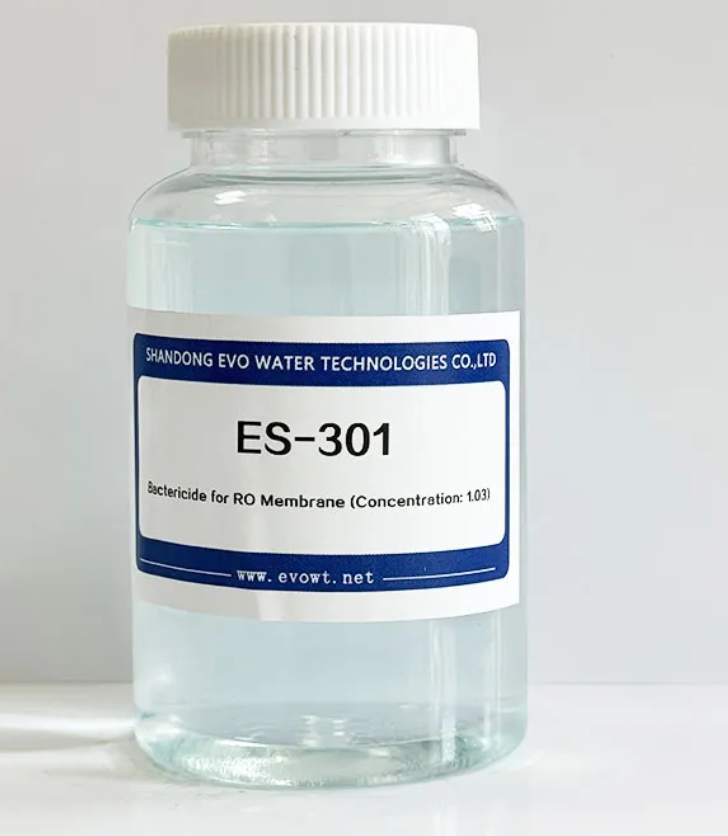
Choosing an inhibitor starts with understanding the unique fingerprint of your water system. All too often, treatments are applied generically—assuming that one product works everywhere. In reality, subtle differences in pH, alkalinity, hardness, and the presence of dissolved oxygen or heavy metals can dramatically shift how a corrosion or scale inhibitor performs. For example, a zinc-based phosphate inhibitor might thrive in a low-hardness cooling tower but cause rapid precipitation and fouling in hard water. Taking the time to rigorously map your water’s chemistry—including seasonal variability—creates the foundation for a truly tailored treatment program.
Beyond basic water quality, operational conditions like system temperature, flow velocity, and metallurgy place further demands on inhibitor selection. A closed-loop heating circuit with copper components requires a completely different approach than an open evaporative condenser with galvanized steel. Even subtle changes in operational load can alter the steel-to-water ratio, shifting corrosion dynamics. The best results come from matching the inhibitor’s functional groups—such as carboxylates, phosphonates, or azoles—to the specific metal and water stresses involved. When in doubt, running bench-scale tests under local conditions can reveal incompatibilities that a simple water report would never show.
Finally, environmental constraints and discharge permits can sharply narrow your options. In many regions, traditional chromate or high-phosphate blends are no longer viable, pushing facilities toward greener, more biodegradable chemistries. Yet sustainable inhibitors must still deliver robust protection—sometimes requiring a blend of low-toxicity organics with trace amounts of a more potent agent to achieve the desired film-formation on metal surfaces. The right choice balances protection, cost, and compliance without over-engineering the solution. In the end, the most effective inhibitor is one that not only fits today’s water profile but can flex with inevitable system changes over time.
Proven Application Strategies for Maximum Dose Efficiency
Getting the most out of every application starts with understanding both the product and the target. Rather than relying on blanket coverage, effective dosing hinges on matching the rate to the actual need at a given growth stage or stress point. This means calibrating equipment carefully and adjusting output based on real-time conditions—wind speed, humidity, or canopy density can all shift within hours, and a rigid schedule often leads to waste. By staying observant and responsive, you avoid the trap of over-application that drains budgets without adding value.
Adjuvants and water conditioners are often overlooked levers for boosting dose efficiency. Hard water can lock up active ingredients before they ever reach the intended surface, while the wrong surfactant might cause runoff instead of retention. A small upfront investment in the right tank-mix partner—matched to the specific chemistry and leaf surface—can extend the activity window and reduce the total amount needed. It’s not about adding more product; it’s about making the product you already use work harder and last longer in the field.
Timing applications to coincide with biological uptake windows dramatically lifts efficiency. Many compounds are most effective during specific metabolic phases or environmental sweet spots—such as early morning when stomata are open but evaporation is low. Tracking degree days, past weather patterns, and even plant respiration signals can point to those high-absorption moments. Pairing that awareness with spot-treatment technologies, like optical sensors or variable-rate mapping, further shrinks the gap between the target dose and the actual dose that reaches the site of action, delivering results with fewer passes and less material.
Troubleshooting Common Scaling Issues in RO Systems
Scaling in reverse osmosis systems usually starts subtly—a gradual drop in permeate flow, maybe a slight increase in differential pressure across the stages. The first step is to confirm it's actually scaling and not fouling from other sources. Pull a membrane element and inspect it for white or off-white crystalline deposits, often concentrated on the tail end of the last stage. These deposits typically fizz when a drop of acid is applied, indicating carbonate scaling. Sulfate scales, on the other hand, won't react to acid and feel gritty. Knowing exactly what you’re dealing with saves time and prevents guesswork.
Once scaling is confirmed, dig into the operational data. A common culprit is recovery rate creep—pushing the system beyond its design limits without adjusting the antiscalant dose. Check the feed water conductivity and temperature logs; higher temperatures accelerate scale formation, and higher conductivity means more scaling ions. If the system uses a softener, verify it's regenerating properly. A quick hardness test on the softener effluent can reveal breakthrough. Also, look at the antiscalant injection pump: is it dosing consistently? A clogged injection quill or a worn pump diaphragm will underdose, leaving membranes vulnerable.
Fixing the issue means both immediate cleaning and adjusting the root cause. For carbonate scaling, a low-pH citric acid clean usually works; for sulfate or silica scales, you’ll need a high-pH EDTA-based cleaner or specialized silica cleaner, often with extended soak times. After cleaning, reassess the pretreatment or operating conditions. Maybe you lower the recovery, increase antiscalant dosage, or switch to a more effective antiscalant for the water chemistry. If the source water changed seasonally, consider a proactive adjustment plan. The goal is to make scaling a rare event, not a recurring headache.
The Economic and Operational Benefits of Proper Scale Control
Scale buildup might seem like a minor nuisance, but it quietly drains efficiency and inflates operating costs across industrial and commercial systems. When mineral deposits coat heat exchangers, boilers, or cooling towers, they act as a stubborn insulator, forcing equipment to work harder and consume more energy to maintain required temperatures. This inefficiency can easily translate into double-digit percentage increases in fuel or electricity usage, chewing into margins that are already under pressure. Beyond energy waste, unchecked scale accelerates corrosion under deposits, leading to premature equipment failure and unplanned downtime—a costly disruption that no facility manager wants to face. Proper scale control, whether through chemical treatment, filtration, or innovative non-chemical technologies, directly tackles these hidden costs, preserving asset integrity and keeping operational budgets on track.
The financial case for scale prevention becomes even clearer when you factor in maintenance and labor savings. Scaling forces more frequent cleanings, often involving aggressive chemical descaling or mechanical reaming, which not only require labor hours but also subject equipment to physical stress that shortens its lifespan. Each cleaning cycle can mean partial disassembly, production halts, and the risk of damage to seals and joints. By maintaining a clean system, you extend intervals between major overhauls and significantly reduce the volume—and disposal costs—of harsh cleaning chemicals. In water-intensive industries like hospitality, food processing, and manufacturing, this also aligns with sustainability goals by cutting water and chemical usage while lowering the total cost of ownership for critical assets.
Operationally, consistent scale management delivers stability and predictability. Heat transfer stays at design specifications, so product quality remains uniform, and process timelines don't drift due to gradually declining performance. In settings like hospitals or data centers, where precise temperature control is non-negotiable, scale-free systems guard against unexpected hot spots or chilling failures that could compromise sensitive environments. Ultimately, investing in proper scale control isn't just about avoiding repairs—it's about safeguarding throughput, reliability, and the competitive edge that comes from running a lean, uninterrupted operation.
Future-Ready Formulations: Eco-Friendly and High-Performance Options
Today’s formulators are steering away from harsh chemicals without sacrificing the reliability that consumers and industries expect. The trick lies in harnessing nature‑derived surfactants, biodegradable stabilizers, and enzyme‑powered action that rivals synthetic benchmarks. Whether it’s a household cleaner or a skincare serum, the latest blends deliver streak‑free shine or deep hydration using ingredients that break down safely after use.
Performance hasn’t been dialed back either—these options tackle stubborn grime, resist water wash‑off, and maintain long shelf lives without resorting to problematic preservatives. Instead, they lean on smarter encapsulation and mineral‑based boosters that activate only when needed. This isn’t just about ticking a green box; it’s about giving people powerful tools that work beautifully while treading lightly on the planet.
FAQ
A reverse osmosis scale inhibitor is a specialized chemical formulation designed to prevent mineral scale formation on membrane surfaces. When water containing dissolved salts like calcium carbonate or silica passes through an RO membrane under pressure, these minerals can precipitate and form a hard, adherent layer that clogs the membrane pores and reduces permeate flow. Without an effective inhibitor, your system would face rapid performance decline, higher energy consumption, frequent membrane replacements, and ultimately, operational shutdown. It essentially keeps the minerals dispersed and modifies crystal growth so they don't stick to critical surfaces.
Scale inhibitors operate through multiple mechanisms. They interfere with crystal nucleation by binding to nascent mineral particles, preventing them from reaching critical size. They also adsorb onto growing crystal faces, distorting the lattice structure and making it harder for additional ions to attach. Many modern inhibitors use threshold inhibition, where a tiny concentration—often just parts per million—can hold a large amount of scaling ions in a metastable state. Some also have dispersancy properties, keeping precipitated particles suspended so they're flushed away during normal concentrate flow rather than settling on the membrane.
The main categories are phosphonates, polyacrylic acids, and specialty blends. Phosphonates like HEDP are excellent for calcium carbonate and sulfate scales at low dosages and offer good thermal stability. Polyacrylic acids and their derivatives excel in high-hardness waters and provide superior dispersancy for metal oxides and silt. Proprietary blends often include multiple active components and antiscalant boosters tailored to specific feed waters—for instance, silica-specific inhibitors that prevent polymerization, or pH-independent formulations that work across a wider range. The choice depends on your feed water analysis, recovery rate target, and membrane material; a high-silica brackish water demands a different product than a seawater system heavy in calcium sulfate.
Dosage isn't one-size-fits-all. It starts with a thorough feed water analysis measuring key scaling ions like calcium, magnesium, bicarbonate, sulfate, and silica. Software modeling tools from inhibitor suppliers simulate the scaling potential at your design recovery rate and suggest an optimal dose. Typically, you'll see recommendations ranging from 1 to 10 mg/L based on the saturation indices. But actual dosing should also account for seasonal water quality variations, temperature effects on solubility, and any upstream chemical additions. It's critical to verify with periodic LSI or SDSI checks and, if possible, install a real-time performance monitor that tracks specific flux and salt rejection to catch under-dosing before scaling occurs.
Professional-grade inhibitors offer reliable documentation, consistent quality control, and often include technical support from the manufacturer. They're developed with membrane compatibility in mind, avoiding compounds that could degrade polyamide layers or support biological growth. You’ll also find enhanced functionality—like multifunctional formulations that handle several scale types simultaneously, or tagged polymers that enable precise residual monitoring. Generic products might claim similar active ingredients, but variations in molecular weight, purity, or inactive carriers can drastically affect performance. A professional product comes with case-specific guidance, application experience, and often a guarantee backed by extensive field testing.
No, scale inhibitors don't have biocidal or organic removal properties. They're specifically tailored to inorganic mineral scales. Biological fouling from bacteria and algae requires a separate biocide program, while organic fouling from humic acids or oils needs pretreatment like activated carbon or specialized membrane cleaners. However, some inhibitor formulations incorporate a small amount of dispersant that helps manage colloidal materials. But relying on them for anything beyond mineral scale control will leave your membranes vulnerable. A comprehensive RO maintenance strategy layers scale inhibition, disinfection, and periodic chemical cleaning to cover all fouling vectors.
The inhibitor must be injected continuously into the feed stream upstream of the cartridge filters, ideally at a point with turbulent flow to ensure rapid mixing. Use a reliable chemical dosing pump calibrated to your system's flow rate, and never batch-dose—concentration spikes can cause localized damage or ineffective protection. Install a static mixer if pipe lengths are short. Monitor the injection point regularly for clogs or line breaks. It's also critical that the inhibitor is added before any pH adjustment: if you're acidifying the feed, add acid downstream of the inhibitor to prevent premature degradation or reaction. Periodic sampling at the membrane inlet verifies that the residual concentration matches your target.
Implement routine data logging of differential pressure, normalized permeate flow, and salt passage. A gradual increase in DP or decline in flow often signals under-dosing or a change in feed chemistry. Clean the membranes before scale becomes heavily entrenched—waiting too long makes chemical cleaning much less effective. Regularly calibrate dosing pumps and check inhibitor expiration. Store chemicals in a cool, dry place away from direct sunlight, as heat or UV can degrade active components. Finally, partner with your inhibitor supplier for annual system audits; they can re-evaluate your water analysis and adjust the program, ensuring you're not over- or under-dosing as conditions evolve.
Conclusion
A professional reverse osmosis scale inhibitor does far more than simply prevent mineral buildup—it actively preserves membrane integrity and extends system life. The chemistry behind these inhibitors targets the early stages of crystal formation, distorting the lattice structure of common scales like calcium carbonate, barium sulfate, and silica so they remain dispersed in the concentrate stream rather than adhering to the membrane surface. Understanding your specific feed water composition is non-negotiable when selecting an inhibitor, because the ionic profile, pH, and temperature shifts during operation dictate which antiscalant backbone—whether a phosphonate, polyacrylate, or hybrid—will deliver reliable threshold inhibition and crystal modification. Equally important is optimizing the injection point and dosage; static dosing often leads to over- or under-feed, whereas dynamic, flow-paced metering combined with regular monitoring of SDI and LSI ensures the inhibitor works at peak efficiency without waste. Even the best chemical program can encounter hiccups, so troubleshooting skills are vital: recognizing subtle pressure differentials, permeate conductivity drift, or autopsy findings like scale orientation helps operators distinguish between scaling, fouling, and biological issues, guiding corrective actions from cleaning protocols to inhibitor adjustment.
Beyond day-to-day operations, the economic case for precise scale control rests on fewer cleanings, reduced energy consumption, and longer membrane lifetimes, which together trim total cost of ownership significantly. A system that runs with minimal deposition also maintains stable permeate quality and lowers the frequency of unplanned downtime, freeing resources for other priorities. Looking ahead, the next generation of scale inhibitors is moving toward biodegradable, phosphorus-free formulas that match performance while meeting tightening environmental regulations. These future-ready solutions incorporate green chemistry principles without sacrificing the high-performance demands of modern, high-recovery RO systems. By integrating careful inhibitor selection, smart dosing strategies, and an eye on sustainability, operators can achieve robust scale protection that balances technical effectiveness with operational and environmental stewardship.
Contact Us
Contact Person: Fiona Su
Email: [email protected]
Tel/WhatsApp: 8619963724144
Website: https://www.evo-chemical.com/