
PP Woven Bag Manufacturer: Key Factors for Quality and Durability in Bulk Packaging
2026-08-01
In the world of bulk packaging, not all PP woven bags are created equal. The difference between a sack that tears mid-transport and one that withstands the toughest conditions often comes down to the manufacturer's mastery of material science and production precision. At CHALLENGE WOLVES, we've spent years decoding the essential factors that separate high-performance woven bags from the rest. Whether you're shipping grains, chemicals, or construction materials, the durability and reliability of your packaging can make or break your supply chain. So, what exactly should you look for in a quality woven bag? Let's dive into the key elements that ensure your bulk packaging performs as hard as you do.
Material Purity: How Raw PP Resin Impacts Long-Term Strength
The backbone of any durable polypropylene product lies in the cleanliness of its starting material. Impurities like catalyst residues, unpolymerized monomers, or cross-contamination from other polymers create weak points within the molecular chain. Over time, these imperfections don’t just sit idle—they become initiation sites for oxidative degradation, especially under heat or UV exposure. A resin with narrow molecular weight distribution and minimal foreign particles builds a more uniform crystalline structure, directly slowing crack propagation and preserving tensile integrity years into service.
Manufacturers often overlook how trace metals in lower-grade PP can act as pro-degradants. Even small concentrations of iron or aluminum left from Ziegler-Natta catalysts accelerate chain scission through redox reactions. This effect compounds in applications involving sustained load or cyclic stress, where micro-cracks gradually expand from these contaminated zones. High-purity grades, typically produced with advanced metallocene catalysis, avoid such catalytic residues altogether. The result isn’t just a material that meets initial specs—it’s one that resists embrittlement far longer, maintaining critical mechanical properties like flexural modulus and impact resistance.
Field evidence shows that the purity variable often outweighs additive packages in determining lifespan. A seemingly well-stabilized but impure PP compound can still fail prematurely because the stabilizers get consumed defending against innate defects rather than external stresses. By starting with a resin that has minimized unsaturation sites and low oligomer content, the polymer’s inherent oxidation induction time jumps dramatically. This shifts the failure mode from chemical decay back to physical wear, giving engineers a predictable, slower degradation curve that doesn’t surprise you ten years down the line.
Weave Density and Its Direct Link to Tear Resistance
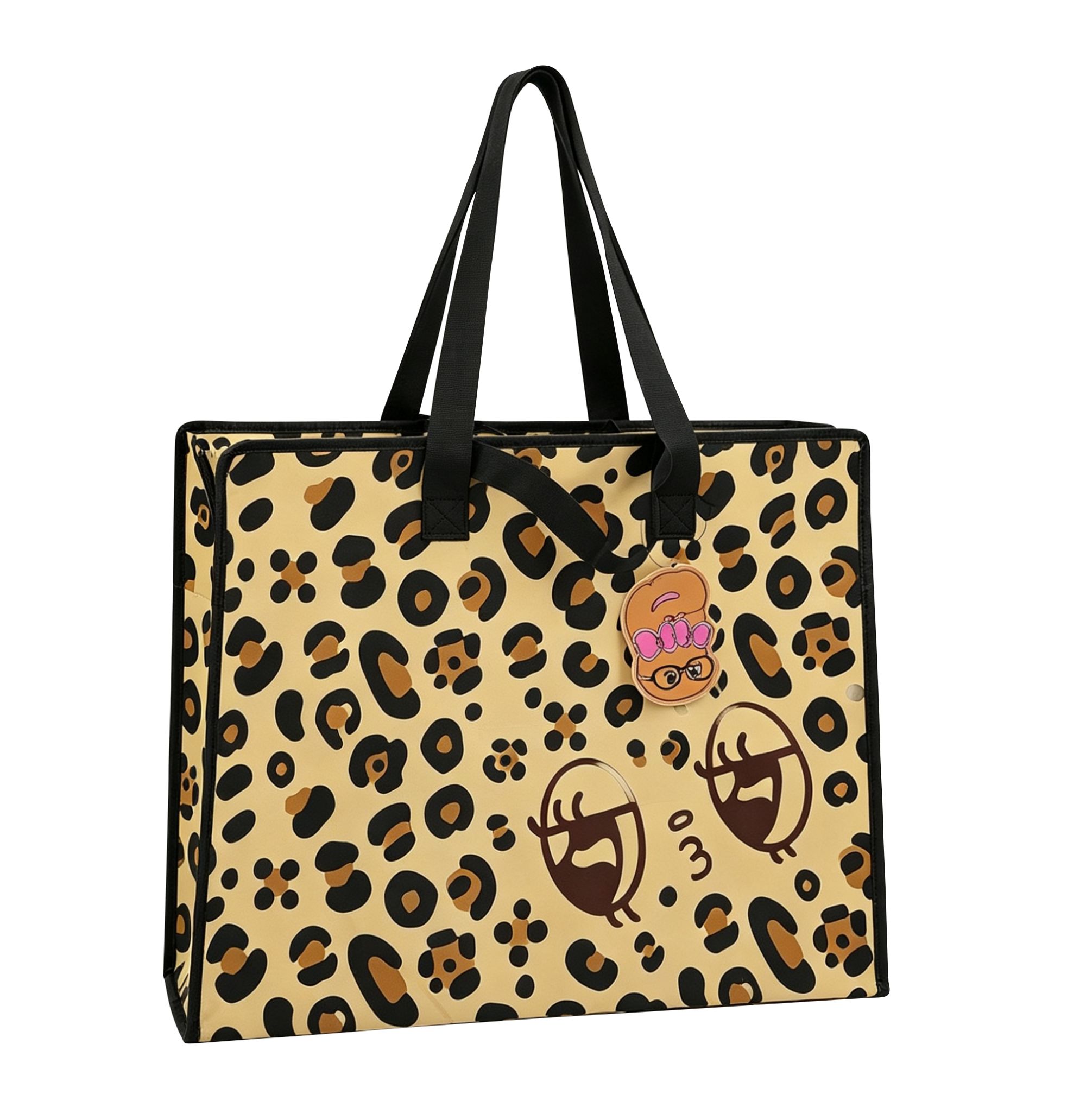
Weave density refers to the number of threads per unit length in a fabric, usually measured as ends per inch (EPI) and picks per inch (PPI). A higher weave density means the yarns are packed more tightly together, which directly influences how the material resists tearing. When a tearing force is applied, the stress concentrates on a small number of yarns at the point of tear; in a dense weave, these yarns are supported by their neighbors more effectively, distributing the load and making it harder for the tear to propagate.
Beyond simple load distribution, the tightness of the weave restricts yarn mobility. In loosely woven fabrics, yarns can slide and bunch up easily, creating a weak point where a tear can start. Dense weaves lock yarns in place, forcing the tear to break individual fibers rather than slipping through gaps. This mechanism explains why high-density fabrics like ballistic nylon significantly outperform open-weave fabrics in tear strength tests, even when made from the same fiber type.
The link is not always linear, though. Excessive density can lead to fiber damage during weaving, reducing inherent strength. Optimal weave density balances tightness with fiber integrity, making it a critical parameter in designing durable textiles for applications ranging from outdoor gear to protective clothing.
Reinforced Seams: The Make-or-Break Detail in Heavy Loads
When you stuff a duffel to the brim or overload a backpack for a weeklong trek, the first thing to surrender isn't the fabric—it's the seams. Standard stitching simply can't handle the stress that builds at connection points when heavy loads shift and pull. That's where reinforced seams step in, doubling down with extra rows of heavy-duty thread or bar-tack stitches at critical junctions. These aren't cosmetic upgrades; they structurally redistribute tension so the entire bag holds together under strain.
Think about where a bag typically fails: the shoulder strap anchors, the handle attachments, the bottom panel corners. A well-reinforced seam at these points absorbs shock from sudden drops or awkward lifts without popping a thread. Manufacturers often use box stitches or zigzag patterns here because they spread force over a larger area, unlike a simple straight stitch that can unzip under a concentrated load. It's the difference between a bag that survives a year of rough travel and one that blows out on the first airport conveyor belt.
If you're evaluating gear meant to carry serious weight, flip the bag inside out or feel along the load-bearing seams. Look for dense, overlapping stitches—sometimes even a secondary layer of fabric folded into the seam for extra bite. That reinforcement is a quiet promise that the bag won't let go when you're hauling tools, camping gear, or a portable office across town. Skip it, and you might find yourself holding a strap with nothing attached.
Custom Coatings That Shield Against Moisture and UV Exposure
When coatings are built to resist moisture and UV damage, they do more than just sit on a surface—they actively protect what’s underneath. Think of them as an invisible force field, constantly pushing back against the elements. Unlike standard finishes that might break down after a few harsh seasons, these specialized barriers are engineered at the molecular level to repel water and scatter ultraviolet light. This dual-action defense keeps corrosion, fading, and material breakdown from ever getting a foothold.
What really sets these coatings apart is how they’re applied and how they cure. They bond tightly to substrates like metal, wood, or composites, creating a seamless, flexible skin that moves with the material as temperatures swing. That flexibility is key—no cracking, no peeling, even when expansion and contraction try to tear other finishes apart. Plus, advanced UV absorbers and hindered amine light stabilizers work together to neutralize free radicals before they can cause chain reactions that lead to chalking and brittleness.
You’ll find this level of protection on everything from offshore rigs and bridge cables to high-end outdoor furniture and architectural panels. It’s not just about extending life; it’s about maintaining appearance and performance without constant upkeep. The best part? The technology doesn’t sacrifice clarity or gloss. Transparent versions stay crystal clear, letting the underlying material’s natural beauty show through, year after year.
Smart Customization: Beyond Standard Dimensions and Prints
We often hear about made-to-measure, but true customization goes deeper than simple size adjustments. It’s about rethinking a piece entirely—how it lives in your space, the way light hits its surface, the tactile experience every day. Our process encourages you to break free from catalogue constraints, whether that means tweaking the arm height on a sofa to fit a low windowsill or requesting a dining table that expands asymmetrically to embrace architectural quirks. You’re not just filling a room; you’re shaping how it feels.
Prints and patterns offer another layer of individuality, yet the real magic happens when you move beyond the swatch book. We collaborate with textile artists and small-batch studios to develop exclusive weaves and dyes that tell a story. Imagine a chair upholstered in fabric whose tones shift subtly from dawn to dusk, or a rug where the pattern emerges only from certain viewpoints. These aren’t mass-produced designs with a different colorway—they’re responsive elements that add quiet drama and personal narrative to everyday life.
Ultimately, smart customization means crafting pieces that adapt to your evolving needs, not just your current taste. Modular systems allow you to reconfigure seating as your household grows, while select finishes are designed to age gracefully, revealing richer character over time. It’s an intentional departure from disposable trends—a slower, more considered way of bringing lasting beauty into the home, one bespoke detail at a time.
From Lab Tests to Real-World Trials: Proving Bulk Worthiness
Laboratory environments provide controlled conditions ideal for isolating variables and understanding fundamental behaviors. Yet, these settings often fail to capture the chaotic interplay of factors found in everyday use. Shifting from lab benches to actual field applications exposes products to unpredictable stress points, environmental fluctuations, and usage patterns that no simulation can fully replicate. This transition isn't just a box-checking exercise—it's where assumptions are stress-tested against the messiness of reality.
Proving bulk worthiness goes beyond passing a handful of standardized tests. It demands sustained performance across large sample sizes, where small inconsistencies become magnified. Real-world trials reveal how materials age together, how components interact over time, and whether quality holds up when production scales. Success in these unscripted scenarios builds the confidence that a product isn't merely a lab champion, but a reliable workhorse ready for the demands of mass deployment.
FAQ
PP woven bags are made from polypropylene strips woven together to form a strong, fabric-like material. Their cross-woven structure gives them impressive tear resistance and load-bearing capacity, which is why they're a top pick for industries that need to move or store large quantities of materials like grains, chemicals, or construction rubble. They don’t stretch much under tension, so they hold their shape even when filled to the brim.
Look for a manufacturer that controls the whole process in-house—from extrusion to printing. Check if they use virgin polypropylene instead of recycled blends, unless you specifically request recycled content. Quality manufacturers will have tight control over denier and weave density, and they’ll willingly provide test reports for tensile strength and UV resistance. Also, pay attention to how they handle stitching: reinforced bottom gussets and neat, folded hems are signs of attention to detail.
Weave density is a big one—tighter weaves mean less chance of punctures. Then there’s lamination: a moisture-resistant liner adds tear strength and keeps contents dry. UV stabilization is essential if bags sit outdoors; without it, sunlight can degrade the material within weeks. Finally, the quality of sewing thread and stitch pattern at the seams often determines whether a bag fails early or survives rough handling.
A plain woven bag breathes, so it’s fine for things like sand or potatoes, but it won’t stop moisture. Adding a light lamination or an internal liner creates a dust-proof and water-resistant barrier, which is critical for fine powders or hygroscopic products. For really harsh conditions, some manufacturers offer a cross-laminated film that fuses extra layers for superior puncture resistance while still keeping the bag flexible.
Serious manufacturers test everything from the weight and burst strength of the fabric to the slip resistance of the laminated surface. They’ll do stretch tests to see how much elongation occurs under load, check for pinholes in the liner, and visually inspect prints for clarity and registration. Drop tests on filled bags and seam strength tests on random samples are also common practices to catch any production flaws.
Absolutely. You can adjust size, color, and print design easily through flexographic or rotogravure printing without weakening the weave. Adding features like document pockets, transparent windows, or anti-skid patches can be done by sewing them on securely. The key is that the customizations shouldn't interfere with the primary seams or reduce the overall fabric strength—a good manufacturer will reinforce stress points when altering designs.
GSM (grams per square meter) directly correlates with thickness and strength. A 70 GSM bag might hold 25 kg safely, but for 50 kg loads of sharp-edged materials you’d want 100–120 GSM or higher. Denier refers to the thread weight: a higher denier yarn creates a coarser, stronger weave. Together they determine how much the bag can handle before tearing, and doubling the right combination can noticeably extend reusability in tough conditions.
One frequent misstep is focusing only on price per bag and ignoring hidden costs like poor seam failure rates or premature UV degradation. Others overlook the importance of specifying the exact fill weight and product characteristics, which leads to bags that are either over-engineered (too expensive) or under-specified (too weak). Always provide the manufacturer with detailed usage conditions—temperature, stacking height, transportation mode—and ask for a pre-production sample to test in real scenarios before committing to a large run.
Conclusion
Choosing a PP woven bag manufacturer isn't just about price—it's about understanding how material and construction choices ripple into long-term reliability. The heart of any durable bulk bag lies in the purity of raw polypropylene resin. When virgin PP is used, the molecular chains stay intact, which means the fabric resists brittleness and retains tensile strength even after years of stacking and weather exposure. But the resin alone isn't enough; the weave density must be dialed in with purpose. A tight, consistent weave isn't an aesthetic choice—it's a direct defense against tear propagation. If a snag occurs, a dense weave keeps damage local, rather than letting it zip across the bag's body. Manufacturers who overlook this often deliver sacks that fail abruptly under dynamic loads, costing far more in spilled product than the so-called savings.
Beyond the base fabric, the details separate a workhorse sack from a short-lived substitute. Reinforced seams are where most failures begin, especially when bags exceed 50 kg. Cross-stitched or folded hems with high-tenacity thread prevent the seam from pulling apart under stress. Equally critical is the environment the bag will face: custom coatings like a UV-stabilized film or a moisture-barrier lamination can mean the difference between a bag that crumbles after three months in the sun and one that holds up for seasons. Smart customization then turns a standard sack into a logistical asset—think breathable strips for fine powders, document pouches, or even color-coding to slash handling errors on crowded docks. Ultimately, the proof is in real-world trials. A trustworthy manufacturer doesn't just hand over a lab spec sheet; they simulate actual stacking, drop, and vibration tests that mirror the rough journey from warehouse to end user, ensuring the bag isn't just theoretically strong, but battle-ready.
Contact Us
Contact Person: Tony
Email: [email protected]
Tel/WhatsApp: +8615859766913
Website: https://www.cw-pak.com