

PCB Assembly Supplier Selection: Key Factors for Quality and Reliability
2026-07-13
Selecting a PCB assembly supplier isn’t just about ticking boxes—it’s about building a partnership that can make or break your product’s performance. When every solder joint matters and deadlines loom large, the right choice becomes critical. At TPS, we’ve seen how the blend of technical expertise, rigorous quality control, and transparent communication separates reliable manufacturers from the rest. This guide dives into the key factors you need to weigh, from certifications and testing protocols to scalability and supply chain resilience, so you can avoid costly missteps and ensure your assemblies meet the highest standards.
Assessing Manufacturing Capabilities and Technical Expertise
Understanding a partner's manufacturing capabilities begins with a deep dive into their production infrastructure. It's not just about the square footage or the number of machines; it's about how those assets are leveraged to solve complex challenges. A truly capable manufacturer invests in adaptive processes that allow for both high-volume efficiency and low-volume customization, often demonstrated through their track record with diverse materials and intricate designs. The presence of automated quality checks embedded throughout the production line, rather than tacked on at the end, speaks volumes about a commitment to consistency without sacrificing flexibility.
Technical expertise often reveals itself in the subtle details of how a team approaches problem-solving. When evaluating potential collaborators, look beyond certifications and ask about the anomalies they've encountered and how they've dissected root causes. A team that enthusiastically discusses their failures alongside their successes, and can articulate the engineering principles behind their decisions, is one that possesses genuine mastery. This depth typically extends into their material science knowledge and their ability to predict how different inputs will behave under stress, heat, or over time—insights that can't be captured in a standard capabilities presentation.
The synergy between engineering talent and shop floor execution ultimately defines a manufacturer's technical competence. It's one thing to have brilliant designers, but quite another to seamlessly translate their vision into repeatable output. Observing how design reviews incorporate real-time production feedback, or how tooling adjustments are handled without disrupting cadence, provides a window into operational maturity. This collaborative rhythm, often refined over years of iterative projects, is the bedrock of dependable manufacturing—it's what turns a qualified supplier into a long-term innovation partner.
Evaluating Quality Management Systems and Certifications
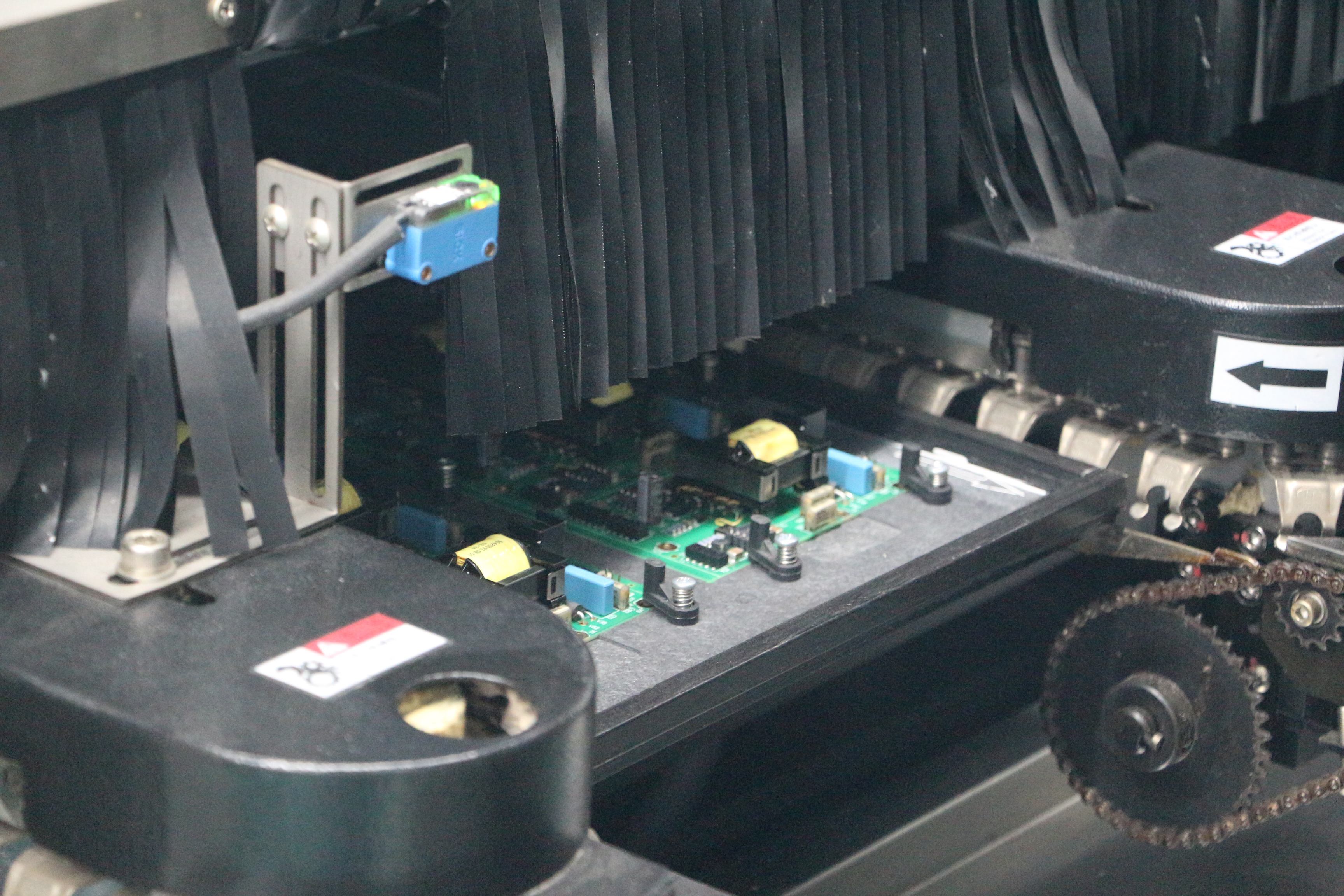
When diving into the evaluation of quality management systems, it's easy to get lost in a sea of acronyms like ISO 9001, Lean, or Six Sigma. Yet the real question isn't which certification looks best on paper—it's whether the system actually drives consistent, measurable improvements. Start by looking beyond the certificate on the wall. A genuinely effective QMS is embedded in daily workflows, from how defects are logged to how customer feedback shapes product iterations. Watch for signs that quality isn't just a department but a shared mindset, where every team member can explain not just what they do, but why their process matters to the end result.
Certifications can serve as a helpful benchmark, but they're not a guarantee of excellence. An ISO badge, for instance, confirms that a company has documented processes and undergoes regular audits—it doesn't tell you whether those processes are lean, agile, or suited to the specific challenges of your supply chain. The most telling evaluations happen when you observe a supplier under pressure. Do they improvise controls on the fly, or does their system hold steady? Ask to see internal audit reports and non-conformance records; these reveal more about the health of a QMS than a polished certification manual ever could. A culture of candidly addressing failures often points to a system that's alive and evolving.
Beyond the checklists, consider the alignment between a supplier's quality philosophy and your own operational reality. A certification in automotive quality standards might look impressive, but if your industry moves at a different pace or tolerates different risk levels, that mismatch can breed friction. Evaluate how easily the system adapts to product changes, urgent orders, or unexpected disruptions. In many cases, the best quality partnerships come from suppliers who maintain robust systems but are humble enough to continuously learn—they view certifications not as endpoints, but as stepping stones toward a deeper, more resilient commitment to quality.
Supply Chain Transparency and Component Sourcing
Understanding where every component originates is no longer a luxury but a fundamental expectation. In an era where end users demand ethical accountability, manufacturers must peel back every layer of their supply network, from raw material extraction to final assembly. This means scrutinizing not just tier-one suppliers but also the distant origins — the mines, chemical plants, and small workshops that often operate beyond direct oversight. Without this depth of visibility, risks like labor violations, environmental harm, or counterfeit parts can remain hidden until they explode into costly recalls or reputation damage.
Modern sourcing strategies now blend digital tools with old-fashioned relationship building. Blockchain-enabled ledgers can timestamp and verify each handoff, while real-time audits — conducted via on-site visits or remote sensing — help validate claims of sustainable forestry or conflict-free minerals. Yet technology alone cannot replace the human element: long-term partnerships with suppliers who share your values often prove more reliable than chasing the lowest bid. The goal is a living map of the supply chain, one that updates dynamically and prompts immediate action when a supplier deviates from agreed standards.
Ultimately, transparent sourcing builds resilience. When a geopolitical event or natural disaster disrupts a particular region, companies with deep insight into their supply web can pivot quickly, activating alternative sources that have already been vetted. This agility prevents production lines from stalling and underscores a brand’s integrity. Customers notice when a company can confidently trace a product’s journey — and they reward that assurance with trust and loyalty.
Prototyping Support and Design for Manufacturability Feedback
Moving from a digital model to a physical prototype often uncovers subtle flaws that even the most advanced simulations miss. Our approach pairs rapid, low-cost prototyping methods with hands-on design reviews, ensuring every iteration moves the product closer to a manufacturing-ready state. We don't just spot dimensional errors—we look for assembly snags, material incompatibilities, and stress points that could lead to costly tooling changes later.
Feedback loops between design and fabrication are built into every stage, so manufacturability isn't a late-stage afterthought. By involving production engineers early, we catch issues like undercuts that complicate molding, or wall thicknesses that invite warping, long before the design is frozen. This collaborative back-and-forth transforms abstract feedback into concrete, prioritized design changes that balance innovation with practical production constraints.
What sets this process apart is the detailed, visual reporting that accompanies each prototype evaluation. Instead of a simple pass/fail, we deliver annotated 3D scans, material flow simulations, and comparative analyses that highlight exactly where a design succeeds—or where it needs rethinking. This makes it easier for designers to understand the “why” behind every suggestion and act on it with confidence, shortening the path from concept to market-ready product.
Scalability, Lead Times, and Production Flexibility
Balancing scalability with short lead times without sacrificing product quality often comes down to how well a production line can adapt to sudden changes. In many factories, shifting from a steady 500-unit run to a 3,000-unit surge isn't just about speeding up machines—it means rethinking material flow, reallocating skilled labor, and sometimes even reconfiguring entire cells within days. The real flexibility lies in whether the floor can switch from one product variant to another without piling up inventory or leaving shifts idle.
Lead times tighten further when customers expect custom mods mid-batch, something standard ERP scheduling can't always handle. Shops that thrive under that pressure tend to rely on cross-trained teams and modular tooling that swaps into place in minutes rather than hours. They also lean on suppliers who hold safety stock strategically, cutting raw material delays to near zero. It's a constant push and pull—ensuring every new order doesn't break the rhythm already set for existing ones.
Production flexibility isn't a single switch; it's built into daily routines. Some lines use quick-change fixtures designed by operators themselves, because they know where seconds get lost. Others stagger shift patterns or keep underutilized machines on standby for rush jobs. The goal is rarely to have infinite capacity, but to make the capacity you have work smarter, absorbing demand spikes without sending the whole schedule into chaos.
After-Sales Support and Long-Term Partnership Potential
Our commitment extends well beyond the initial transaction. Once a project goes live, a dedicated support team ensures rapid response to any technical hiccups, often resolving issues within hours. This isn't just about troubleshooting—it’s about anticipating needs, offering proactive maintenance suggestions, and refining solutions based on real-world use.
We view every client relationship as a collaboration that evolves over time. Regular check-ins, tailored training sessions, and open feedback loops mean we continuously adapt our approach to your shifting goals. Many of our clients have grown alongside us, co-developing new features or exploring adjacent challenges together, which speaks to the trust and mutual investment that define these partnerships.
Long-term thinking also shapes how we structure engagements. Flexible service agreements, transparent communication, and a genuine interest in your strategic direction make it easy to scale support up or down. The result is a partnership that feels less like a vendor contract and more like an extension of your own team—reliable, invested, and always ready to tackle the next objective.
FAQ
Beyond the glossy brochures and sales pitches, pay attention to how they handle failure. Ask for a recent example of a production issue and listen to how openly they describe the root cause, corrective actions, and preventive measures. A supplier that shares lessons learned without defensiveness is more likely to have a genuine quality culture. Also, visit their floor unannounced if possible—look at the organization of tools, the condition of solder stations, and whether operators are engaged or just going through the motions. Small things like calibration stickers being up-to-date and orderly material storage often reveal more than any audit checklist.
Focus on outputs rather than trying to dissect their entire workflow. Ask for data: first-pass yield rates, defect per million opportunities (DPMO) for recent jobs similar to yours, and on-time delivery performance over the last twelve months. A reliable partner will have these figures ready and be willing to walk you through trends, not just cherry-picked successes. If they hesitate or claim they don't track such metrics, that's a warning sign. Also, request a sample board from a previous run and inspect it yourself or have a trusted technician check for consistency in solder joints, component placement accuracy, and cleanliness.
IPC standards like IPC-A-610 and J-STD-001 are specific to electronics assembly—they define acceptable criteria for soldering, workmanship, and handling. ISO 9001 is broader, focusing on overall quality management systems. For PCB assembly, IPC certifications are often more directly relevant because they address the exact processes affecting your boards. However, a combination is ideal: ISO shows they have a structured approach to continuous improvement, while IPC mastery proves they know the technical details. Be cautious if a supplier only waves an ISO certificate without any IPC-trained staff; it might mean their quality system is generic rather than tailored to electronics.
Instead of asking 'Are you reliable?' present a hypothetical scenario: 'Imagine my order has a critical component shortage two weeks before shipment. What steps do you take, and how do you communicate with me?' Their answer reveals supply chain agility, problem-solving approach, and transparency. Also, inquire about their component sourcing strategy: do they rely solely on authorized distributors, or do they occasionally use the gray market? A trustworthy supplier will have clear anti-counterfeiting measures and be upfront about their procurement channels even if it sometimes costs them a bit more.
Ask for their average lead time over the past quarter, not just the quote for your project. Request to see a snapshot of their production schedule or load board—this shows how they manage capacity and queue. A good partner will discuss current backlogs honestly and explain how they prioritize orders. Also, talk about flexibility: if you need to adjust quantities mid-production, what's the impact? A supplier that can describe their scheduling logic and buffer management in plain terms is likely more transparent than one that just says 'yes' to everything.
Notice how material is handled: are components stored in proper ESD-safe environments with controlled humidity? Look at the soldering equipment—is it clean, and are maintenance logs visible and up to date? Watch how operators react to your presence: do they seem knowledgeable and proud of their work, or do they avoid eye contact? Also, check the rework area; a large pile of boards needing rework might signal underlying process issues. Even the condition of bathrooms and break areas can reflect overall discipline. Reliability is often built on thousands of small, consistent habits.
Dig into their employee turnover rate and tenure of key quality staff. High churn can lead to inconsistent output. Ask to talk to a long-term customer who's had both good and bad experiences—not just a reference hand-picked for praise. Another approach is to place a small, non-critical trial order with deliberately tight tolerances or a slightly ambiguous spec to see how they handle clarification. Their communication during this test, willingness to ask questions, and the final quality of the boards will tell you more than any capability statement.
Conclusion
Selecting a PCB assembly supplier is far more than a cost comparison; it requires a thorough evaluation of their manufacturing capabilities and technical know-how. A supplier equipped with state-of-the-art SMT lines and experienced process engineers can handle intricate layouts, ensuring your boards meet exact specifications. Equally important is a strong quality management framework—look for certifications like ISO 9001 or AS9100 and practices such as automated optical inspection and functional testing. Supply chain transparency is also critical: a trustworthy partner will disclose component origins, avoid counterfeit parts, and maintain consistent sourcing even during market shortages. Engaging the supplier early in the design phase pays off through prototyping support and valuable design-for-manufacturability feedback, which refines your layout for improved yield and cost efficiency.
As your product moves toward production, the supplier’s scalability and lead-time flexibility define their reliability. They should demonstrate the ability to scale from pilot runs to full-rate manufacturing without quality dips, and adapt quickly to demand changes. Production flexibility—handling both quick-turn prototypes and high-volume orders—shows a responsive, agile operation. After-sales support, including failure analysis, warranty handling, and field-return logistics, is often overlooked but essential for sustaining product integrity. Ultimately, the best supplier relationships evolve into long-term partnerships where both sides innovate together, continuously improving processes and products for lasting reliability and market success.
Contact Us
Contact Person: Lily
Email: [email protected]
Tel/WhatsApp: +49 (0) 2161 49526-0
Website: https://tps-elektronik.com/en/