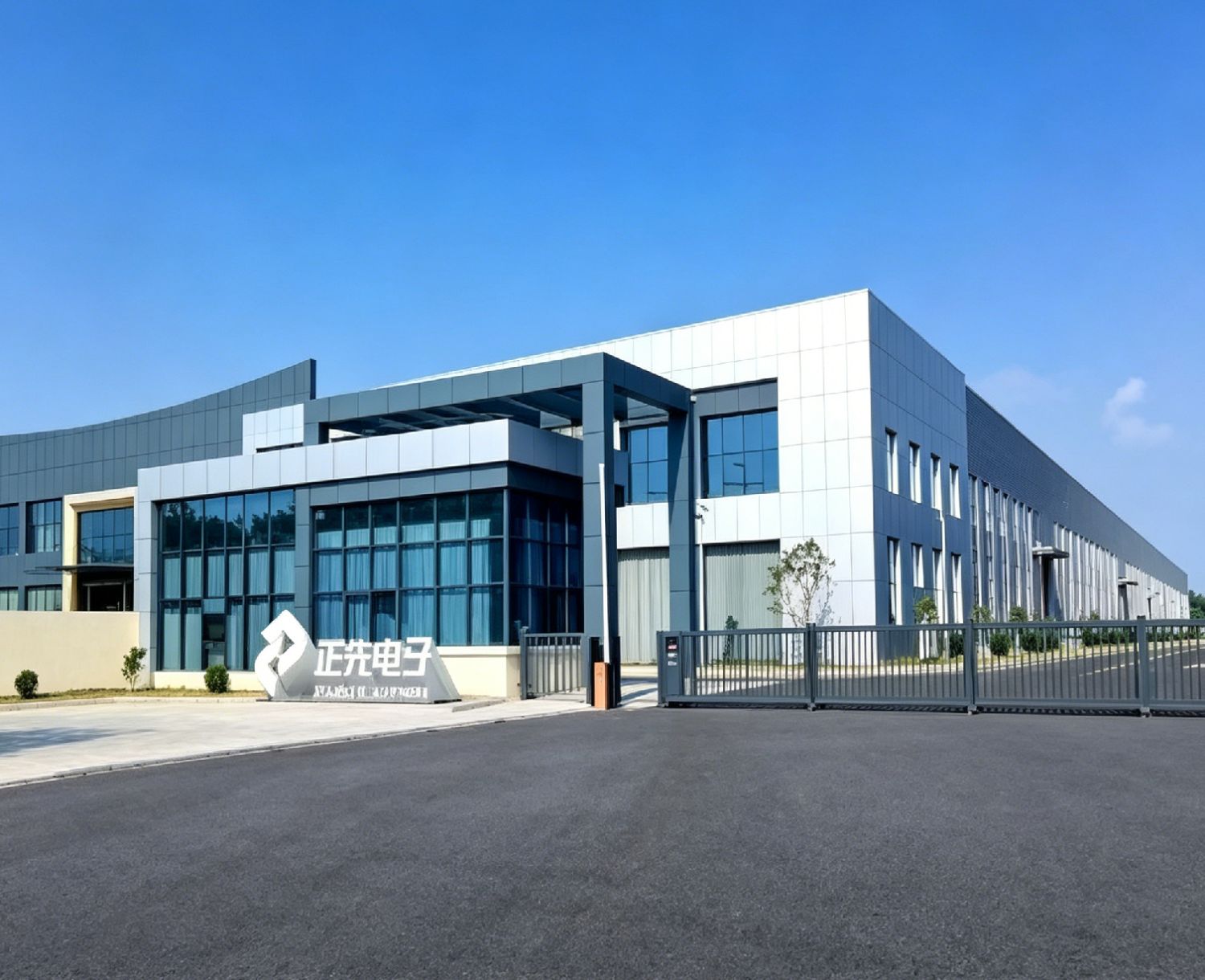

Outdoor Kiosk Factory Insights: Durable Designs for Modern Public Spaces
2026-07-31
In today’s fast-paced urban landscapes, the humble outdoor kiosk has become a silent powerhouse—shaping first impressions, streamlining services, and standing resilient against the elements. Yet not all kiosks are created equal. Behind every sleek, weather-beaten design lies a world of engineering choices that most city planners never see. At zemso, we’ve spent years peeling back the layers of what makes an outdoor kiosk truly last. This blog pulls back the curtain on durable designs that don’t just survive public spaces—they thrive in them. Whether you’re scouting for a single information point or planning a city-wide rollout, the insights ahead will challenge how you think about kiosk longevity.
The Hidden Engineering That Keeps Kiosks Standing Through Storms
When a tempest barrels through, those unassuming kiosks you see at boardwalks or plazas don't just rely on luck. Their secret lies in a foundation system that acts more like an anchor than a simple weight. Far beneath the surface, helical piles are drilled deep into the ground, twisting into the soil like massive screws until they hit load-bearing strata. This isn't just about holding things down—it's about creating a suction effect with the earth itself, distributing the fury of the wind across a footprint far larger than the kiosk's base.
But the real magic happens at the joints. Instead of rigid welds that would crack under repeated stress, these kiosks use semi-flexible connections with elastomeric bearings that allow the structure to sway ever so slightly. Think of it as the engineering equivalent of a palm tree bending in a hurricane—the movement dissipates energy that would otherwise tear the frame apart. Even the roof panels are designed as individual aerodynamic segments with tiny, calibrated gaps that reduce pressure differentials during high winds. It's a dance between rigidity and compliance, all hidden beneath a facade of casual utility.
Why Public Space Kiosks Are Moving Beyond Box-Like Designs
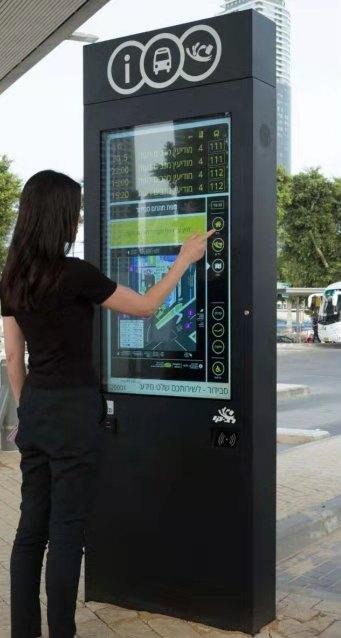
Walk through any contemporary plaza or transit hub and you’ll notice that the rigid, rectangular kiosks of the past are giving way to something far more fluid. The shift isn’t purely aesthetic—it’s a response to how people actually move and gather. Organic shapes, curved edges, and asymmetrical forms create a more natural flow, making these structures feel like part of the landscape rather than obstacles within it. Designers are drawing inspiration from the surrounding architecture and even natural topography, ensuring the kiosk enhances the space instead of interrupting it.
Functionality is also driving this evolution. A boxy design limits orientational possibilities and often dictates a single, static use case. Newer forms—like cantilevered canopies, spiraling shells, or modular pods—allow for 360-degree approach, multiple engagement zones, and better integration of digital screens, lighting, and even seating. These configurations don’t just look different; they perform better in unpredictable weather, accommodate diverse activities, and encourage people to linger and interact in ways a plain cube never could.
There’s also a psychological dimension. Sharp corners and monolithic volumes can feel sterile or unwelcoming, while softer, dynamic silhouettes invite curiosity. By breaking away from the box, municipalities and brands are subtly communicating approachability and innovation. The kiosk becomes a destination rather than a mere utility booth, reshaping how the public connects with information, services, and each other in shared urban environments.
How Material Choices Shape Long-Term Performance Outdoors
The materials you select for outdoor gear or structures don’t just dictate initial durability—they quietly orchestrate how an object ages under sun, rain, and temperature swings. A stainless steel bolt might seem pristine for years, but pair it with an aluminum fitting in a coastal environment, and galvanic corrosion can silently eat away at the joint. It’s these subtle interactions, often overlooked in spec sheets, that really define whether something thrives or fails over time.
Natural materials tell a different story. Wood, for instance, breathes and shifts with moisture, developing a patina that some cherish and others dread. But without thoughtful gradient design—allowing water to drain rather than pool—even the hardiest teak can warp or crack. Synthetics aren’t immune to quirks either: a UV-stabilized nylon fabric might hold its color for a decade in mild climates, yet break down in half that time when exposed to intense high-altitude sunlight. The devil is in the dosage, and each material has its own threshold.
Perhaps the biggest misstep is chasing a single ideal property—say, maximum tensile strength—while ignoring how it plays with others. A super-strong carbon fiber frame that shatters from a minor impact because it was designed without any flex isn’t tough, just rigid. Real-world longevity emerges from a balanced mix of properties that match the specific rhythm of the environment. It’s a lesson in harmony, not just in material science.
Integrating Technology Without Compromising Weather Resistance
Blending advanced tech into outdoor gear often feels like a race against the elements—moisture, dust, and extreme temperatures can quickly derail even the most promising innovations. The key lies in designing seamless integrations where sensors, wiring, and connectivity modules are not afterthoughts but core components, hermetically sealed within ruggedized enclosures that breathe without leaking. Materials like nano-coated circuit boards and compression-molded gaskets work silently behind the scenes, ensuring that a GPS-enabled jacket or a heated glove remains just as protective as its non-digital counterpart.
Power management becomes the linchpin of this balance: batteries must endure freezing dawns and scorching afternoons without fading, while wireless charging coils need to shrug off salt spray and vibration. Engineers are turning to solid-state power sources and energy-harvesting fabrics that pull trickles of electricity from body heat or movement, eliminating vulnerable charging ports altogether. This approach not only hardens the device against weather but also frees users from the tyranny of wall outlets during multi-day expeditions.
Finally, the user interface demands equal attention—touchscreens that respond to wet, gloved fingers, or gesture controls that work in driving rain, require a rethink of traditional input methods. Capacitive layers tuned for high humidity, paired with haptic feedback that cuts through wind noise, transform a potential weak point into a reliable asset. By embedding adaptability into the very user experience, technology enhances rather than compromises the gear's ability to withstand whatever nature throws its way.
From Blueprint to Installation: The Unseen Coordination
When a design leaves the drafting table, it enters a world where paper plans meet physical reality. Every measurement, material specification, and structural note must be translated into actionable steps by people who may never see the original drawings. This handoff is rarely seamless — it depends on unspoken assumptions, quick clarifications over the phone, and the quiet expertise of installers who catch inconsistencies before they become costly mistakes.
Behind the scenes, logistics teams are routing deliveries through city traffic, scheduling lifts and cranes around weather forecasts, and coordinating with electricians and plumbers who are working from different versions of the same plan. A delay in one trade cascades through the timeline, yet nobody outside the project ever notices the daily recalibrations that keep a site humming. It’s a choreography that exists only in the moment, led by foremen who speak shorthand and trust gut instinct as much as the printed page.
The true artistry lies in the gaps — the moments when an installer adapts a generic detail to a quirk of the building, or when a supplier substitutes a discontinued part and alerts the team before it derails the schedule. These adjustments are rarely documented, but they accumulate into a shared, unwritten knowledge that turns a blueprint’s intention into a finished space. The coordination is invisible because it works, and it works because it’s human.
Where Durability Meets Public Art: Real-World Installations
Public art lives in the open, braving sun, rain, and endless human interaction. The pieces that endure aren’t just beautiful—they’re engineered to survive. Take the weathered steel sculptures dotting Chicago’s lakefront; their deliberate patina isn’t decay, but a shield against corrosion, blending form with long-term function. Every scratch and season layer adds to the story, proving that resilience can be an aesthetic in itself.
Modern installations increasingly marry unconventional materials with urban grit. Consider the mosaic-clad benches in a busy Philadelphia park—each tile hand-set over a galvanized frame that laughs off rust. These aren’t museum pieces behind velvet ropes; they’re meant to be touched, climbed, and sat upon. The craftsmanship feels personal, almost stubborn, rejecting disposable culture by demanding to be permanent.
Then there are works like the wind-responsive light sculptures in coastal Norway. Their aluminum skeletons withstand salt spray and Arctic storms, yet move with an eerie gentleness when the breeze picks up. It’s this quiet conversation between hard-wearing materials and delicate experience that sticks with you—long after the initial spectacle fades, the piece remains, grounded and unyielding, a testament to thoughtful design.
FAQ
A successful outdoor kiosk blends seamlessly with its surroundings while withstanding harsh conditions. It's not just about housing a screen; it involves thoughtful industrial design that prioritizes user accessibility, weather resistance, and aesthetic integration. Modern designs often use clean lines, anti-glare displays, and subtle branding to complement urban landscapes without being intrusive.
Durability starts with material selection and smart engineering. Factories typically use marine-grade stainless steel, powder-coated aluminum, and tempered glass to resist corrosion and impact. Sealed enclosures with IP65 or higher ratings protect internal components from dust and water. Temperature control systems, like integrated heaters and cooling fans, prevent overheating in summer and freezing in winter, ensuring consistent performance year-round.
Absolutely. Customization goes beyond color and logo placement. Factories often offer modular configurations, allowing buyers to choose display sizes, touch technologies, peripheral integrations like printers or scanners, and mounting styles. Some even work directly with architects to match the kiosk's form to a building's design language, creating a cohesive look rather than a generic box.
It's a critical consideration that influences everything from material thickness to screw choices. Anti-vandal features include impact-resistant screens, reinforced enclosures, hidden hinges, and tamper-proof fasteners. Strategic placement of components, like recessed cables and flush-mount speakers, also minimizes exposed weak points. The goal is to deter casual damage and resist deliberate attacks, reducing maintenance costs over time.
Thoughtful design simplifies upkeep. Many models feature front-access panels for quick component swaps, remote monitoring systems that alert operators to issues, and modular wiring harnesses that isolate problems. Some factories design kiosks with slide-out trays or pivot mounts, so a single technician can service the unit without disrupting pedestrian flow or needing to dismantle the entire structure.
A kiosk that isn't usable by everyone fails as a public amenity. Factories address this with adjustable screen heights, wheelchair-accessible controls, audio guidance, tactile indicators, and high-contrast interfaces. Compliance with standards like ADA is just the baseline; truly inclusive design considers varying abilities, lighting conditions, and user familiarity with technology to create an intuitive experience.
It's a constant negotiation between form and function. Designers often start with the structural shell, then refine details like edge profiles, joint alignment, and surface finishes to achieve a sleek look without compromising strength. Powder-coated finishes can mimic stone or wood textures, allowing the kiosk to blend with park settings or historic districts while still providing industrial-grade protection.
Forward-thinking factories are adopting energy-efficient components, like low-power displays and solar-assist systems, and selecting recyclable materials. Some design kiosks as platforms for green initiatives, such as air-quality sensors or bike-repair stations. The shift toward modular construction also means parts can be replaced or upgraded individually, extending the unit's lifespan and reducing waste.
Conclusion
Outdoor kiosks might look like simple street furniture, but their ability to endure years of harsh weather starts long before they're assembled. Behind every unit is an engineering framework designed to fight wind uplift, driving rain, and thermal expansion—often using internal steel skeletons anchored deep into reinforced foundations. Contemporary designs also shed the old box-like silhouette for sculpted, aerodynamic forms that both deflect gusts and blend into plazas or parks. Material selection is equally deliberate: marine-grade stainless steels, UV-stabilized polycarbonates, and powder-coated aluminum are chosen not just for corrosion resistance but for how they age gracefully, maintaining color and structural integrity across seasons.
Technology integration has become a defining challenge, with factories embedding touchscreens, speakers, and IoT sensors behind gasketed, IP-rated enclosures that keep electronics dry without trapping heat. The journey from blueprint to a fully operational unit involves close choreography between architects, fabricators, and site crews—precise cable routing, transport logistics, and on-site calibrations all happen with minimal public disruption. And when durability meets artistry, the results can be striking: we've seen kiosks cloaked in perforated metal murals that cast patterned shadows, interactive wayfinding towers wrapped in living moss walls, and solar-powered charging stations doubling as illuminated sculptures, proving that rugged public infrastructure can also be unexpected landmarks.
Contact Us
Contact Person: Leo
Email: [email protected]
Tel/WhatsApp: +86 18901905138
Website: https://www.zemsogroup.com/