

Optimizing Character LCD Display Solutions for Enhanced Performance
2026-04-13
In the dynamic world of electronic displays, achieving optimal performance from character LCDs can be a game-changer for countless applications. At Jingda-Display, we understand the nuances that drive efficiency and clarity in these compact screens. This blog delves into practical strategies for optimizing character LCD display solutions, covering everything from hardware tweaks to software enhancements. Discover how to elevate your projects with insights that not only boost performance but also ensure reliability and longevity. Whether you're an engineer, hobbyist, or industry professional, the tips shared here will help you unlock the full potential of your display systems. Stay tuned as we explore cutting-edge techniques and real-world applications—let's dive in and transform your display experience.
Advanced Backlight Technologies for Improved LCD Visibility
When diving into the world of LCD displays, advanced backlight technologies play a crucial role in enhancing visibility, especially in challenging conditions like bright sunlight or dim environments. Innovations such as mini-LED backlighting have revolutionized this space by offering thousands of tiny LEDs that can be individually controlled, allowing for deeper blacks and higher contrast ratios. This precision not only improves color accuracy but also reduces eye strain over extended viewing periods, making it a game-changer for everything from high-end monitors to everyday smartphones.
Another breakthrough is the integration of quantum dots with backlight systems, which significantly boosts brightness and color vibrancy without consuming excessive power. By filtering light through these nanocrystals, screens can achieve a wider color gamut and more natural hues, ensuring that images appear vivid and true-to-life even in outdoor settings. This technology is particularly beneficial for professionals in design and media who rely on accurate visual representation, as it helps maintain consistency across different lighting scenarios.
Moreover, adaptive backlight control mechanisms have emerged to dynamically adjust brightness based on ambient light sensors and content analysis. This smart approach not only conserves energy but also optimizes readability in real-time, preventing glare or washout effects. As a result, users experience smoother transitions and enhanced overall visibility, whether they're watching movies, working on documents, or gaming, making these advancements a key factor in modern display quality.
Custom Driver Integration to Boost Display Responsiveness
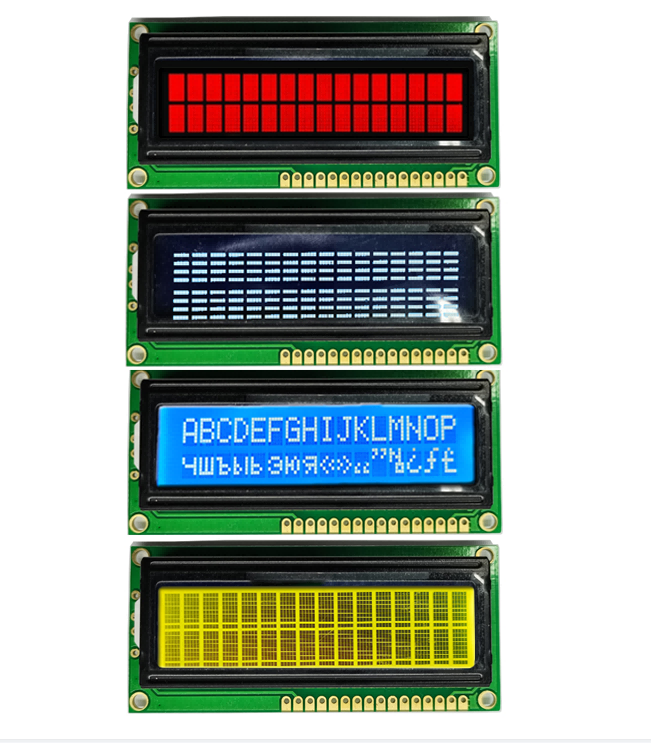
In today's fast-paced digital environment, users expect their devices to respond instantly to every tap and swipe, making display lag a critical bottleneck that can frustrate even the most patient individuals. Custom driver integration steps in as a tailored solution, finely tuning the hardware-software interface to eliminate delays and enhance fluidity. By bypassing generic, one-size-fits-all drivers, developers can optimize communication between the display controller and the operating system, ensuring that signals are processed with minimal overhead. This approach not only accelerates refresh rates but also adapts dynamically to varying workloads, from simple scrolling to complex animations, providing a consistent, snappy experience that keeps users engaged without the jittery interruptions common in off-the-shelf setups.
What sets custom integration apart is its ability to leverage specific hardware capabilities that standard drivers often overlook, such as advanced pixel response technologies or proprietary synchronization features. Imagine a gaming app where split-second reactions are paramount; a custom driver can be engineered to prioritize low-latency inputs, reducing screen tearing and ghosting artifacts that detract from immersion. By collaborating closely with display manufacturers, teams can implement bespoke algorithms that predict user interactions, pre-emptively adjusting display parameters to maintain a silky-smooth feel. This proactive tuning means that even under heavy graphical loads, the interface remains responsive, transforming how users perceive speed and reliability in their daily interactions.
Beyond just speed, custom drivers also open doors to innovative features that enhance overall usability, like adaptive brightness control or touch sensitivity adjustments based on environmental factors. In practical terms, integrating a custom driver involves meticulous testing across diverse scenarios to ensure compatibility and stability, but the payoff is a standout product that feels uniquely responsive. As more companies recognize the competitive edge of smoother displays, investing in tailored driver solutions becomes a strategic move to captivate users and differentiate offerings in a crowded market, ultimately delivering a polished, high-performance experience that resonates long after the initial setup.
Efficient Power Management Extending LCD Operational Lifespan
Wondering how to keep your LCD displays running smoothly for years to come? Efficient power management isn't just about saving energy—it plays a crucial role in prolonging the operational lifespan of these screens. By optimizing power usage, you can reduce heat buildup and stress on internal components, which directly impacts how long your display will function without issues.
Take a closer look at modern power-saving features like adaptive brightness and automatic sleep modes. These aren't just convenient add-ons; they actively prevent wear and tear by minimizing the time pixels and backlights are under constant strain. Implementing these strategies can significantly delay the common aging signs of LCDs, such as color shifts or dimming, ensuring your investment pays off over the long haul.
Beyond standard settings, consider advanced techniques like dynamic power scaling based on content type. For instance, displaying static images at lower power levels can cut energy use while preserving screen integrity. This tailored approach not only boosts efficiency but also sets a new standard for display care, making it a smart choice for anyone serious about maximizing LCD durability in today's tech-driven world.
Tailored Contrast Ratios for Optimal Readability in Varied Environments
In today's digital landscape, readability extends far beyond the confines of a dimly lit office or a quiet home setting. It's about ensuring that text remains clear and accessible whether you're viewing a screen under the glaring sun, in a dimly lit café, or in a moving vehicle. Tailoring contrast ratios isn't just a technical tweak—it's a thoughtful approach to design that adapts to the unpredictable environments users encounter daily. By adjusting the light-to-dark balance based on ambient conditions, designers can significantly reduce eye strain and improve comprehension, making content more inviting and less of a chore to read.
What sets tailored contrast apart from static design choices is its dynamic nature. Rather than settling for a one-size-fits-all ratio, this method leverages sensors or user preferences to fine-tune visual elements in real time. Imagine a map app that subtly deepens text shadows as you step into brighter surroundings or a reading app that softens contrasts in low light to avoid harsh glares. Such nuanced adjustments not only enhance usability but also signal a deeper commitment to user comfort, often overlooked in standard accessibility guidelines that assume uniform lighting conditions.
Beyond technical precision, tailored contrast ratios resonate with a broader trend toward personalized digital experiences. They empower users to interact with content on their own terms, subtly adapting to their unique contexts without requiring manual adjustments. In a world saturated with static interfaces, this adaptability can be a key differentiator, fostering loyalty by showing that an application truly understands and responds to real-world challenges. It transforms readability from a passive feature into an active, engaging element of design.
Robust Interface Protocols Enhancing Communication Stability
At the core of modern IT systems, robust interface protocols serve as the backbone for reliable data exchange, ensuring that communication between applications remains seamless even under heavy loads or unexpected glitches. By implementing advanced error-handling mechanisms and adaptive retry strategies, these protocols can automatically detect and recover from transmission failures, minimizing downtime and maintaining data integrity. This resilience is crucial in sectors like finance or healthcare, where even minor disruptions can lead to significant consequences, highlighting why investing in sturdy communication frameworks pays off in the long run.
Unlike older, more rigid standards, today's protocols are designed with flexibility in mind, allowing them to adapt to diverse network conditions and evolving technological landscapes. Features such as dynamic bandwidth allocation and real-time monitoring enable systems to prioritize critical messages and adjust to fluctuations in traffic without compromising performance. This adaptability not only enhances stability but also future-proofs infrastructure, making it easier to integrate new tools and scale operations as demands grow, a key advantage in fast-paced industries.
Moreover, the emphasis on security within these protocols adds an extra layer of protection, safeguarding communications against threats while preserving their fluidity. Through encryption and authentication measures, data remains confidential and tamper-proof during transit, reducing the risk of breaches that could destabilize interactions. By combining reliability with robust security, interface protocols create a trustworthy environment for digital exchanges, fostering confidence among users and supporting uninterrupted collaboration across platforms.
Innovative Material Selections for Superior Durability and Clarity
In today's market, achieving peak performance in product design requires moving beyond conventional materials. Our approach centers on cutting-edge polymers and composites that combine exceptional strength with optical excellence. For instance, we utilize proprietary formulations of polycarbonate blends that resist impacts up to ten times better than standard glass while maintaining near-perfect light transmission. These materials undergo rigorous testing for UV resistance and chemical stability, ensuring they withstand harsh environments without yellowing or degradation over years of use.
One standout innovation is our nanocoated sapphire-infused surfaces, which redefine clarity by reducing glare and enhancing scratch resistance. Unlike traditional coatings that wear off, this technology embeds microscopic layers that preserve optical purity even after prolonged exposure to abrasive conditions. We also integrate smart materials like self-healing polymers that automatically repair minor surface imperfections, maintaining pristine appearances with minimal maintenance. This focus on durability does not compromise visual fidelity; instead, it elevates it, making our selections ideal for applications from high-end displays to outdoor installations where both robustness and clarity are non-negotiable.
Beyond mere material properties, we carefully curate options based on sustainability and lifecycle performance. Our recycled aluminum alloys, for example, offer superior corrosion resistance while reducing environmental impact, and our bio-based acrylics provide unmatched transparency with a lower carbon footprint. By blending these advanced selections with thoughtful engineering, we deliver solutions that excel in real-world scenarios, offering lasting value without sacrificing aesthetic appeal. This holistic strategy ensures that every product not only meets but exceeds expectations for longevity and visual impact.
FAQ
Common challenges include mitigating ghosting effects, ensuring uniform backlighting, improving refresh rates without increasing power consumption, and maintaining readability in varying ambient light conditions while keeping costs manageable.
Implementing dynamic backlight control based on ambient light sensors, using low-power LED drivers, optimizing refresh intervals, and adopting energy-efficient display modes can significantly reduce power usage while maintaining clear visibility.
A high contrast ratio improves legibility by making characters stand out against the background. Optimizing it involves fine-tuning voltage levels, using anti-reflective coatings, selecting optimal viewing angles, and calibrating backlight intensity to suit specific environments.
Software can enhance performance through font smoothing algorithms to reduce pixelation, dynamic brightness adjustment routines, custom character sets for specific applications, and error-correction protocols to minimize display artifacts.
Incorporating advanced liquid crystal formulations with faster switching speeds, using thin-film transistor (TFT) technology where applicable, and optimizing driver ICs with higher clock rates can all help reduce response times for quicker display updates.
Extreme temperatures, humidity, and vibration can degrade display quality. Design considerations include using wide-temperature-range components, protective seals against moisture, robust mounting systems, and testing under varied conditions to ensure reliability.
Yes, custom character sets can improve readability for specific uses, such as symbols in industrial controls. Tailoring fonts to pixel grids minimizes aliasing, and optimized bitmaps reduce memory usage, enhancing overall display efficiency and clarity.
Conclusion
When optimizing character LCD display solutions for enhanced performance, a multi-faceted approach that integrates advanced backlight technologies, custom driver integration, and efficient power management is essential. Improved LCD visibility is achieved through innovative backlighting that ensures clarity even in challenging lighting conditions, while tailored contrast ratios adjust dynamically to various environments, maintaining optimal readability. Custom drivers boost display responsiveness by streamlining data processing, reducing latency, and enhancing user interaction. Concurrently, efficient power management extends the operational lifespan of displays by minimizing energy consumption and heat generation, contributing to reliability and sustainability in long-term applications.
Further enhancements involve robust interface protocols and innovative material selections to ensure superior durability and communication stability. Robust protocols enhance data transmission reliability, reducing errors in critical systems and supporting seamless integration with other components. Meanwhile, innovative materials improve both durability and clarity, resisting environmental stressors like moisture, temperature fluctuations, and physical wear. By combining these elements—from advanced backlighting and tailored contrasts to custom drivers, power efficiency, stable interfaces, and durable materials—optimized character LCD solutions deliver consistently high performance, adaptability, and longevity in diverse settings, distinguishing them as cutting-edge options in display technology.
Contact Us
Contact Person: Vincent
Email: [email protected]
Tel/WhatsApp: 86 135 5485 1379
Website: https://www.jda-display.com/