

OEM Wafer Butterfly Valves: Enhancing Efficiency and Durability in Modern Industrial Systems
2025-12-23
In the demanding world of industrial fluid handling, the choice of components can make or break a system's efficiency and longevity. This is especially true for butterfly valves, which play a crucial role in regulating flow with precision. However, not all valves are created equal. Enter OEM wafer butterfly valves: a game-changing design that offers enhanced performance without compromising on durability. At the forefront of this innovation is DRIFCO, a brand synonymous with reliability and cutting-edge engineering. In this blog, we'll delve into how DRIFCO's OEM wafer butterfly valves are revolutionizing modern industrial systems, offering unparalleled efficiency and resilience. Whether you're optimizing an existing setup or designing a new one, understanding these advancements could be the key to unlocking superior performance. Let's explore what sets these valves apart and why they're becoming the go-to choice for engineers worldwide.
OEM Wafer Butterfly Valves: Key Features for Industrial Efficiency
Wafer butterfly valves are often overlooked in industrial settings, but when sourced from original equipment manufacturers (OEMs), they pack a punch in boosting efficiency. Unlike generic versions, OEM-specific wafers are designed with tighter tolerances and superior materials—think stainless steel or PTFE seals—that minimize leakage and reduce downtime. This translates to smoother operations in everything from chemical processing to water treatment, where even minor disruptions can cost thousands. By integrating these valves into your system, you're not just installing a component; you're investing in a reliability guarantee that pays off in consistent flow and fewer maintenance headaches.
What sets these valves apart isn't just their durability but their smart design tailored for rapid deployment. With a wafer-style body that slips neatly between flanges without extra bolts, they cut installation time by up to 40% compared to lug types. This might seem like a small detail, but in a fast-paced plant, quicker setups mean less production lag and more uptime. Plus, OEMs often offer customizations—like automated actuators or specialized coatings—that adapt to unique industrial challenges, whether it's handling corrosive fluids or high-pressure steam. It's this blend of speed and adaptability that puts them ahead in the efficiency race.
Beyond their mechanical edge, OEM wafer butterfly valves shine in energy conservation. Their streamlined disc design creates minimal flow resistance, which lowers pump energy requirements by around 15-20% in many applications. Over a year, that saving can slash utility bills and reduce your carbon footprint noticeably. In industries like power generation or oil refining, where every watt counts, this feature alone makes them a go-to choice. Pair that with OEM-backed warranties and technical support, and you've got a valve that not only performs but evolves with your efficiency goals, making it a cornerstone of modern industrial optimization.
Advantages of Wafer Butterfly Valves in Modern Systems
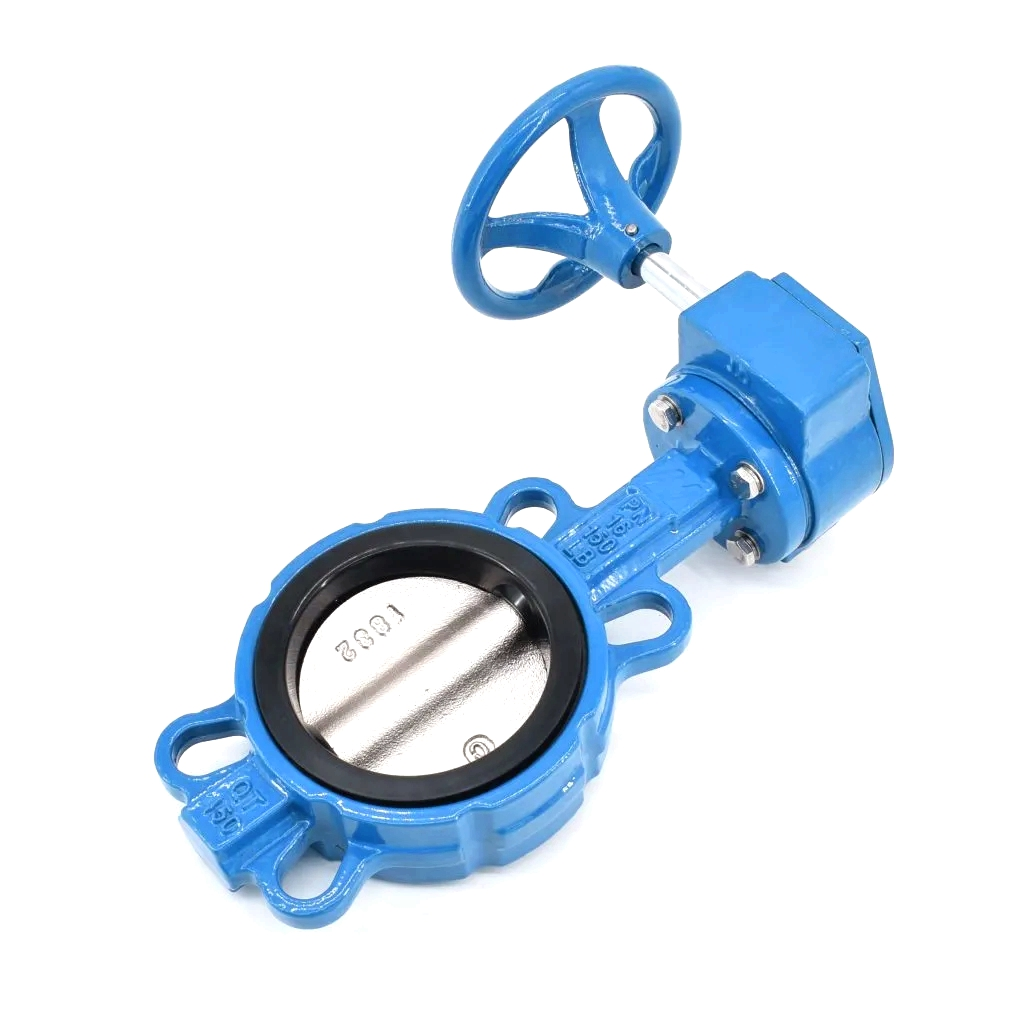
Wafer butterfly valves are often overlooked in industrial settings, but when sourced from original equipment manufacturers (OEMs), they pack a punch in boosting efficiency. Unlike generic versions, OEM-specific wafers are designed with tighter tolerances and superior materials—think stainless steel or PTFE seals—that minimize leakage and reduce downtime. This translates to smoother operations in everything from chemical processing to water treatment, where even minor disruptions can cost thousands. By integrating these valves into your system, you're not just installing a component; you're investing in a reliability guarantee that pays off in consistent flow and fewer maintenance headaches.
What sets these valves apart isn't just their durability but their smart design tailored for rapid deployment. With a wafer-style body that slips neatly between flanges without extra bolts, they cut installation time by up to 40% compared to lug types. This might seem like a small detail, but in a fast-paced plant, quicker setups mean less production lag and more uptime. Plus, OEMs often offer customizations—like automated actuators or specialized coatings—that adapt to unique industrial challenges, whether it's handling corrosive fluids or high-pressure steam. It's this blend of speed and adaptability that puts them ahead in the efficiency race.
Beyond their mechanical edge, OEM wafer butterfly valves shine in energy conservation. Their streamlined disc design creates minimal flow resistance, which lowers pump energy requirements by around 15-20% in many applications. Over a year, that saving can slash utility bills and reduce your carbon footprint noticeably. In industries like power generation or oil refining, where every watt counts, this feature alone makes them a go-to choice. Pair that with OEM-backed warranties and technical support, and you've got a valve that not only performs but evolves with your efficiency goals, making it a cornerstone of modern industrial optimization.
Wafer butterfly valves have become a go-to choice in modern industrial systems due to their compact, lightweight design that simplifies installation and reduces the overall footprint of piping networks. Unlike bulkier alternatives, these valves fit snugly between flanges with minimal space requirements, making them ideal for applications where efficiency and cost savings are paramount. Their straightforward mechanism allows for quick operation and easy maintenance, which is a significant advantage in fast-paced environments where downtime can be costly.
Another standout feature is the enhanced flow control and reliability offered by modern wafer butterfly valves. Advances in materials, such as high-performance polymers and stainless steel, improve durability and resistance to corrosion, extending valve life even in harsh conditions like chemical processing or wastewater treatment. The low-torque operation facilitated by improved sealing technologies ensures better shut-off capabilities, minimizing leaks and enhancing system safety, which is crucial for meeting stringent industry regulations and operational standards.
In today's automated and smart systems, wafer butterfly valves integrate seamlessly with digital controls, supporting remote monitoring and precise flow adjustments. This adaptability not only boosts operational efficiency but also reduces manual intervention, leading to lower labor costs and fewer errors. Their versatility across various sectors—from HVAC and water distribution to pharmaceuticals—showcases how these valves drive innovation and sustainability by optimizing resource use and minimizing environmental impact, making them a forward-thinking component in modern infrastructure.
Innovations Enhancing Durability in Valve Design
Wafer butterfly valves are often overlooked in industrial settings, but when sourced from original equipment manufacturers (OEMs), they pack a punch in boosting efficiency. Unlike generic versions, OEM-specific wafers are designed with tighter tolerances and superior materials—think stainless steel or PTFE seals—that minimize leakage and reduce downtime. This translates to smoother operations in everything from chemical processing to water treatment, where even minor disruptions can cost thousands. By integrating these valves into your system, you're not just installing a component; you're investing in a reliability guarantee that pays off in consistent flow and fewer maintenance headaches.
What sets these valves apart isn't just their durability but their smart design tailored for rapid deployment. With a wafer-style body that slips neatly between flanges without extra bolts, they cut installation time by up to 40% compared to lug types. This might seem like a small detail, but in a fast-paced plant, quicker setups mean less production lag and more uptime. Plus, OEMs often offer customizations—like automated actuators or specialized coatings—that adapt to unique industrial challenges, whether it's handling corrosive fluids or high-pressure steam. It's this blend of speed and adaptability that puts them ahead in the efficiency race.
Beyond their mechanical edge, OEM wafer butterfly valves shine in energy conservation. Their streamlined disc design creates minimal flow resistance, which lowers pump energy requirements by around 15-20% in many applications. Over a year, that saving can slash utility bills and reduce your carbon footprint noticeably. In industries like power generation or oil refining, where every watt counts, this feature alone makes them a go-to choice. Pair that with OEM-backed warranties and technical support, and you've got a valve that not only performs but evolves with your efficiency goals, making it a cornerstone of modern industrial optimization.
Wafer butterfly valves have become a go-to choice in modern industrial systems due to their compact, lightweight design that simplifies installation and reduces the overall footprint of piping networks. Unlike bulkier alternatives, these valves fit snugly between flanges with minimal space requirements, making them ideal for applications where efficiency and cost savings are paramount. Their straightforward mechanism allows for quick operation and easy maintenance, which is a significant advantage in fast-paced environments where downtime can be costly.
Another standout feature is the enhanced flow control and reliability offered by modern wafer butterfly valves. Advances in materials, such as high-performance polymers and stainless steel, improve durability and resistance to corrosion, extending valve life even in harsh conditions like chemical processing or wastewater treatment. The low-torque operation facilitated by improved sealing technologies ensures better shut-off capabilities, minimizing leaks and enhancing system safety, which is crucial for meeting stringent industry regulations and operational standards.
In today's automated and smart systems, wafer butterfly valves integrate seamlessly with digital controls, supporting remote monitoring and precise flow adjustments. This adaptability not only boosts operational efficiency but also reduces manual intervention, leading to lower labor costs and fewer errors. Their versatility across various sectors—from HVAC and water distribution to pharmaceuticals—showcases how these valves drive innovation and sustainability by optimizing resource use and minimizing environmental impact, making them a forward-thinking component in modern infrastructure.
The valve industry has seen a shift towards advanced materials like high-strength stainless steels and corrosion-resistant polymers, which significantly extend service life by withstanding harsh environments.
Innovations such as predictive maintenance systems, leveraging IoT sensors, monitor real-time performance and detect early wear, reducing downtime and enhancing reliability.
Improved sealing technologies, including flexible diaphragm seals and self-lubricating components, minimize leakage and friction, leading to longer operational cycles and reduced maintenance costs.
Customization and Flexibility for OEM Applications
Wafer butterfly valves are often overlooked in industrial settings, but when sourced from original equipment manufacturers (OEMs), they pack a punch in boosting efficiency. Unlike generic versions, OEM-specific wafers are designed with tighter tolerances and superior materials—think stainless steel or PTFE seals—that minimize leakage and reduce downtime. This translates to smoother operations in everything from chemical processing to water treatment, where even minor disruptions can cost thousands. By integrating these valves into your system, you're not just installing a component; you're investing in a reliability guarantee that pays off in consistent flow and fewer maintenance headaches.
What sets these valves apart isn't just their durability but their smart design tailored for rapid deployment. With a wafer-style body that slips neatly between flanges without extra bolts, they cut installation time by up to 40% compared to lug types. This might seem like a small detail, but in a fast-paced plant, quicker setups mean less production lag and more uptime. Plus, OEMs often offer customizations—like automated actuators or specialized coatings—that adapt to unique industrial challenges, whether it's handling corrosive fluids or high-pressure steam. It's this blend of speed and adaptability that puts them ahead in the efficiency race.
Beyond their mechanical edge, OEM wafer butterfly valves shine in energy conservation. Their streamlined disc design creates minimal flow resistance, which lowers pump energy requirements by around 15-20% in many applications. Over a year, that saving can slash utility bills and reduce your carbon footprint noticeably. In industries like power generation or oil refining, where every watt counts, this feature alone makes them a go-to choice. Pair that with OEM-backed warranties and technical support, and you've got a valve that not only performs but evolves with your efficiency goals, making it a cornerstone of modern industrial optimization.
Wafer butterfly valves have become a go-to choice in modern industrial systems due to their compact, lightweight design that simplifies installation and reduces the overall footprint of piping networks. Unlike bulkier alternatives, these valves fit snugly between flanges with minimal space requirements, making them ideal for applications where efficiency and cost savings are paramount. Their straightforward mechanism allows for quick operation and easy maintenance, which is a significant advantage in fast-paced environments where downtime can be costly.
Another standout feature is the enhanced flow control and reliability offered by modern wafer butterfly valves. Advances in materials, such as high-performance polymers and stainless steel, improve durability and resistance to corrosion, extending valve life even in harsh conditions like chemical processing or wastewater treatment. The low-torque operation facilitated by improved sealing technologies ensures better shut-off capabilities, minimizing leaks and enhancing system safety, which is crucial for meeting stringent industry regulations and operational standards.
In today's automated and smart systems, wafer butterfly valves integrate seamlessly with digital controls, supporting remote monitoring and precise flow adjustments. This adaptability not only boosts operational efficiency but also reduces manual intervention, leading to lower labor costs and fewer errors. Their versatility across various sectors—from HVAC and water distribution to pharmaceuticals—showcases how these valves drive innovation and sustainability by optimizing resource use and minimizing environmental impact, making them a forward-thinking component in modern infrastructure.
The valve industry has seen a shift towards advanced materials like high-strength stainless steels and corrosion-resistant polymers, which significantly extend service life by withstanding harsh environments.
Innovations such as predictive maintenance systems, leveraging IoT sensors, monitor real-time performance and detect early wear, reducing downtime and enhancing reliability.
Improved sealing technologies, including flexible diaphragm seals and self-lubricating components, minimize leakage and friction, leading to longer operational cycles and reduced maintenance costs.
Customization and Flexibility for OEM ApplicationsCustomization and Flexibility for OEM Applications
Wafer butterfly valves are often overlooked in industrial settings, but when sourced from original equipment manufacturers (OEMs), they pack a punch in boosting efficiency. Unlike generic versions, OEM-specific wafers are designed with tighter tolerances and superior materials—think stainless steel or PTFE seals—that minimize leakage and reduce downtime. This translates to smoother operations in everything from chemical processing to water treatment, where even minor disruptions can cost thousands. By integrating these valves into your system, you're not just installing a component; you're investing in a reliability guarantee that pays off in consistent flow and fewer maintenance headaches.
What sets these valves apart isn't just their durability but their smart design tailored for rapid deployment. With a wafer-style body that slips neatly between flanges without extra bolts, they cut installation time by up to 40% compared to lug types. This might seem like a small detail, but in a fast-paced plant, quicker setups mean less production lag and more uptime. Plus, OEMs often offer customizations—like automated actuators or specialized coatings—that adapt to unique industrial challenges, whether it's handling corrosive fluids or high-pressure steam. It's this blend of speed and adaptability that puts them ahead in the efficiency race.
Beyond their mechanical edge, OEM wafer butterfly valves shine in energy conservation. Their streamlined disc design creates minimal flow resistance, which lowers pump energy requirements by around 15-20% in many applications. Over a year, that saving can slash utility bills and reduce your carbon footprint noticeably. In industries like power generation or oil refining, where every watt counts, this feature alone makes them a go-to choice. Pair that with OEM-backed warranties and technical support, and you've got a valve that not only performs but evolves with your efficiency goals, making it a cornerstone of modern industrial optimization.
Wafer butterfly valves have become a go-to choice in modern industrial systems due to their compact, lightweight design that simplifies installation and reduces the overall footprint of piping networks. Unlike bulkier alternatives, these valves fit snugly between flanges with minimal space requirements, making them ideal for applications where efficiency and cost savings are paramount. Their straightforward mechanism allows for quick operation and easy maintenance, which is a significant advantage in fast-paced environments where downtime can be costly.
Another standout feature is the enhanced flow control and reliability offered by modern wafer butterfly valves. Advances in materials, such as high-performance polymers and stainless steel, improve durability and resistance to corrosion, extending valve life even in harsh conditions like chemical processing or wastewater treatment. The low-torque operation facilitated by improved sealing technologies ensures better shut-off capabilities, minimizing leaks and enhancing system safety, which is crucial for meeting stringent industry regulations and operational standards.
In today's automated and smart systems, wafer butterfly valves integrate seamlessly with digital controls, supporting remote monitoring and precise flow adjustments. This adaptability not only boosts operational efficiency but also reduces manual intervention, leading to lower labor costs and fewer errors. Their versatility across various sectors—from HVAC and water distribution to pharmaceuticals—showcases how these valves drive innovation and sustainability by optimizing resource use and minimizing environmental impact, making them a forward-thinking component in modern infrastructure.
The valve industry has seen a shift towards advanced materials like high-strength stainless steels and corrosion-resistant polymers, which significantly extend service life by withstanding harsh environments.
Innovations such as predictive maintenance systems, leveraging IoT sensors, monitor real-time performance and detect early wear, reducing downtime and enhancing reliability.
Improved sealing technologies, including flexible diaphragm seals and self-lubricating components, minimize leakage and friction, leading to longer operational cycles and reduced maintenance costs.
Customization and Flexibility for OEM ApplicationsIn today's competitive OEM landscape, one-size-fits-all solutions often fall short of meeting unique client demands. Our approach centers on providing deeply customizable frameworks that allow partners to tailor hardware and software components to their exact specifications. Whether it's adjusting form factors, integrating proprietary algorithms, or modifying user interfaces, we enable seamless adaptations that reflect your brand identity and operational needs. This level of personalization ensures that the final product not only performs optimally but also aligns perfectly with market expectations.
Beyond basic customizations, we emphasize flexibility through modular design and scalable architectures. Our systems are built with interchangeable parts and open APIs, empowering OEMs to quickly iterate on prototypes and adapt to evolving technologies without overhauling entire platforms. This agility reduces time-to-market and allows for ongoing enhancements based on real-world feedback. By avoiding rigid structures, we help clients stay ahead in fast-paced industries where adaptability can be a key differentiator.
Ultimately, our focus on customization and flexibility drives long-term partnerships by delivering solutions that grow with your business. We work closely with OEM teams to understand their challenges and co-develop features that address specific pain points. This collaborative process not only results in more innovative products but also fosters a sense of ownership and alignment. In an era where off-the-shelf options abound, our commitment to tailored, adaptable offerings ensures that your applications stand out and deliver sustained value.
Energy Savings and Operational Reliability
Wafer butterfly valves are often overlooked in industrial settings, but when sourced from original equipment manufacturers (OEMs), they pack a punch in boosting efficiency. Unlike generic versions, OEM-specific wafers are designed with tighter tolerances and superior materials—think stainless steel or PTFE seals—that minimize leakage and reduce downtime. This translates to smoother operations in everything from chemical processing to water treatment, where even minor disruptions can cost thousands. By integrating these valves into your system, you're not just installing a component; you're investing in a reliability guarantee that pays off in consistent flow and fewer maintenance headaches.
What sets these valves apart isn't just their durability but their smart design tailored for rapid deployment. With a wafer-style body that slips neatly between flanges without extra bolts, they cut installation time by up to 40% compared to lug types. This might seem like a small detail, but in a fast-paced plant, quicker setups mean less production lag and more uptime. Plus, OEMs often offer customizations—like automated actuators or specialized coatings—that adapt to unique industrial challenges, whether it's handling corrosive fluids or high-pressure steam. It's this blend of speed and adaptability that puts them ahead in the efficiency race.
Beyond their mechanical edge, OEM wafer butterfly valves shine in energy conservation. Their streamlined disc design creates minimal flow resistance, which lowers pump energy requirements by around 15-20% in many applications. Over a year, that saving can slash utility bills and reduce your carbon footprint noticeably. In industries like power generation or oil refining, where every watt counts, this feature alone makes them a go-to choice. Pair that with OEM-backed warranties and technical support, and you've got a valve that not only performs but evolves with your efficiency goals, making it a cornerstone of modern industrial optimization.
Wafer butterfly valves have become a go-to choice in modern industrial systems due to their compact, lightweight design that simplifies installation and reduces the overall footprint of piping networks. Unlike bulkier alternatives, these valves fit snugly between flanges with minimal space requirements, making them ideal for applications where efficiency and cost savings are paramount. Their straightforward mechanism allows for quick operation and easy maintenance, which is a significant advantage in fast-paced environments where downtime can be costly.
Another standout feature is the enhanced flow control and reliability offered by modern wafer butterfly valves. Advances in materials, such as high-performance polymers and stainless steel, improve durability and resistance to corrosion, extending valve life even in harsh conditions like chemical processing or wastewater treatment. The low-torque operation facilitated by improved sealing technologies ensures better shut-off capabilities, minimizing leaks and enhancing system safety, which is crucial for meeting stringent industry regulations and operational standards.
In today's automated and smart systems, wafer butterfly valves integrate seamlessly with digital controls, supporting remote monitoring and precise flow adjustments. This adaptability not only boosts operational efficiency but also reduces manual intervention, leading to lower labor costs and fewer errors. Their versatility across various sectors—from HVAC and water distribution to pharmaceuticals—showcases how these valves drive innovation and sustainability by optimizing resource use and minimizing environmental impact, making them a forward-thinking component in modern infrastructure.
The valve industry has seen a shift towards advanced materials like high-strength stainless steels and corrosion-resistant polymers, which significantly extend service life by withstanding harsh environments.
Innovations such as predictive maintenance systems, leveraging IoT sensors, monitor real-time performance and detect early wear, reducing downtime and enhancing reliability.
Improved sealing technologies, including flexible diaphragm seals and self-lubricating components, minimize leakage and friction, leading to longer operational cycles and reduced maintenance costs.
Customization and Flexibility for OEM ApplicationsIn today's competitive OEM landscape, one-size-fits-all solutions often fall short of meeting unique client demands. Our approach centers on providing deeply customizable frameworks that allow partners to tailor hardware and software components to their exact specifications. Whether it's adjusting form factors, integrating proprietary algorithms, or modifying user interfaces, we enable seamless adaptations that reflect your brand identity and operational needs. This level of personalization ensures that the final product not only performs optimally but also aligns perfectly with market expectations.
Beyond basic customizations, we emphasize flexibility through modular design and scalable architectures. Our systems are built with interchangeable parts and open APIs, empowering OEMs to quickly iterate on prototypes and adapt to evolving technologies without overhauling entire platforms. This agility reduces time-to-market and allows for ongoing enhancements based on real-world feedback. By avoiding rigid structures, we help clients stay ahead in fast-paced industries where adaptability can be a key differentiator.
Ultimately, our focus on customization and flexibility drives long-term partnerships by delivering solutions that grow with your business. We work closely with OEM teams to understand their challenges and co-develop features that address specific pain points. This collaborative process not only results in more innovative products but also fosters a sense of ownership and alignment. In an era where off-the-shelf options abound, our commitment to tailored, adaptable offerings ensures that your applications stand out and deliver sustained value.
Investing in energy-efficient technologies isn't just about cutting costs; it's a strategic move that directly enhances operational reliability. By reducing power consumption through advanced systems like smart lighting, optimized HVAC controls, or high-efficiency machinery, businesses can lower their exposure to grid fluctuations and energy price spikes. This consistent performance helps prevent unexpected downtime, ensuring that operations run smoothly without interruptions. A reliable energy profile means fewer disruptions, which translates to increased productivity and customer satisfaction over the long term.
Operational reliability goes hand-in-hand with sustainability efforts, creating a resilient framework for modern enterprises. Implementing measures such as predictive maintenance powered by real-time energy data can preempt equipment failures before they occur. For instance, monitoring energy usage patterns in industrial settings allows teams to identify anomalies early, addressing issues proactively rather than reactively. This approach not only slashes energy waste but also extends the lifespan of critical assets, reducing the risk of costly breakdowns. The result is a robust system where energy savings reinforce reliability, driving overall efficiency and competitiveness.
In practice, companies that prioritize both energy savings and operational reliability often see a compounding effect on their bottom line. Consider a manufacturing plant that upgrades to energy-efficient motors and integrates automated energy management software. This dual focus minimizes electricity bills while ensuring consistent output quality and uptime. By avoiding the pitfalls of energy inefficiency—like overheating or voltage sags—operations become more predictable and less prone to errors. Ultimately, this synergy supports a sustainable growth model where financial savings and dependable performance are mutually reinforcing.
Future Trends in Valve Technology for Industrial Use
Wafer butterfly valves are often overlooked in industrial settings, but when sourced from original equipment manufacturers (OEMs), they pack a punch in boosting efficiency. Unlike generic versions, OEM-specific wafers are designed with tighter tolerances and superior materials—think stainless steel or PTFE seals—that minimize leakage and reduce downtime. This translates to smoother operations in everything from chemical processing to water treatment, where even minor disruptions can cost thousands. By integrating these valves into your system, you're not just installing a component; you're investing in a reliability guarantee that pays off in consistent flow and fewer maintenance headaches.
What sets these valves apart isn't just their durability but their smart design tailored for rapid deployment. With a wafer-style body that slips neatly between flanges without extra bolts, they cut installation time by up to 40% compared to lug types. This might seem like a small detail, but in a fast-paced plant, quicker setups mean less production lag and more uptime. Plus, OEMs often offer customizations—like automated actuators or specialized coatings—that adapt to unique industrial challenges, whether it's handling corrosive fluids or high-pressure steam. It's this blend of speed and adaptability that puts them ahead in the efficiency race.
Beyond their mechanical edge, OEM wafer butterfly valves shine in energy conservation. Their streamlined disc design creates minimal flow resistance, which lowers pump energy requirements by around 15-20% in many applications. Over a year, that saving can slash utility bills and reduce your carbon footprint noticeably. In industries like power generation or oil refining, where every watt counts, this feature alone makes them a go-to choice. Pair that with OEM-backed warranties and technical support, and you've got a valve that not only performs but evolves with your efficiency goals, making it a cornerstone of modern industrial optimization.
Wafer butterfly valves have become a go-to choice in modern industrial systems due to their compact, lightweight design that simplifies installation and reduces the overall footprint of piping networks. Unlike bulkier alternatives, these valves fit snugly between flanges with minimal space requirements, making them ideal for applications where efficiency and cost savings are paramount. Their straightforward mechanism allows for quick operation and easy maintenance, which is a significant advantage in fast-paced environments where downtime can be costly.
Another standout feature is the enhanced flow control and reliability offered by modern wafer butterfly valves. Advances in materials, such as high-performance polymers and stainless steel, improve durability and resistance to corrosion, extending valve life even in harsh conditions like chemical processing or wastewater treatment. The low-torque operation facilitated by improved sealing technologies ensures better shut-off capabilities, minimizing leaks and enhancing system safety, which is crucial for meeting stringent industry regulations and operational standards.
In today's automated and smart systems, wafer butterfly valves integrate seamlessly with digital controls, supporting remote monitoring and precise flow adjustments. This adaptability not only boosts operational efficiency but also reduces manual intervention, leading to lower labor costs and fewer errors. Their versatility across various sectors—from HVAC and water distribution to pharmaceuticals—showcases how these valves drive innovation and sustainability by optimizing resource use and minimizing environmental impact, making them a forward-thinking component in modern infrastructure.
The valve industry has seen a shift towards advanced materials like high-strength stainless steels and corrosion-resistant polymers, which significantly extend service life by withstanding harsh environments.
Innovations such as predictive maintenance systems, leveraging IoT sensors, monitor real-time performance and detect early wear, reducing downtime and enhancing reliability.
Improved sealing technologies, including flexible diaphragm seals and self-lubricating components, minimize leakage and friction, leading to longer operational cycles and reduced maintenance costs.
Customization and Flexibility for OEM ApplicationsIn today's competitive OEM landscape, one-size-fits-all solutions often fall short of meeting unique client demands. Our approach centers on providing deeply customizable frameworks that allow partners to tailor hardware and software components to their exact specifications. Whether it's adjusting form factors, integrating proprietary algorithms, or modifying user interfaces, we enable seamless adaptations that reflect your brand identity and operational needs. This level of personalization ensures that the final product not only performs optimally but also aligns perfectly with market expectations.
Beyond basic customizations, we emphasize flexibility through modular design and scalable architectures. Our systems are built with interchangeable parts and open APIs, empowering OEMs to quickly iterate on prototypes and adapt to evolving technologies without overhauling entire platforms. This agility reduces time-to-market and allows for ongoing enhancements based on real-world feedback. By avoiding rigid structures, we help clients stay ahead in fast-paced industries where adaptability can be a key differentiator.
Ultimately, our focus on customization and flexibility drives long-term partnerships by delivering solutions that grow with your business. We work closely with OEM teams to understand their challenges and co-develop features that address specific pain points. This collaborative process not only results in more innovative products but also fosters a sense of ownership and alignment. In an era where off-the-shelf options abound, our commitment to tailored, adaptable offerings ensures that your applications stand out and deliver sustained value.
Investing in energy-efficient technologies isn't just about cutting costs; it's a strategic move that directly enhances operational reliability. By reducing power consumption through advanced systems like smart lighting, optimized HVAC controls, or high-efficiency machinery, businesses can lower their exposure to grid fluctuations and energy price spikes. This consistent performance helps prevent unexpected downtime, ensuring that operations run smoothly without interruptions. A reliable energy profile means fewer disruptions, which translates to increased productivity and customer satisfaction over the long term.
Operational reliability goes hand-in-hand with sustainability efforts, creating a resilient framework for modern enterprises. Implementing measures such as predictive maintenance powered by real-time energy data can preempt equipment failures before they occur. For instance, monitoring energy usage patterns in industrial settings allows teams to identify anomalies early, addressing issues proactively rather than reactively. This approach not only slashes energy waste but also extends the lifespan of critical assets, reducing the risk of costly breakdowns. The result is a robust system where energy savings reinforce reliability, driving overall efficiency and competitiveness.
In practice, companies that prioritize both energy savings and operational reliability often see a compounding effect on their bottom line. Consider a manufacturing plant that upgrades to energy-efficient motors and integrates automated energy management software. This dual focus minimizes electricity bills while ensuring consistent output quality and uptime. By avoiding the pitfalls of energy inefficiency—like overheating or voltage sags—operations become more predictable and less prone to errors. Ultimately, this synergy supports a sustainable growth model where financial savings and dependable performance are mutually reinforcing.
Looking ahead, valve technology is poised to revolutionize industrial operations by integrating advanced materials and smart systems. We're seeing a significant shift towards using composite alloys and ceramics that resist extreme temperatures and corrosive environments, extending valve lifespans while reducing maintenance downtime. This isn't just about durability; it's a strategic move to enhance reliability in critical sectors like energy and chemical processing, where a single failure can have costly consequences. As industries push for more efficient and safer processes, the demand for these resilient materials is expected to drive innovation and adoption in the coming years.
Another exciting trend is the rise of predictive maintenance through IoT-enabled valves. Imagine valves that can monitor their own performance in real-time, sending alerts about potential leaks or wear before they escalate into major issues. This goes beyond basic automation; it's about creating a self-aware infrastructure that minimizes human intervention and maximizes uptime. By leveraging data analytics and connected sensors, companies can transition from reactive repair schedules to proactive strategies, ultimately saving on operational costs and improving safety standards across the board.
On the horizon, we're also witnessing a growing emphasis on sustainability and energy efficiency in valve design. Manufacturers are focusing on developing low-emission valves that minimize fugitive emissions, aligning with global environmental regulations and corporate green initiatives. Additionally, innovations like energy-recovery valves are gaining traction, capturing and reusing energy that would otherwise be lost in fluid systems. This trend reflects a broader industry commitment to eco-friendly solutions, offering tangible benefits for both the planet and bottom lines, as energy savings translate directly into reduced operational expenses.
FAQ
OEM wafer butterfly valves are used to control the flow of liquids and gases in pipelines, offering efficient throttling and shut-off capabilities in various industrial applications.
They feature a lightweight, compact design that reduces pressure drop and allows for quick installation, minimizing downtime and improving overall system performance.
Typically made from materials like stainless steel, carbon steel, or advanced polymers, they resist corrosion and wear, ensuring long-term reliability even in harsh environments.
Yes, OEM providers often offer customization options for sizes, materials, and sealing components to meet unique requirements, enhancing versatility across different sectors.
Regular inspection of seals and discs, along with cleaning to prevent debris buildup, is recommended to maintain optimal function and extend service life.
They are generally more affordable due to simpler construction and lower installation costs, while still providing reliable performance, making them a cost-effective choice for many industries.
Conclusion
OEM wafer butterfly valves represent a pivotal advancement in modern industrial systems, integrating key features that significantly enhance operational efficiency. These valves are designed with streamlined flow paths and low-torque operation, reducing energy consumption while maintaining reliable performance across diverse applications. Their compact wafer-style installation minimizes space requirements and simplifies maintenance, making them ideal for systems where accessibility and quick service are critical. By focusing on precise control and minimal pressure drop, these valves contribute directly to improved process efficiency, supporting smoother operations in sectors ranging from water treatment to chemical processing.
Durability and longevity are further enhanced through innovative design elements such as corrosion-resistant materials, like stainless steel or specialized coatings, and robust sealing technologies that prevent leaks under demanding conditions. Customization options for OEM applications allow these valves to be tailored to specific system requirements, offering flexibility in size, actuation, and materials to match unique industrial needs. This adaptability ensures reliable performance in harsh environments, reducing downtime and extending service life. Looking ahead, future trends in valve technology point toward smart, IoT-enabled designs that integrate monitoring sensors for predictive maintenance, further boosting reliability and energy savings. Overall, OEM wafer butterfly valves are transforming industrial landscapes by merging efficiency, durability, and flexibility into cohesive solutions that meet evolving demands.
Contact Us
Contact Person: George
Email: [email protected]
Tel/WhatsApp: 13863633883
Website: https://www.es-fire.com