
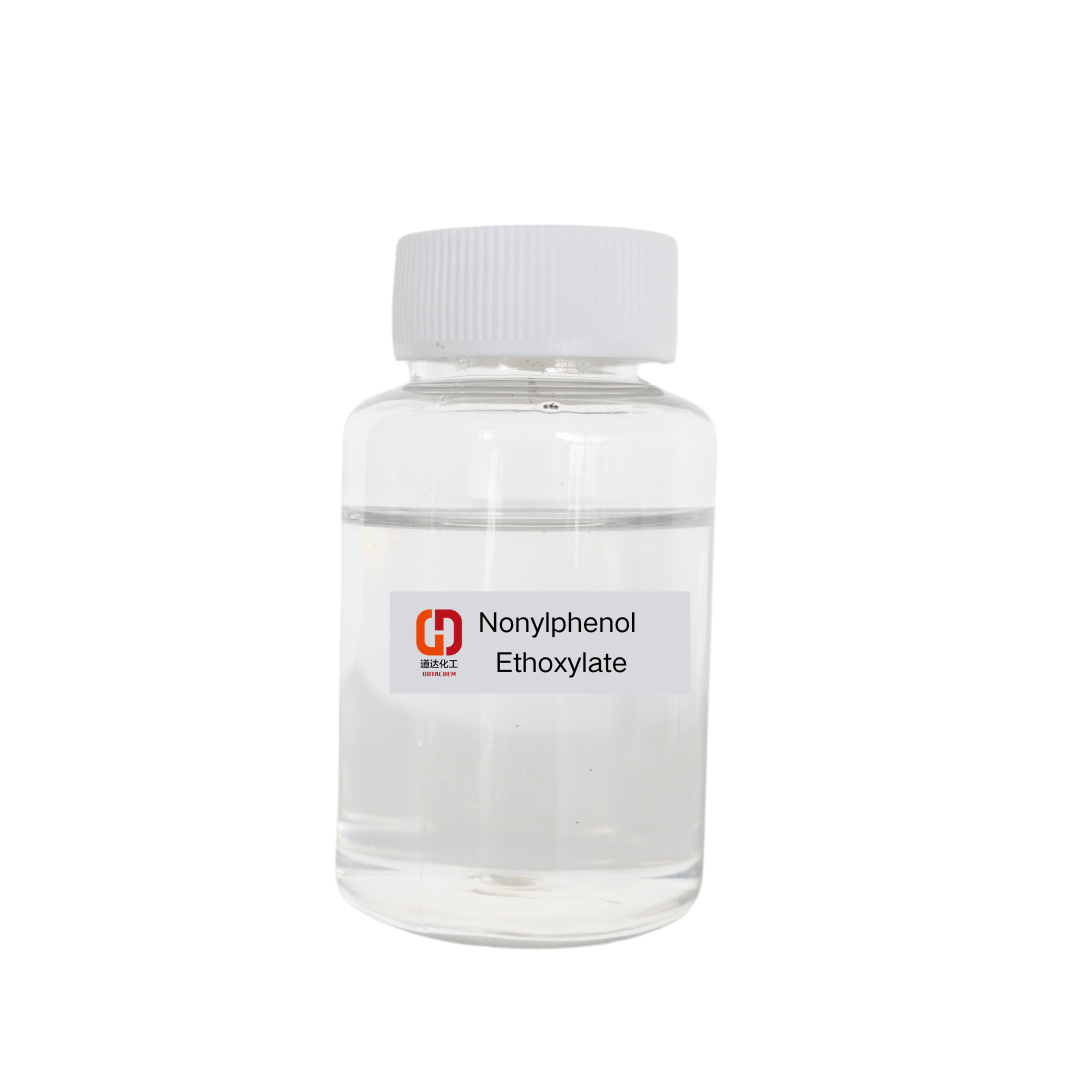
Nonylphenol Ethoxylate Supplier: How to Identify Reliable Partners for Specialty Chemicals
2026-06-18
Sourcing specialty chemicals like nonylphenol ethoxylates isn't just about finding a supplier—it's about building a partnership you can trust. With tightening regulations and diverse application needs, the stakes have never been higher. As an industry leader, POLYKEM knows what truly sets reliable partners apart: consistent quality, transparent sourcing, and technical support that goes beyond the datasheet. In this post, we unpack the practical steps to vet suppliers, so your supply chain works as hard as your products do.
Decoding Supplier Claims: What "High Quality" Actually Means
When a supplier tells you their product is “high quality,” it’s easy to take the phrase at face value. But the term often masks a maze of subjective standards and vague benchmarks. In global sourcing, one factory’s definition might hinge on raw material purity, while another emphasizes defect rates or finish tolerances. Without digging deeper, you risk equating clever marketing with genuine excellence. Start by asking concrete questions: What specific certifications back up the claim? Are there measurable quality control checkpoints in the production line? Real quality leaves a paper trail, and suppliers who deliver it are usually eager to share test reports, third-party audits, and process documentation without hesitation.
Scrutinizing the supply chain itself reveals much about what “high quality” actually translates to. A supplier might boast premium components, yet fail to verify the practices of their own upstream partners. Traceability matters: from the origin of raw materials to the conditions under which they’re handled, each link influences the final output. Look beyond glossy brochures and inspect how defects are captured and corrected on the factory floor. Observe whether workers have clear quality guidelines or if rework is just an afterthought. Genuine commitment shows up in consistent labeling, batch tracking, and a culture of accountability rather than in a polished sales pitch.
Finally, tie the supplier’s definition of quality to your actual use case. “High quality” for mass-market goods differs radically from what’s needed in precision engineering or regulated industries. A textile supplier, for instance, might tout colorfastness, but you might need abrasion resistance more. Deconstruct the claim into attributes that matter most to your customers—durability, safety, aesthetics, or compliance—and test samples against those criteria ruthlessly. When a supplier’s narrative aligns with quantifiable outcomes and transparent processes, you’ve moved past empty words to a partnership built on verifiable standards.
Production Site Visits: What to Look For Beyond the Brochure
Walk through the facility with a skeptical eye, treating the brochure as a rough sketch rather than a map. Notice the small things: the state of the break room, the way tools are stored, the clarity of safety signage. These seemingly mundane details often signal whether the operation genuinely runs with pride and precision or merely dresses up for visitors.
Instead of fixating on the final output, spend time understanding how problems are solved on the floor. Ask to see a recent defect report or a paused production line, if possible. A site that hides its mistakes—or lacks a systematic way to learn from them—tends to have deeper inefficiencies that no marketing material can obscure.
Finally, listen to how people talk about their work. Are they simply reciting company slogans, or do they describe specific problem-solving tactics with firsthand conviction? The subtleties of tone and body language among the team often preview the kind of partnership you will experience once the contract is signed.
The Importance of Batch-to-Batch Consistency for Your Formulas
When you invest time and resources into perfecting a product formula, the last thing you want is unpredictable outcomes during production. Batch-to-batch consistency isn’t just a nice-to-have—it’s the backbone of reliable manufacturing. Every slight deviation in raw materials, mixing times, or environmental conditions can cascade into noticeable differences in texture, color, or performance. For businesses, this means customer complaints, wasted inventory, and a tarnished reputation. Ensuring each batch matches the original specification isn’t about bureaucracy; it’s about keeping your promise to the consumer, every single time.
Beyond the obvious quality concerns, inconsistency quietly erodes your bottom line. Reworking or scrapping off-spec batches drains production capacity and raw material budgets. Over time, these losses add up, making it harder to stay competitive. More importantly, in regulated industries like pharmaceuticals or cosmetics, a single inconsistent batch can trigger costly recalls, regulatory scrutiny, or even legal action. A disciplined approach to consistency—through robust quality control and thorough documentation—is an investment that pays for itself by preventing these silent profit killers.
Consistency also fuels innovation and scalability. When you have a rock-solid baseline formula, you can confidently experiment with line extensions or process improvements without worrying that you’ve introduced uncontrolled variables. This allows your R&D team to iterate faster and brings new products to market with less risk. In the end, batch-to-batch uniformity transforms a good formula into a great product that customers can depend on, batch after batch, year after year.
Understanding the Full Cost of Ownership, Not Just Price Per Kilo
Price per kilo might seem like the ultimate benchmark when comparing suppliers, but that single number can be dangerously incomplete. Imagine buying cheap paint that requires three extra coats or a budget steel that corrodes twice as fast—the savings on the invoice quickly evaporate through rework, delays, and wasted labor. Focusing on the sticker price alone is like judging a car by its fuel tank capacity without asking how far it actually drives on a full tank.
The real cost unfolds over months and years. Shipping, customs, warehousing, and insurance often inflate the landed cost beyond what a per-kilo quote suggests. Then there’s the running tally: energy consumption, maintenance intervals, spare parts availability, and training for your crew. A material that’s marginally cheaper per kilo but requires specialized tools or more frequent replacement can quietly bleed your budget dry. Even disposal and regulatory compliance fees add weight to the total, turning a “bargain” into a liability.
Shifting your mindset from price per kilo to total cost of ownership means mapping the entire lifecycle of the material or product. It’s about measuring how each choice affects throughput, downtime, and product quality on your line. Suppliers that help you model these costs—rather than just firing off a quote—tend to deliver value that a scale can’t capture. In the long run, the cheapest per-kilo option is rarely the one that keeps your operation lean and predictable.
Technical Support That Goes Beyond Troubleshooting
Real support doesn’t just wait for something to break. We look for weak spots before they become crises, tuning performance and closing gaps that most teams miss. When you’re not chasing fires, you can actually focus on what moves your business forward.
We treat every interaction as a chance to improve your setup, not just check a box. Whether it’s simplifying a workflow or uncovering a smarter way to use your tools, the goal is lasting stability—not a quick patch that holds until next week.
The best technical partnerships feel invisible. You shouldn’t have to think about your infrastructure daily. Behind the scenes, we’re monitoring, refining, and keeping things aligned with where your organization is headed.
Planning for Long-Term Availability and Market Shifts
Sustaining a product or service over the long haul demands more than just a solid launch—it requires a keen eye on shifting market currents and a playbook that adapts in real time. Companies that thrive are the ones treating availability not as a static checklist but as a living strategy. They invest in modular architectures and diversified supply chains so when a critical component becomes scarce or a new regulation hits, they can pivot without missing a beat. It’s about designing for fluidity, building relationships with alternative vendors long before you need them, and embedding flexibility into every layer of your operations.
Market shifts often arrive quietly, signaled by changing customer behaviors, emerging technologies, or competitive moves that rewrite the rules overnight. The trick is to listen broadly and act decisively—not just crunching sales data but reading the cultural and economic undercurrents that shape demand. Businesses that stay ahead don’t wait for a shift to become a crisis; they run small-scale experiments, keep a reserve of resources for rapid redeployment, and empower teams to make local decisions within a shared strategic framework. This kind of anticipatory mindset turns potential disruptions into opportunities to strengthen market position.
Ultimately, long-term availability hinges on a company’s ability to balance consistency with reinvention. While core offerings must remain reliable, the surrounding ecosystem—support channels, delivery models, and even value propositions—should evolve continuously. Smart firms cross-train their people, regularly revisit assumptions, and engage customers in co-creating the future, ensuring that when the market zigs, they’re already zagging. The goal isn’t just to survive the next shift but to make availability a competitive advantage that endures.
FAQ
Look beyond price per ton. A dependable partner will share detailed technical data sheets, offer batch-specific certificates of analysis, and have a transparent audit trail for raw material sourcing. Long-term stability also matters—check how many years they’ve been manufacturing and their track record with similar-scale clients.
Ask for retained samples from recent batches and run independent lab tests against the specifications they claim. If possible, visit their facility to see how they manage production controls and equipment calibration. A supplier hesitant about such requests may have gaps in quality assurance.
At minimum, ISO 9001 for quality management and ISO 14001 for environmental management. Depending on your region, REACH compliance or other chemical safety registrations are non-negotiable. Some niche certifications, like ECOCERT for certain applications, can signal higher commitment.
Map out their raw material sources; a supplier overly dependent on a single feedstock route might face disruptions. Enquire about their contingency plans for logistics shocks—do they maintain buffer inventory, or can they shift production across multiple sites? A resilient supplier will openly discuss these scenarios.
Quiz them on processing conditions: how do they control the ethoxylation reaction to maintain narrow ethylene oxide adduct distribution? Can they tailor the cloud point or HLB value to your specific formulation? Their ability to explain these nuances separates commodity sellers from specialty partners.
True partnership involves collaborative problem-solving. Can their chemists help you reformulate if regulations shift? Will they analyze your application and suggest optimized handling or blending methods? A supplier that treats post-purchase support as an afterthought often costs more downstream.
Scrutinize their waste and emission data, not just glossy sustainability reports. Ask about steps taken to reduce 1,4-dioxane byproduct or to recycle process water. Genuine efforts usually come with specific metrics, not vague goals. A site visit can reveal whether their operations mirror their claims.
Conclusion
Identifying a dependable nonylphenol ethoxylate supplier goes far beyond glossy brochures and bold claims of "high quality." It requires scrutinizing what those claims actually mean—does the supplier define purity levels, residual catalysts, or specific oligomer distributions? Without concrete data, "quality" is just a buzzword. On-site visits reveal whether their operations match their promises; look beyond the polished presentation to check raw material storage, reactor cleanliness, and real-time process controls. Equally critical is batch-to-batch consistency, which directly affects the stability of your downstream formulations. Even slight deviations in cloud point or molar distribution can disrupt product performance, making rigorous statistical process control and documented traceability non-negotiable.
Savvy buyers evaluate the full cost of ownership, not just the price per kilo—unreliable supply, hidden impurities, or inconsistent solubility can multiply downstream costs. A truly supportive supplier provides deep technical guidance, from formulation optimization to regulatory navigation, rather than simply reacting to problems. Long-term planning matters, too; assess whether the supplier has diverse sourcing for key feedstocks, participates in REACH registrations, and anticipates market shifts that could affect availability. Partnering with a forward-looking supplier ensures your supply chain remains robust, even as environmental regulations tighten and industry demand patterns evolve.
Contact Us
Contact Person: Levi
Email: [email protected]
Tel/WhatsApp: +86 532 84688720
Website: https://www.polykem-intl.com