

Laundry Detergent Pods Manufacturer Reveals the Science Behind Convenient Cleaning
2026-10-15
You toss one in, close the lid, and walk away—no measuring, no mess. But have you ever wondered what makes that little pod work so hard? As a laundry detergent pods manufacturer, LANJIEYA is pulling back the curtain on the smart chemistry and engineering that turn convenience into a deep clean. Get ready to look at your laundry routine in a whole new way.
The Dissolving Act: What Makes the Pod Film Vanish in Seconds
The moment a pod hits water, the film starts pulling apart at the molecular level. Most pod skins are made from a polyvinyl alcohol blend that’s engineered to stay tough in your hand but lose all grip once moisture gets involved. Water molecules slip between the polymer chains, breaking the weak hydrogen bonds that hold the film together. Because the film is ridiculously thin—often just a few dozen microns—there’s almost no distance for water to travel before the whole structure softens and splits. Add warm or hot water, and that unraveling speeds up fast, which is why a pod can disappear before the wash cycle even gets going.
But temperature isn’t the only trigger. Mechanical agitation plays a sneaky role too. In a washing machine or dishwasher, the constant tumbling and spraying flexes the film over and over, creating tiny stress cracks that let water pour in from every direction. The film isn’t just dissolving from the outside in; it’s being fractured from all sides at once. Some formulas also include disintegrants or built-in weak points that burst open under pressure. The result looks like a magic trick—one second the pod is there, the next it’s just a faint swirl of bubbles and clean liquid, with no trace of the wrapper left behind.
Concentrated Power: Why One Small Pod Replaces a Capful of Liquid
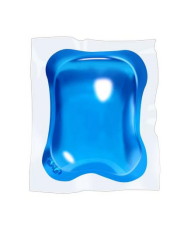
Most liquid detergents are padded with water and thickeners just so they pour smoothly, which means a full cap often contains more filler than active cleaner. A concentrated pod strips out nearly all of that dead weight. Inside the dissolvable film is a tight pack of high-purity surfactants, enzymes, and stabilizers, with virtually no water. The pod may take up a fifth of the space, but its cleaning-agent load matches or beats that full cap.
There is also the freshness factor. Liquid sits in a bottle month after month, slowly separating and losing enzyme strength as oxygen seeps in. By the time you reach the bottom, you are often pouring a weaker product and compensating with extra volume. Each pod is sealed individually against air and light, so the formula stays at factory strength until the moment it hits the wash. You get full potency every single time without overpouring.
Finally, a pod removes the guesswork. When people measure liquid by eye, hands shake, kids interrupt, and the cap ends up sticky or overfilled. A fixed dose per pod means exactly one unit of highly concentrated cleaner per load. That kind of precision is its own form of power: no waste, no shortage, just the right amount of active chemistry released when water dissolves the film.
Cold Water Cleaning, Minus the Guesswork
Most people assume hot water is the only way to get clothes truly clean, but modern detergents have flipped that logic. The real challenge with cold water isn't whether it works—it's knowing exactly how much product, time, and agitation your specific load needs. Instead of guessing based on habit, start by checking the fabric care labels and the detergent's own dosing chart for cold cycles. You'll often find that a full cap is excessive, and a measured half-dose plus a longer soak can lift everyday dirt just as effectively.
Temperature isn't the only variable that matters. Hard water, load size, and the type of stains all shift what "cold" actually means in practice. A quick trick is to run the water until it feels neutral—not icy from the tap—and then let the machine do the work with a cold-water-specific formula. If you're dealing with grease or oil, pre-treating the spot with a tiny amount of undiluted liquid detergent and letting it sit for ten minutes removes the guesswork. You'll avoid the hot-water shrinkage and fading while still getting the result you'd expect from a warm cycle.
The final piece is trusting your own eyes and hands over the dial. After a cold wash, check for detergent residue by rubbing a damp dark cloth against a hidden seam—if it feels slick, reduce the dose next time. Let the garments air dry once and see if any odor lingers; that's usually a sign of too much product or a too-short cycle, not a failure of cold water itself. With a few tested adjustments, cold water cleaning stops being a gamble and becomes the default setting.
Built to Lock Out Moisture Until the Moment You Need It
Most storage solutions slow moisture down, but this one stops it cold. The seal doesn’t just resist humidity—it actively blocks it, so whatever’s inside stays bone-dry for months, not days. You can toss it in a drawer, a backpack, or a glove box and forget about it until the moment you actually need what’s inside.
That barrier stays intact through temperature swings, rough handling, and everyday neglect. No re-sealing tricks, no silica packets to babysit. Just a one-way door for moisture: nothing gets in until you break the seal yourself.
When you finally open it, the contents feel like they were packed that morning. That’s the point—not just keeping air out, but preserving the exact condition you expect when it matters.
Enzymes on a Mission: How Stains Meet Their Match Inside the Drum
Pop open a detergent cap and you're holding a team of specialists, not just soap. Inside the drum, protease enzymes hunt down protein stains like blood or egg yolk, snapping their long molecular chains into pieces that water can carry away. Amylase goes after starchy residues from pasta or oatmeal, while lipase breaks the bond between fabric and greasy smears. The drum's tumbling gives these enzymes time to find their targets, and warm water speeds up the reaction without cooking them into uselessness.
What makes enzymes smarter than a generic stain remover is their pickiness. Each one fits only a specific stain shape, so they don't waste energy attacking fabric dyes or cotton fibers. Some modern detergents even add cellulase, which trims fuzz and pills off cotton, keeping colors looking sharper after repeated washes. Next time a stubborn mark vanishes from a shirt, it's less about scrubbing harder and more about matching the right molecular key to the stain's lock.
Precision Dosing Without the Drips, Spills, or Second-Guessing
Every drop counts when you're working with sensitive formulations, yet standard dosing tools force a trade-off between speed and accuracy. The glass pipette leaves a telltale trail on the bench; the plastic syringe drips after the plunger stops; the graduated cylinder invites a squint-and-pray reading. None of them let you walk away confident that the intended volume actually landed where it should.
This system replaces open transfer with a sealed, single-use cartridge that locks into a handheld base. A spring-loaded valve closes the instant pressure releases, so nothing weeps from the tip. The dose is set by a tactile dial that clicks through 0.1 mL increments—no screens, no menus, no parallax error. What you dial is what you get, every time.
What disappears is the second-guessing. You don't tilt the vessel to catch the last hanging drop or wipe a smear off the rim. You don't run a calibration check after the third dispense because the first two looked "close enough." Precision stops being a ritual and becomes a reflex.
FAQ
The outer film is made from polyvinyl alcohol that stays strong at low humidity but swells and ruptures once it meets water and agitation. The manufacturer adjusts the film's molecular weight and plasticizer level so it survives dry storage yet breaks down within the first minute of a cycle, even in cold water.
A pod packs a higher concentration of active ingredients because it removes most of the water. That means more surfactant molecules, protease, amylase, and stain-fighting polymers per dose. With less filler, each pod delivers a tighter chemical ratio, so the enzymes and builders work together instead of being diluted by the jug.
Enzymes are separated into micro-compartments or stabilized with calcium ions and polyols until the pod is used. The film also acts as a barrier against oxygen and moisture. Once released in the wash, the enzymes find their target stains before the more aggressive surfactants can denature them, which is a timing trick built into the formula.
Modern cold-water pods lean on a blend of enzymes that have peak activity around 15 to 30 degrees Celsius, plus surfactants with branched chains that stay fluid at lower temperatures. Builders like citrates and polycarboxylates are also added to soften hard water and keep minerals from interfering, so the chemistry stays effective without hot water.
Anti-redeposition polymers wrap around loosened soil and keep it suspended in the water, while rinse aids reduce surface tension so the detergent rinses clean. The manufacturing process also limits the amount of non-water-soluble fillers, which means there is less solid matter left behind when the cycle ends.
Not when formulated correctly. The high concentration is balanced with buffering agents that keep the pH near neutral, and the enzymes target specific types of stains rather than breaking down the fibers themselves. However, overloading a machine or washing very delicate items with a heavy-duty pod can still cause wear, so dose and cycle choice matter more than the format.
Multi-chamber pods keep incompatible ingredients apart until the film dissolves. For example, a bleach alternative might sit in one chamber while enzymes sit in another, preventing them from neutralizing each other during storage. This separation lets the manufacturer combine stronger cleaning agents in one pod without sacrificing shelf life.
HE machines use less water, so the formula must produce less foam while still lifting soil. Manufacturers add low-foaming nonionic surfactants and foam suppressants to keep suds manageable. A pod designed for standard machines uses different surfactant ratios, so using the wrong type can lead to oversudsing, longer rinses, and residue on clothes.
Conclusion
Laundry detergent pods may look like a simple shortcut, but their design hinges on a few clever material choices. The outer film is a water-soluble polymer that breaks apart in seconds when it meets water, even at low temperatures, so there's no need to wait for a hot cycle. Inside, a concentrated detergent formula delivers the same stain-fighting power as a full capful of liquid, which means the pod can stay small while still handling a full load. Cold-water performance is built in from the start, with surfactants that activate quickly and rinse cleanly, leaving no residue on fabrics or in the machine.
Equally important is keeping that pod intact before you use it. The packaging and pod construction lock out ambient moisture, preventing premature dissolving or clumping in the box or container on your shelf. When the wash starts, a targeted enzyme blend goes to work on specific stains—proteases for proteins, amylases for starches, lipases for oils—each one breaking down its target so the mechanical action of the drum can lift the rest away. Because each pod contains a pre-measured dose, there's no dripping from a cap, no spills on the floor, and no guesswork about whether you added too much or too little. The entire system is engineered to remove friction from the laundry routine.
Contact Us
Contact Person: Zhao Yanlong
Email: [email protected]
Tel/WhatsApp: 8615832007309
Website: https://www.gzlanjieya.com