

Hot Knife Laminating Machine Supplier Selection Tips for Consistent Lamination Quality
2026-11-16
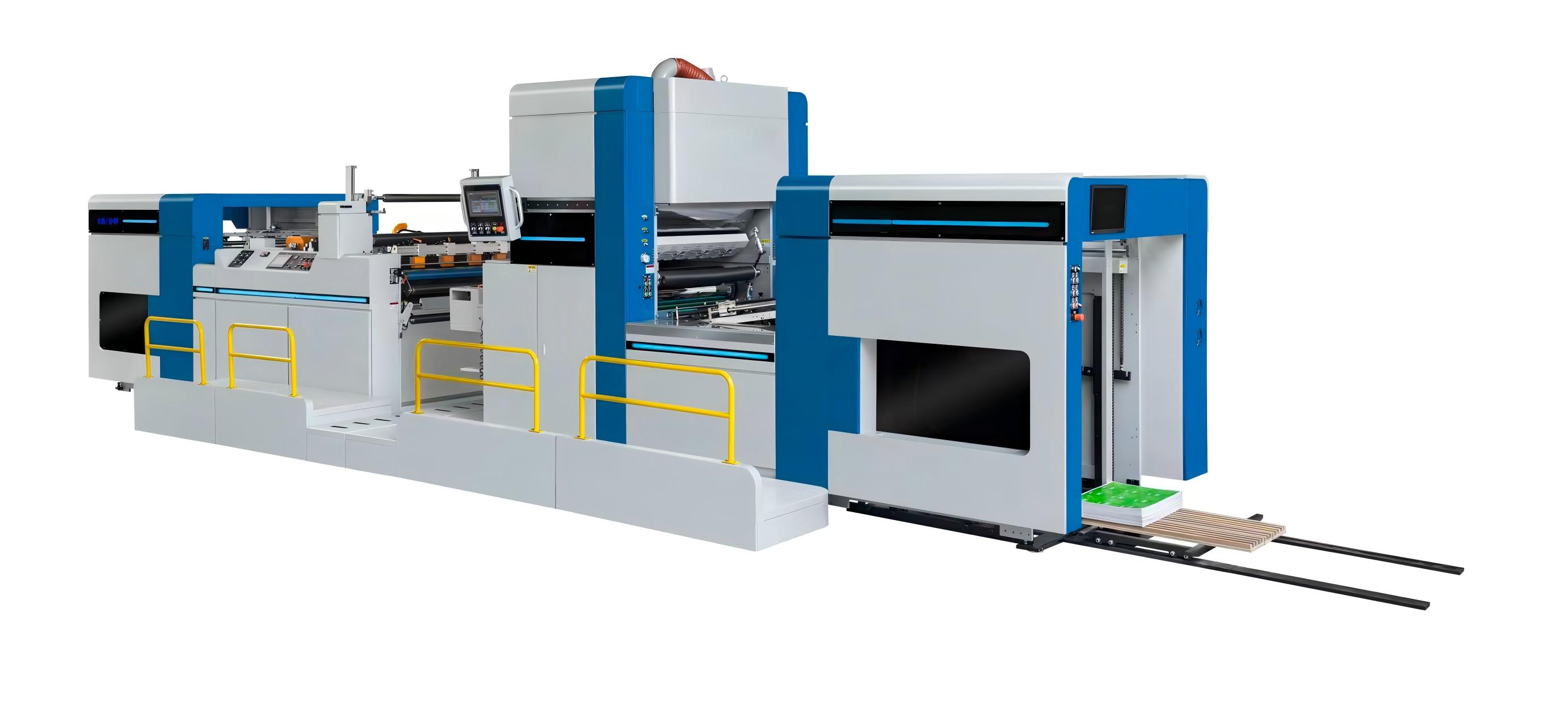
Lamination quality rarely falls apart because of the film alone. More often, it starts with a supplier decision made on price, lead time, or a polished brochure rather than how consistently their hot knife laminating machines handle heat, tension, and edge sealing under real production pressure. If you have ever watched a perfectly laminated batch turn into wavy edges or weak bonds after a supplier switch, you know the cost of guessing wrong. This guide breaks down the selection tips that actually affect day-to-day lamination consistency—and why XIAOPAI keeps showing up in those conversations.
Match the Machine to Your Daily Runs, Not the Spec Sheet
A carbon-plated racer with a 40mm stack height looks brilliant in a lab test, but it means nothing when your Tuesday morning loop starts with cracked sidewalks and a set of stairs. Instead of obsessing over energy return percentages, ask what your legs actually need at mile four on a humid day. If you're logging easy miles five times a week, a softer midsole and a wider platform will serve you better than a stripped-down speed shoe that punishes every heel strike.
Think about where your runs actually happen. A trail-heavy schedule demands lugs and a rock plate, even if you never plan to race ultras. A flat, paved rail-trail might reward a slightly firmer ride that doesn't feel mushy after an hour. The best shoe is the one you forget you're wearing by the third kilometer, not the one with the longest list of tech acronyms on a product page.
Finally, trust your own wear patterns. If you chew through the lateral edge of the outsole, chasing a highly cushioned neutral shoe may just accelerate that same imbalance. Look for a geometry that matches how your foot loads, even if it's not the flashy model everyone else bought last spring. Comfort in the middle of a long run beats a podium finish on a spreadsheet every time.
Put Their Blades and Heating Control Under a Real Workload
Real-world testing doesn't mean running a benchmark for five minutes and calling it a day. It means mounting the cooler on a hot, overclocked CPU inside a closed case with mediocre airflow, then pushing sustained all-core loads for hours. Only under those conditions do the small differences in fan curve tuning, cold plate flatness, and pump noise become obvious. A cooler that looks great on paper can fall apart once the heat soak sets in around the socket area, and that's exactly the kind of failure you won't see in a quick open-air demo.
Switching to a workload like Blender rendering or repeated video encodes changes the thermal behavior entirely. Short bursts of load let the heat spread and dissipate, but a long render forces the liquid or heat pipes to reach a steady state where every degree counts. We've seen coolers that hold 75°C for the first ten minutes creep past 90°C by the forty-minute mark, simply because the mounting pressure wasn't even or the stock fans started ramping too late. That kind of drift matters more than a one-time peak temperature.
Heating control is just as telling under this kind of use. A board's default fan profile can leave the CPU bouncing between aggressive ramps and sudden drops, which is both noisy and pointless. We prefer testing with a fixed fan speed at a tolerable noise level, then letting the thermal solution prove whether it can actually keep the chip out of throttle territory. If the cooler needs max RPM just to survive a sustained workload, that's not a good result—it's a warning sign for anyone who doesn't want a jet engine next to their desk.
Ask for Finished Samples on the Exact Films You Use
A color swatch only tells half the story. When you ask for finished samples made from the exact films you plan to run, you get to see how the material actually behaves after forming, laminating, or stretching. Look closely at the corners, the way light hits the surface, and whether the texture stays consistent across the piece.
Make the request as specific as possible: ask the supplier to label each sample with the film stock, finish, and batch number. That small step prevents the common problem of approving a look based on one version and receiving something slightly different in production. If multiple finishes are on the table, set them side by side on the same substrate.
Once the samples arrive, test them the way the final product will be used. Bend them, wipe them with the same cleaning products, and mount them on a curved or angled surface. Finished samples are not just for approval; they are your chance to catch gloss shifts, edge lift, or adhesive issues before they show up in a full run.
Dig Into How They Handle Calibration and Wear Over Time
Calibration details often get buried in spec sheets, but they matter once a tool has been in daily use for months. The approach here relies on a fixed reference point rather than software-only compensation, which keeps drift from turning into guesswork. Small deviations are corrected at startup, and the system logs the offset so you can spot a pattern before it becomes a real problem.
Wear is handled differently depending on the contact surface. Instead of waiting for performance to drop, the design uses replaceable wear strips and a visual wear indicator that gives you a rough idea of remaining life. The documentation is direct about what degrades first, which makes it easier to keep spare parts on hand instead of discovering the issue mid-task.
Over longer stretches, the calibration checks take only a couple of minutes and do not require special tools. The readings stay consistent as long as you follow the cleaning interval and avoid forcing the moving parts. That practical routine matters more than the initial accuracy claim, because it is what keeps the numbers trustworthy six months or a year down the line.
Weigh the True Cost of Downtime and Spare Parts
When a line stops, the visible losses are obvious, but the quieter costs add up quickly: expedited freight, overtime labor, missed delivery windows, and the slow erosion of customer confidence. Too many teams focus only on the price of the replacement part and ignore what the stoppage itself is already costing per hour. Weighing those numbers side by side changes the conversation.
A cheap spare part that fails again in three months is rarely cheaper. The purchase price needs to be measured against how often the part is replaced, how much labor each swap consumes, and whether the machine is running near its rated output. Holding extra inventory also has carrying costs, so the goal is not simply to stock more, but to know which failures hurt the most and where a modest increase in part quality or availability can prevent repeated hits.
Building a clearer picture of downtime cost helps set realistic thresholds for spare part budgets. If an hour of lost production costs several thousand dollars, then paying more for a part that ships same-day or lasts twice as long may be the financially conservative choice, not the extravagant one. The real risk is treating every spare part as a commodity and letting a small saving create a much larger operational loss.
Read Past the Brochure to the Operator Experience
A glossy spec sheet rarely captures how a machine feels after hour six of a shift. The seat cushion that seemed fine during a short demo becomes a pressure point, and a control layout that photographs well turns into a reach that pulls at the shoulder. Operator experience lives in small, cumulative details: joystick resistance, display clarity under flat afternoon light, and whether a routine adjustment can be made without leaning across a hot panel.
It also shows up in moments that never make it into marketing copy. How quickly can a trained operator silence an alarm without losing situational awareness? Does the cab stay cool enough to keep focus on a long summer run? These realities shape speed, error rates, and whether people finish a shift alert or worn out. When teams compare equipment, brochure numbers get them interested, but the operator's daily experience determines whether a machine is genuinely easy to live with.
That distinction matters most for buyers who will not spend eight hours a day in the cab themselves. Spending time with the people who will—watching them enter, adjust, run, and service the machine—uncovers friction no data table can show. The right choice is rarely the one with the best headline figures. It is the one that respects the person behind the controls after the initial walkaround fades into routine.
FAQ
Start with the heating system and knife geometry rather than brochure claims. Ask how the supplier maintains a stable temperature across the full width and whether the knife edge is designed to resist adhesive buildup during long runs.
Ask for references that run similar films and substrates at comparable speeds. Also check whether the machine uses closed-loop temperature feedback and how often the supplier recommends calibration to keep thermal drift from affecting edge seal quality.
Not really. A spec sheet rarely shows how the components perform together under load. Request a live demonstration or an unedited video showing continuous operation, then inspect edge sealing and coating weight on different film thicknesses before making a decision.
Ask how they handle wrap-around at the knife edge, adhesive accumulation, tension spikes from uneven cores, and setup changes between low-melt and high-melt films. Experienced suppliers usually give detailed, material-specific answers instead of generic reassurance.
It often determines whether the machine stays consistent after installation. Clarify response time for temperature controller issues, spare knife availability, and whether the supplier offers remote diagnostics or onsite tuning. Slow support can lead to drifting settings and rising waste.
Only if quality remains stable at that speed. Ask about waste rates, edge tearing, and the practical speed range for your materials rather than the maximum speed. A slower machine that holds tension and temperature can produce better repeatable results.
Watch for vague explanations about thermal control, no references in your specific film category, hesitation to run your material during evaluation, unclear spare parts lead times, and overly broad promises. These often indicate limited understanding of the variables that affect repeatability.
Conclusion
Most buyers spend too much time comparing wattage and roller width, then wonder why production stalls. A better starting point is the shift log, not the brochure. If your team runs short batches of polypropylene pouches all morning, a machine built for long, uninterrupted nylon runs will fight you with slow warm-up cycles and awkward threading. Ask the supplier to run their hot knife and heating controls on something close to your actual workload, not a clean demo loop. Watch whether the temperature holds when blades make repeated cuts through thicker seams, because a unit that drifts by a few degrees mid-run will show up as inconsistent edges and weak seals. Finished samples matter too, but only when they are produced on the exact films and thicknesses you already buy.
Beyond the demo, ask how calibration is handled after months of daily use. Suppliers who cannot show a clear procedure for blade alignment, temperature recalibration, or wear part replacement are quietly handing you a maintenance burden. That burden has a price: every hour of downtime, every rushed spare part order, and every second-shift operator struggling with a clumsy control panel. Spend time watching someone who has never touched the machine load film, adjust tension, and recover from a jam. If they need constant help, the polished spec sheet means little. The real decision comes down to whether the supplier understands your daily runs, your films, and your people well enough to keep lamination quality steady a year from now.
Contact Us
Contact Person: Kellen Chen
Email: [email protected]
Tel/WhatsApp: 8613806536768
Website: https://www.cnxiaopai.com