

Face Lifting Devices Worth Recommending for At-Home Skin Tightening
2026-09-09
At-home skin tightening has come a long way, and the right face lifting device can make all the difference — but most tools overpromise and underdeliver. If you're tired of wasting money on gadgets that feel more like gimmicks, you're not alone. That's why we've tested and narrowed down the few worth your time, including standout options from Omeina, a brand quietly gaining a loyal following for its thoughtful approach to non-invasive lifting. Before you buy, here's what actually works when it comes to firming skin without a dermatologist's office.
The Lazy Way to a Tighter Jawline: Devices That Do the Work While You Binge-Watch
You've probably tried gua sha or face yoga before realizing it takes actual effort. The real shortcut? Strap on a microcurrent device while you're three episodes deep into a true-crime series. It sends tiny electrical pulses that make your jaw muscles contract on their own—no chewing or frowning required. Your only job is to keep the remote within reach.
Another option is an LED chin mask that sits snug under your jaw and works while you're fully horizontal. Red and near-infrared light penetrate to support collagen production in the skin that tends to sag around the jawline. No downtime, no sticky serums, just a warm glow and the vague sense of accomplishment that you're multitasking.
Then there are vibrating chin straps that look like a soft brace but do the heavy lifting. They combine gentle compression with high-frequency micro-vibrations to stimulate the skin and underlying muscles while you half-watch a cooking show. It’s the closest thing to hiring a tiny personal trainer for your face, except it never judges you for hitting "next episode."
Forget In-Office Treatments: The At-Home Tools That Actually Rival a Pro Lift
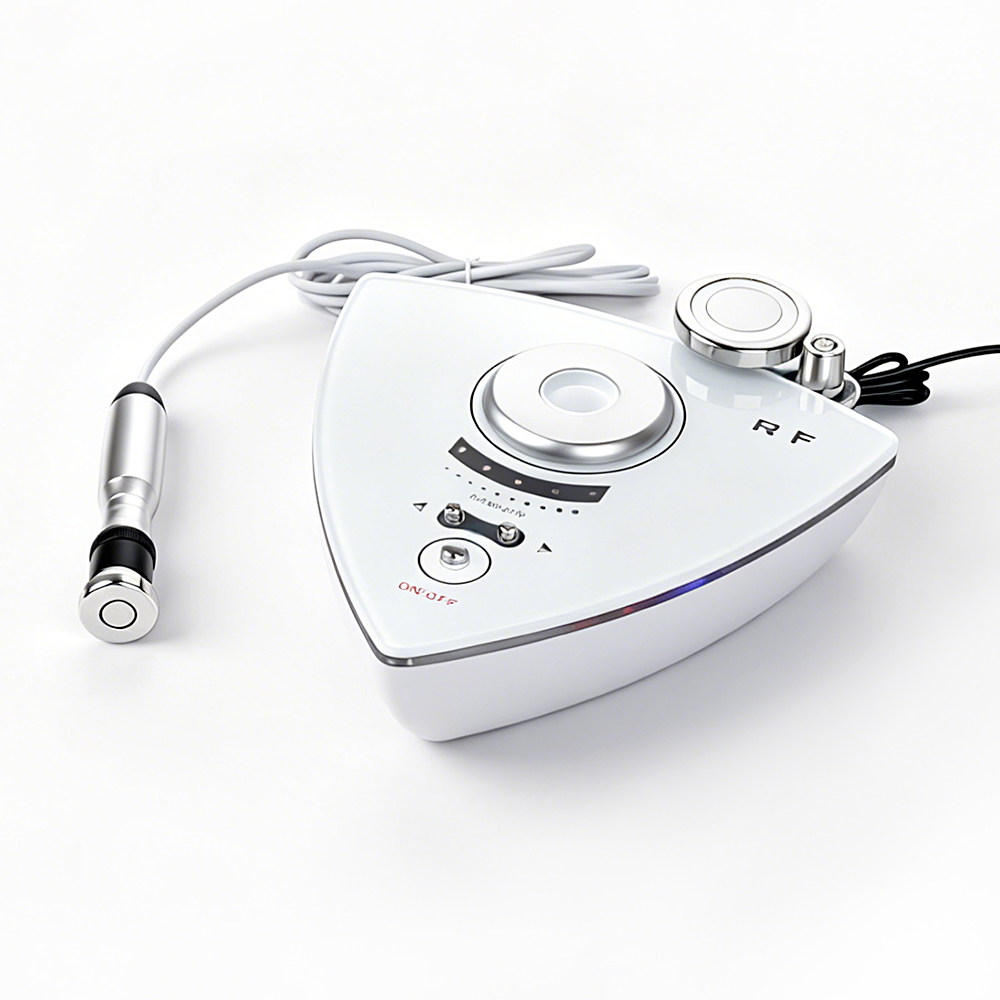
For years, getting a noticeable lift meant booking a dermatologist or esthetician for pricey radiofrequency or microcurrent sessions. But a new wave of at-home devices has closed the gap, packing enough power and precision to turn your living room couch into a private treatment room. These aren't toys—many are clinically tested to stimulate collagen and muscle tone in ways that rival professional results.
Microcurrent tools use low-level electrical currents to retrain facial muscles, giving an instant contouring effect that lasts for hours. Radiofrequency wands heat the deep dermis, triggering collagen contraction and long-term remodeling to firm sagging skin. Pair them with LED light therapy to speed repair and soften fine lines. Used together, the synergy can match a non-surgical lift at a med spa, minus the appointment and downtime.
Consistency matters more than intensity. Apply a conductive gel and glide the device upward along the jawline and cheekbones three to five times a week. You'll see immediate tightening, but real change comes after a few months—sharper definition, shallower nasolabial folds. Unlike a one-time office visit that fades, these tools are a single investment with compounding returns.
Sensitive Skin? These Skin-Tightening Devices Skip the Sting
Many skin-tightening tools rely on high heat or aggressive electrical currents, which can leave sensitive complexions red, tight, and prickly. But a newer wave of devices lowers the barrier by pairing gentler energy levels with cooling tips or hydrating conductive gels. The result feels closer to a warm glide than a zap, so you get that lifted look without inviting a flare-up.
Look for options that let you dial intensity down to a barely-there pulse and include a skin-calming base, like aloe or hyaluronic acid, in their treatment gel. Radiofrequency and microcurrent devices built for reactive skin often cap temperature and use rounded electrodes to spread contact evenly, reducing hot spots that trigger stinging. Even so, a patch test behind the ear is still the smartest first move.
If your skin turns red just from a brisk face wash, stick with short sessions every other day rather than daily use. The best "skip the sting" devices aren't about numbing the skin—they're engineered to work below the irritation threshold, so you can firm and smooth without the recovery time.
Why Most Face Lifting Devices Disappoint (And the One Thing That Changes That)
Most of the time, the disappointment has nothing to do with how often you use the device. You can follow the routine perfectly, apply the conductive gel, glide it over your jawline, and still end up with a faint tightness that disappears by lunch. The problem is that nearly all at-home face lifting tools work only on the surface layer—temporarily plumping the skin or boosting microcirculation. They never reach the deeper connective tissue where sagging actually begins, so the effect is more like a fleeting illusion than a structural change.
Another reason they fall short is that they treat the whole face as one uniform surface. But your forehead, cheeks, and jawline don't respond to the same depth or intensity. A device that delivers a single fixed energy level will either under-treat the areas that need real lift or over-stimulate the sensitive zones, causing puffiness and redness that hide any progress. Without the ability to adapt to how your tissue actually resists the current, most gadgets end up doing a lot of motion and very little lifting.
That's why the one thing that changes everything isn't more power—it's real-time precision. When a device can sense tissue resistance and adjust its output on the spot, it's able to deliver enough focused energy to trigger a repair response in the deeper structural layer without crossing into damage. That kind of targeted stimulation doesn't just warm your skin; it reminds the underlying support system to hold itself higher. Once you feel that specific, deep contraction, the usual pattern of short-lived results stops making sense.
The 8-Minute Face Sculpting Routine That Fits Into Any Morning
Most mornings, the last thing anyone wants is another ten-step routine. This one keeps it honest: eight minutes, a bit of moisturizer or facial oil for slip, and your own hands. Start by warming a few drops of oil between your palms and pressing them gently into your cheeks and forehead. Then use the sides of your index fingers to sweep from the center of your chin along the jawline toward your ears, keeping the pressure light but steady.
For the cheekbones, switch to your knuckles and work in small upward circles from the corners of your mouth to the tops of your ears. You’re not trying to push the skin around; you’re giving the underlying muscle a brief wake-up call. After about two minutes, move to the brow area. Place your ring fingers just above your eyebrows and slide them outward toward your temples, repeating the motion until the forehead feels less tight.
Finish with a slow neck sweep: tilt your chin up slightly and use flattened fingers to stroke from the collarbone up to the jaw, one side at a time. The whole sequence fits between pouring your coffee and brushing your teeth, and it leaves your face looking more defined without requiring a mirror, a tool, or a full bathroom counter.
Microcurrent or Radio Frequency? A No-Nonsense Guide to At-Home Skin Firming
You won't find a single magic wand that does everything, so let's cut through the noise. Microcurrent works on the muscle layer, using a very low-level electrical current that mimics your body's natural signals. It's more of a workout for the face—helping to lift and tone areas that have started to droop, especially around the brows, jawline, and cheeks. Consistency matters more than intensity here: short sessions several times a week tend to deliver the visible snap-back effect, and if you stop, the muscles gradually lose that trained firmness.
Radio frequency, on the other hand, targets the deeper dermis with heat. The goal is to gently warm the skin to a point where collagen fibers contract and then trigger a repair response over the following weeks. This is less about an instant sculpt and more about building density and bounce from within. It often feels like a warm stone massage, and while you may see some immediate plumping from the heat, the real payoff comes after a series of uses. For at-home devices, lower energy means safer but also slower progress—so patience isn't optional.
If you're after a temporary but noticeable lift before an event, microcurrent is your friend. If your main concern is crepey texture, laxity, or loss of elasticity over time, radio frequency fits better. Many people use both on alternating days, but that's a commitment. Start with the one that matches your primary frustration, use it faithfully for six to eight weeks, and don't judge it by a single mirror check.
FAQ
Most people see a temporary lift right after a session because microcurrent or RF stimulates the muscles and boosts circulation. But real skin tightening takes consistency—you'll need about six to eight weeks of use three to five times per week before noticing that the jawline looks sharper and the cheeks feel firmer. Devices like NuFace Trinity or Foreo Bear give that immediate sculpting effect, while radio frequency tools like the TriPollar Stop work deeper to encourage collagen over time.
Microcurrent sends low-level electrical currents to stimulate facial muscles, giving an instant lifted look and helping define contours over time. Radio frequency heats the deeper dermis to trigger collagen remodeling, which is better for skin laxity and fine lines. If your main concern is puffiness or a droopy brow, microcurrent wins for quick results. If you're dealing with crepey texture or loss of elasticity, RF might be a smarter investment.
Look for three categories: microcurrent (NuFace, Ziip, Foreo Bear), radio frequency (TriPollar Stop, MLay, MLAY RF), and LED light therapy (CurrentBody Skin LED, Dr. Dennis Gross DRx SpectraLite). Microcurrent lifts the muscles, radio frequency tightens collagen, and LED supports overall skin health. Combining microcurrent with red LED is a popular routine because the lift from microcurrent lasts longer when the skin's underlying condition improves.
Start with the treatment head design—small, angled probes reach the nasolabial folds and under-eye area better than flat discs. Check if the device has FDA clearance or CE marking, though that's not a guarantee of dramatic results. Pay attention to the conductive gel requirement; some devices won't work without their own serum, which adds ongoing cost. A timer or auto-shutoff helps prevent overstimulation, and a portable, cordless design makes it easier to stick with a routine.
Yes, but you'll trade some refinement. The NuFace Mini usually runs under $200 and gives the same microcurrent output as the larger Trinity, just without interchangeable attachments. MLay's RF device often sits around $120 and delivers a decent warming sensation that improves skin texture with consistent use. For LED, you can find flexible silicone masks under $100 that emit the right wavelengths, though they may not have the same coverage as high-end rigid masks.
No, they work on a completely different level. At-home tools improve muscle tone and collagen density gradually, so they can delay the need for injectables and maintain professional results, but they won't erase deep wrinkles or reposition sagging tissue like a facelift. Think of them as a daily workout for your face rather than a dramatic intervention. That said, many users find they need fewer units of Botox after several months of microcurrent use because the muscles are better conditioned.
Most people tolerate microcurrent and LED well, but radio frequency can cause temporary redness or a warm sensation that fades within an hour. Avoid any device if you have a pacemaker, epilepsy, active breakouts, or metal implants in the treatment area. Don't use RF on the thyroid or over the eyes. Starting with the lowest intensity setting for the first two weeks is smart, and always cleanse your skin thoroughly before a session to prevent bacteria from being pushed deeper.
Conclusion
Many at-home face lifting devices promise a lot but fall short because they lack enough power or are unpleasant to use. The real difference comes down to consistency and picking the right technology for your skin. For lazy evenings, a hands-free microcurrent mask or contoured device lets you tighten along the jawline while streaming shows. If you have sensitive skin, skip anything that stings or overheats; newer low-level radio frequency and gentle microcurrent options firm without redness. The guide matters: microcurrent trains facial muscles for a subtle lift, while radio frequency heats deeper layers to build collagen. Most disappointments stem from buying a gadget that doesn't match your routine or using it sporadically.
A practical 8-minute morning sculpting routine can beat occasional in-office treatments. Use a gel conductor, glide upward from neck to cheekbones, and hold at the jawline for a few seconds. Within a couple weeks, the skin looks less puffy and the contour more defined. The standouts are devices that combine both microcurrent and RF or offer adjustable intensity, so you can start low and build tolerance. Forget the notion that only a professional can lift your face—some at-home tools now approach that result when used daily. The one thing that changes everything? A device comfortable enough to use while you binge-watch, so it actually gets used.
Contact Us
Contact Person: Tina Liu
Email: [email protected]
Tel/WhatsApp: 8618681405932
Website: https://www.omeinabeauty.com/