

Emergency Generator Set Vendor: How to Choose the Best One for Uninterrupted Power
2026-08-11
Power outages don’t wait for a convenient moment—they strike when expectations are highest and downtime isn’t an option. Choosing the right emergency generator set vendor is the single most decisive step toward securing uninterrupted power, yet the market is flooded with promises that often fall short. From hospitals to data centers, the cost of a bad decision goes far beyond dollars. In this landscape, Hichai Power stands out by combining engineering rigor with real-world reliability, but what should you actually look for before signing a contract? We’ll unpack the hidden pitfalls and genuine differentiators that separate lasting performance from temporary fixes.
Assess Your Power Needs Before You Start Shopping
Many people jump straight into comparing generators without a clear picture of what they actually need to run. This often leads to overspending on excessive capacity or, worse, being left in the dark when the unit can't handle the load. Taking a few minutes to list the essential devices and appliances you can't live without during an outage is the foundation of a smart purchase.
Start by separating your must-haves into two categories: items that need continuous power, like a refrigerator or medical equipment, and those that you'll use only briefly, such as a microwave or sump pump. Note their starting and running wattages—many motors need a surge to get going. Add up the running watts of devices that will be on simultaneously, then factor in the highest starting wattage on top of that total. This gives you a realistic minimum capacity, preventing buyer's remorse down the line.
Don't forget to think about convenience and future flexibility. You might not plan to run a well pump today, but if your water system relies on one, a generator with a little extra headroom can be a lifesaver. Similarly, small electronics and chargers feel trivial but quickly add up when you include them in the tally. Being thorough now means you won't have to sacrifice comfort or safety when the grid goes down.
Look Beyond the Brand Name: What Actually Matters
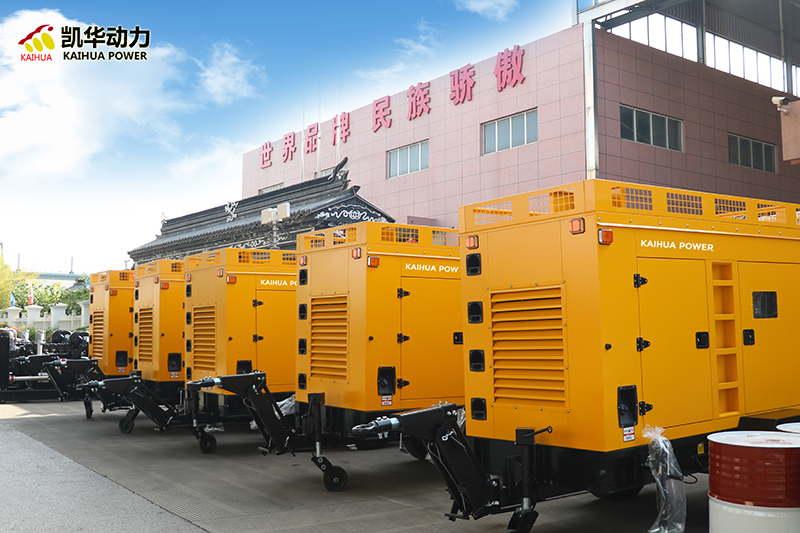
A shiny logo and a familiar name can feel reassuring, but they rarely tell the full story. What truly shapes your experience is the substance behind the label—the people who design and build the product, the quality of materials, and the values that guide the company. A brand is just a starting point; the real difference is in the details that aren’t advertised.
Pay attention to how a product performs in daily life, not just how it looks on a shelf. Does it solve your problem without adding new ones? Is it built to last, or will it need replacing in a year? The most respected names in any industry earned their reputation by consistently delivering on these less glamorous, practical promises—not by doubling their marketing budget.
Also worth noting: many of the best options come from companies you’ve never heard of, simply because they invest in innovation over advertising. Some of the most reliable cars, highest-performing electronics, and softest fabrics carry names that don’t dominate billboards. Look beyond the name, and you’ll often find better value, greater durability, and a product that genuinely fits your needs.
Fuel Type, Runtime, and the Real Cost of Operation
It’s easy to get fixated on the price tag of a generator, but that’s only part of the picture. The kind of fuel you pour into the tank shapes everything from how long it runs on a single fill to what you’ll actually spend over its lifetime. Gasoline might be widely available, yet it degrades quickly and can gum up a carburetor if left sitting. Propane burns cleaner and stores indefinitely, but you might sacrifice a bit of runtime. Diesel tends to stretch fuel dollars further and handle heavy loads gracefully, though the upfront cost and maintenance requirements often climb. Each option nudges the total cost of ownership in a different direction.
Runtime claims on a spec sheet rarely match the real world. Manufacturers often test at a quarter load, but that gentle hum in a lab doesn’t translate to a job site screaming with tools or a house riding out a blackout. A unit rated for ten hours on paper might gasp to a stop after six when you’re actually using it. Ambient temperature, altitude, and the age of the fuel all chip away at performance. Figuring out what you’ll truly get means sizing up your actual draw and then factoring in a realistic derating—something too many buyers overlook until it’s too late.
The real cost of operation sneaks up on you through more than just the pump price. Maintenance intervals, part costs, and how often you run it all bleed into the bottom line. A cheap generator that needs oil changes every fifty hours and throws a rod at three hundred might cost more in the long run than a pricier unit that hums along for thousands. Smart buyers look at fuel consumption per kilowatt-hour of actual output, not just tank capacity. They weigh how easy it is to source fuel in a pinch because the cheapest fuel won’t help if you can’t get it. In the end, the smartest investment is the one that aligns fuel type, runtime reality, and long-term expense with how you actually live and work.
Installation and Support: The Hidden Make-or-Break Factors
Too often, the conversation around new technology or services fixates on features and pricing. Yet, in the trenches of actual deployment, it's the installation experience and the caliber of ongoing support that truly define success. A slick product that arrives with confusing documentation or requires a PhD to set up can grind momentum to a halt. Conversely, a seemingly modest tool backed by a team that anticipates your integration hurdles becomes an instant force multiplier. The installation phase isn't just a hurdle to clear—it’s the first real test of the vendor’s commitment, and it sets the emotional tone for the entire relationship.
Support, on the other hand, is the quiet backbone that catches you when things inevitably go sideways. Real support isn’t measured by how quickly a ticket is closed, but by how deeply the team understands the context of your work. It’s the difference between a generic “try rebooting” and a direct call from someone who already knows your configuration and pinpoints the root cause. When platforms grow and evolve, this kind of partnership prevents small friction points from becoming operational nightmares. It’s not just about fixing bugs—it’s about co-navigating the unpredictable nature of real-world use, turning potential downtime into a blip.
In the long run, these factors silently shape retention and expansion. A customer who endured a painful setup or felt abandoned during a critical outage will always have one foot out the door, no matter how innovative the roadmap appears. But those who feel genuinely supported become advocates, often forgiving minor product shortcomings because they trust the human layer behind it. The market is saturated with capable alternatives; what makes people stay is the feeling that someone is invested in their specific success, not just the sale.
Future-Proofing Your Investment: Scalability and Smart Features
Scalability is not just about handling more users—it's about ensuring your system evolves with your ambitions. When we talk about future-proofing an investment, the architecture must support seamless expansion without costly rework. A well-designed foundation allows you to add new capabilities, integrate with emerging technologies, and scale resources up or down as demands shift. This agility keeps your infrastructure lean and responsive, avoiding the trap of over-provisioning while preventing bottlenecks that stifle growth.
Smart features take scalability a step further by embedding intelligence directly into the operational layer. Think adaptive automation that learns from usage patterns to optimize resource allocation, or predictive maintenance that flags potential issues before they impact performance. These capabilities are not static add-ons; they evolve with your data, becoming more accurate and valuable over time. The result is a system that not only grows with you but actively enhances efficiency, reducing the manual overhead typically associated with scaling.
Ultimately, combining modular design with integrated intelligence creates a feedback loop: smart features inform better scaling decisions, and a scalable platform provides the flexibility to deploy new intelligent services rapidly. This synergy protects your initial investment by ensuring that the technology stack you commit to today won't become a constraint tomorrow. It’s about building an ecosystem that continuously adapts, so your focus can stay on innovation rather than infrastructure limitations.
Verify Real-World Performance, Not Just Spec Sheets
Numbers on a page rarely tell the full story. A processor might boast high clock speeds but throttle under sustained load, while a camera sensor with more megapixels can produce softer images if the lens is mediocre. Benchmarks isolate controlled scenarios; everyday use throws in multitasking, thermal constraints, and background processes that change the feel of a device completely. That’s why testing in the situations you actually care about—gaming for an hour, shooting video outdoors, hopping between a dozen apps—shows you what life with the gadget is truly like.
Battery life claims are another classic mismatch. Lab tests often simulate ideal conditions: steady screen brightness, a single task, no connectivity hiccups. In reality, you might be streaming music over Bluetooth while navigating and taking photos, with cellular signal fluctuating. The gap between quoted hours and your personal experience can be massive. Learning to read between the lines, and more importantly, to test a device on your own terms, transforms a buying decision from hopeful guesswork into informed confidence.
FAQ
Start by clearly defining your power requirements. Calculate the total load you need to support, decide whether you need a standby or prime power solution, and note any site-specific constraints like space, fuel availability, or noise restrictions. This helps you immediately filter vendors who can match your specifications rather than wasting time with those who can't.
Look beyond glossy brochures. Ask for a list of completed installations similar to yours, and actually contact those clients for honest feedback. Pay attention to how the vendor handles emergencies or unexpected issues—do they have a rapid-response service team? Check if they've been in business consistently without frequent rebranding, which can be a red flag.
At a minimum, the equipment should meet ISO 8528 for generator sets and relevant local codes, but the vendor itself should hold certifications like ISO 9001 for quality management. If you're in a specialized industry (healthcare, data centers), ensure they understand and comply with standards like NFPA 110. Don't just accept claims—ask to see current certificates and verify them with the issuing bodies if possible.
Rarely. Low upfront cost often hides corner-cutting on critical components, subpar manufacturing materials, or limited after-sales support. Instead, compare total lifecycle costs: fuel efficiency, expected maintenance intervals, spare parts pricing, and warranty terms. A slightly higher initial investment from a reputable vendor can save massive expenses over the generator's lifespan.
Crucial. A vendor without local technicians or a regional service center can leave you stranded for days during a breakdown. Ask about their average response time, spare parts inventory in your area, and whether they offer preventive maintenance contracts. The best vendors will have a 24/7 local support team that knows your installation personally, not just a remote call center.
Most good vendors offer customization beyond just picking kilowatt ratings. You might need sound-attenuated enclosures, paralleling controls, special cooling systems for high altitudes, or integration with existing building management systems. A vendor who listens and adapts rather than pushing their stock models is a strong indicator of a partner who prioritizes your uninterrupted power, not just a sale.
It's a major factor. Diesel is common but brings fuel storage and maintenance challenges; natural gas offers cleaner operation and continuous supply from utility lines but may have lower power density. Propane is another option with long shelf life. Your vendor should tutor you through these trade-offs based on your location and runtime needs, not simply sell whatever they stock. A reliable vendor will help you weigh fuel availability, storage regulations, and long-term cost.
Read the fine print. A standard one-year warranty is typical, but better vendors may offer extended coverage on major components like the engine and alternator. Ask what's excluded—some warranties become void if maintenance isn't done by certified personnel, which locks you into their service. Also, clarify turnaround times for warranty repairs and whether loaner units are provided during extended downtime. Transparent vendors have no issue detailing these points in writing.
Conclusion
Choosing the right emergency generator vendor starts long before you compare models—it begins with a brutally honest audit of your actual power needs. Too many buyers fixate on brand prestige or raw wattage numbers, only to end up with a unit that’s either overkill or dangerously inadequate. Instead, map out what absolutely must stay running during an outage, and for how long. Then dig into fuel logistics: diesel, natural gas, or dual-fuel systems each bring distinct tradeoffs in runtime, storage, and long-term operating costs that spec sheets rarely spell out. A vendor worth trusting will walk you through these real-world implications rather than pushing the highest-margin option.
Beyond the hardware, installation quality and ongoing support quietly determine whether your generator will actually perform when called upon. Inquire about commissioning processes, local service networks, and typical response times—not just warranty length. Smart capabilities are no longer gimmicks; remote monitoring, automatic load shedding, and scalable modular designs let your system grow with changing needs instead of forcing a full replacement later. Finally, resist the temptation to judge a generator solely by laboratory data. Seek out case studies, customer testimonials, and if possible, see a running unit under true load conditions. That on-the-ground track record is what separates a paper tiger from a dependable source of uninterrupted power.
Contact Us
Contact Person: Ms. Lu
Email: [email protected]
Tel/WhatsApp: 8618917899306
Website: https://www.hichaipower.com