

Electrical Steel Manufacturing: Exploring Non-Oriented Factories and Production Processes
2026-04-13
Ever wondered what keeps our modern world humming with electricity? Dive into the fascinating realm of electrical steel manufacturing, where non-oriented factories and intricate production processes shape the core of countless devices. At the forefront of this industry is Jiangsu Baowu New Materials, a leader in crafting high-quality materials that power everything from household appliances to advanced industrial systems. Join us as we explore the cutting-edge techniques and innovations driving this essential sector, and discover how these processes are revolutionizing energy efficiency and sustainability. Get ready to uncover the secrets behind the steel that fuels our electrified lives!
An Inside Look at Non-Oriented Electrical Steel Production
Diving into the world of non-oriented electrical steel production reveals a fascinating interplay of metallurgy and precision engineering. Unlike their grain-oriented counterparts, these steels are designed with magnetic properties that remain consistent in all directions, making them indispensable in a wide range of electrical applications. The journey begins with carefully selected raw materials, such as iron ore and alloys, which are melted in specialized furnaces to achieve a specific chemical composition optimized for reduced core losses. From the molten stage, the steel undergoes a series of rolling and annealing processes to fine-tune its grain structure, ensuring it meets rigorous standards for efficiency and durability. This meticulous approach highlights how manufacturers balance cost-effectiveness with performance, catering to industries from automotive to renewable energy systems.
Beyond the basics, the production line for non-oriented electrical steel showcases innovative techniques that set it apart from more conventional methods. For instance, modern facilities often employ advanced control systems to monitor temperature and pressure during hot rolling, which helps in achieving uniform thickness and minimizing defects. After rolling, the steel passes through continuous annealing furnaces where it is heated to precise temperatures to relieve internal stresses and enhance magnetic permeability. A cutting-edge aspect is the use of laser or plasma technologies for slitting and shearing the steel into custom sizes, reducing waste and improving yield. These steps not only boost the material's performance but also contribute to sustainable manufacturing practices by optimizing resource use and energy consumption.
In the final stages, quality assurance becomes paramount as producers conduct rigorous testing on the finished non-oriented electrical steel. Key tests include measuring core loss, magnetic induction, and coating integrity, often using automated equipment to ensure consistency across batches. The steel is then coated with insulating layers, such as organic or inorganic films, to prevent eddy currents and enhance its lifespan in applications like motors, transformers, and generators. This behind-the-scenes look underscores how the industry's focus on innovation and precision drives the development of materials that power modern technology, with each step tailored to meet evolving demands for efficiency and reliability in electrical systems.
Key Steps in Crafting High-Quality Electrical Steel
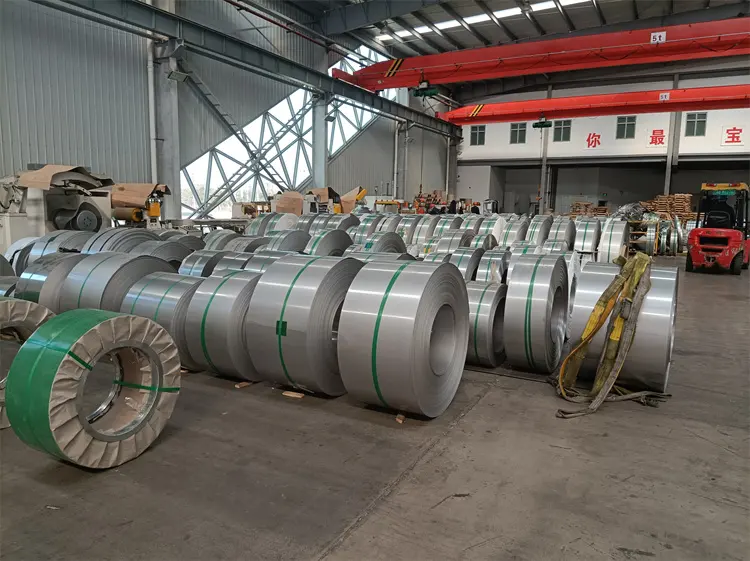
Crafting high-quality electrical steel begins with selecting the right raw materials, such as low-carbon steel, and enhancing it with silicon to reduce energy losses. The alloy's composition must be precisely controlled, as even small deviations can seriously impact performance. After melting and refining, the steel is cast into slabs, which are then hot-rolled to achieve the desired thickness. This initial shaping is crucial for setting the foundation of the material's magnetic properties.
Next, the annealing process plays a key role by softening the steel and refining its grain structure, which helps in achieving low core losses. Cold rolling follows to further reduce thickness and improve surface finish, often involving multiple passes to reach the precise gauge needed. A final annealing step, sometimes in a controlled atmosphere, removes stresses and optimizes the steel's magnetic orientation, ensuring it performs reliably in applications like motors and transformers.
To wrap up, quality checks and finishing steps ensure the steel meets strict standards. This includes testing for magnetic permeability, core loss, and surface quality, followed by coating or insulating treatments to prevent corrosion and enhance durability. By carefully managing each of these stages, manufacturers can produce electrical steel that stands out for its efficiency and longevity in demanding electrical systems.
Advanced Technologies Powering Modern Electrical Steel Factories
In today's electrical steel factories, advanced technologies like automation and AI-driven systems are revolutionizing production. These innovations enable precise control over steel composition and grain orientation, essential for high-efficiency transformers and motors. By integrating sensors and real-time analytics, factories can reduce waste and improve quality, ensuring materials meet stringent energy standards. This tech-driven approach not only boosts productivity but also supports the transition to greener energy solutions.
Another key advancement is the adoption of Industry 4.0 principles, which connect machinery and processes through the Internet of Things (IoT). This interconnected setup allows for seamless data exchange, optimizing supply chains and predictive maintenance in electrical steel manufacturing. As a result, downtime is minimized, and factories can respond faster to market demands, making operations more agile and cost-effective in a competitive landscape.
Emerging technologies, such as additive manufacturing and advanced coating techniques, are further enhancing electrical steel properties. These methods facilitate the production of custom-shaped cores with improved magnetic performance, tailored for specific applications like electric vehicles and renewable energy systems. By pushing the boundaries of material science, modern factories are not just following trends but setting new benchmarks in innovation and sustainability.
Quality Control and Testing in Electrical Steel Manufacturing
Quality control is the backbone of electrical steel manufacturing, ensuring that every sheet meets the strict standards required for efficient energy conversion. From the initial melting and casting stages to the final coating and slitting processes, rigorous checks are implemented to detect impurities, gauge thickness variations, and verify magnetic properties. This meticulous attention to detail helps prevent costly failures in transformers and motors, where even minor defects can lead to significant performance losses.
Testing in this industry goes beyond simple visual inspections, employing advanced techniques like eddy current testing and Epstein frame measurements to assess core losses and permeability under simulated operating conditions. Manufacturers often use automated systems to scan for surface flaws and ensure uniform grain orientation, which is critical for minimizing hysteresis losses. By integrating real-time data analytics, companies can predict potential issues before they escalate, maintaining consistency across large production runs.
What sets top-tier manufacturers apart is their commitment to continuous improvement through feedback loops between quality control and R&D teams. This collaborative approach allows for rapid adjustments in alloy composition or processing methods, tailored to meet evolving industry demands for higher efficiency and sustainability. Ultimately, robust testing protocols not only safeguard product reliability but also drive innovation, enabling the development of next-generation electrical steels that push the boundaries of energy efficiency.
Applications and Benefits of Non-Oriented Electrical Steel
Non-oriented electrical steel finds widespread use in motors, generators, and transformers, where its isotropic magnetic properties allow for efficient energy conversion across multiple directions. Unlike grain-oriented varieties, it doesn't favor a specific magnetic path, making it ideal for rotating machinery that demands uniform performance regardless of orientation. This versatility supports applications ranging from household appliances to industrial drives, enhancing reliability and reducing energy losses in dynamic systems.
One key benefit is its ability to minimize core losses, which translates to significant energy savings over the lifespan of electrical devices. By reducing hysteresis and eddy current losses, this steel improves efficiency in everything from small electric fans to large wind turbine generators. Additionally, its isotropic nature simplifies manufacturing processes, as components can be stamped or cut without worrying about grain direction alignment, leading to cost-effective production and faster assembly times in mass-market applications.
Beyond efficiency, non-oriented electrical steel contributes to quieter and cooler operation in electrical equipment, thanks to its low magnetostriction properties that reduce vibrations and heat generation. This makes it a preferred choice for environments where noise and thermal management are critical, such as in automotive electric vehicles or data center cooling systems. As industries push for greener technologies, the material's recyclability and role in improving power density further highlight its environmental and economic advantages.
Sustainability and Future Trends in Electrical Steel Production
As industries strive toward greener operations, electrical steel production is increasingly focusing on sustainability through innovative techniques and materials. Producers are adopting energy-efficient manufacturing processes, such as using renewable energy sources and recycling scrap steel to reduce carbon footprints. This shift not only aligns with environmental regulations but also enhances long-term economic viability by cutting costs and attracting eco-conscious consumers.
Looking ahead, future trends in this field are driven by advancements in technology and market demands. The development of high-permeability and low-loss electrical steels is gaining momentum, enabling more efficient electric motors and transformers. Additionally, research into nanostructured and amorphous alloys promises to deliver superior magnetic properties, which could revolutionize applications in electric vehicles and renewable energy systems, fostering a more sustainable energy landscape.
To stay competitive, companies are integrating smart manufacturing and digital twins into their production lines, optimizing quality control and reducing waste. This holistic approach ensures that electrical steel not only meets current efficiency standards but also adapts to emerging challenges, paving the way for a resilient and environmentally friendly industry that supports global decarbonization efforts.
FAQ
Non-oriented electrical steel has magnetic properties that are similar in all directions, making it suitable for rotating machinery like motors, while grain-oriented steel has a specific crystallographic orientation that enhances magnetic efficiency in one direction, often used in transformers.
The manufacturing process involves melting raw materials, casting into slabs, hot rolling, cold rolling to reduce thickness, annealing to relieve stress, and finally coating to improve insulation and corrosion resistance, ensuring consistent magnetic properties.
It is primarily used in electric motors for appliances such as washing machines, fans, and power tools, as well as in generators and small transformers where isotropic magnetic behavior is essential for efficient performance.
Factories must maintain precise control over alloy composition, rolling temperatures, and annealing cycles to avoid defects like internal stresses or inconsistent grain size, which can affect magnetic permeability and core loss.
Advanced techniques like continuous annealing and automated coating can reduce energy consumption and waste, lowering costs, but require significant upfront investment, balancing efficiency gains with economic feasibility in competitive markets.
Recent developments include the use of additive manufacturing for custom shapes, improved silicon-based alloys for reduced core loss, and smart factory integration with IoT sensors to optimize real-time process control, pushing the boundaries of performance and sustainability.
Thermal treatment, such as annealing, helps to recrystallize the steel's microstructure, reducing internal stresses and aligning grain boundaries, which enhances magnetic properties like permeability and minimizes energy losses during operation in electrical devices.
Conclusion
The manufacturing of non-oriented electrical steel represents a sophisticated industrial process that begins with an intricate production journey. This involves carefully controlled steps from initial melting and casting through to rolling and annealing, ensuring the material meets precise magnetic and physical properties. Advanced technologies, including automation and real-time monitoring systems, play a crucial role in modern factories, enhancing efficiency and consistency. Throughout, rigorous quality control measures, such as magnetic testing and dimensional checks, are implemented to guarantee high performance, making non-oriented electrical steel integral to various applications.
These applications span from electric motors and transformers to renewable energy systems, offering benefits like reduced energy loss and improved efficiency. Looking ahead, sustainability initiatives are shaping future trends, with efforts focused on recycling, energy-efficient production methods, and reduced environmental impact. This evolution not only supports global energy transitions but also positions non-oriented electrical steel as a key material in advancing technological innovation and sustainable industrial practices worldwide.
Contact Us
Contact Person: Zoe Liang
Email: [email protected]
Tel/WhatsApp: 86 189 2128 6299
Website: https://www.baowuchina.com