
China RCBO Suppliers: A Detailed Guide to Top Manufacturers and Quality Assurance
2025-12-27
Looking to source reliable RCBOs (Residual Current Circuit Breakers with Overcurrent Protection) from China? You've landed in the right place. In this comprehensive guide, we dive deep into the landscape of China's top RCBO manufacturers, exploring key factors like quality control, certifications, and supply chain efficiency. As the demand for electrical safety grows globally, understanding these suppliers is crucial for making informed decisions. Whether you're an importer, distributor, or project manager, this article will equip you with insights to navigate the market confidently. And if you're seeking excellence in electrical protection, don't overlook SINGI—a brand synonymous with innovation, safety, and unwavering reliability. Let's uncover what sets the best apart and how you can secure top-tier products without compromise.
Leading RCBO Manufacturers in China: Profiles and Capabilities
China's electrical manufacturing sector has seen a significant rise in the number of companies specializing in Residual Current Circuit Breakers with Overcurrent Protection (RCBOs). Among the key players are firms like Chint Group and Delixi Electric, which have built robust profiles through decades of experience in the industry. These manufacturers are known not just for producing standard RCBOs but also for their ability to customize products to meet specific regional safety standards, such as those in Europe and North America. Their capabilities extend to rigorous testing facilities that ensure each unit meets international certifications like IEC and UL, making them reliable partners for global electrical projects.
Beyond the well-established giants, emerging manufacturers like Zhejiang Jiuce Intelligent Electric are gaining attention by integrating smart technology into their RCBO lines. These companies leverage advanced manufacturing techniques, such as automated assembly lines and real-time quality monitoring systems, to enhance production efficiency and product precision. Their portfolios often include innovative features like remote monitoring and fault diagnostics, which appeal to modern smart home and industrial applications. This blend of traditional electrical expertise with cutting-edge tech allows them to offer versatile solutions that adapt to evolving market demands, from residential buildings to complex industrial setups.
To stand out in a crowded market, many Chinese RCBO manufacturers emphasize their commitment to sustainability and after-sales support. For instance, companies like Shanghai People Electric have developed eco-friendly RCBOs with reduced energy loss and longer lifespans, aligning with global green initiatives. Their capabilities are further showcased through extensive global distribution networks and responsive customer service teams that provide technical assistance and quick part replacements. By focusing on both product innovation and customer-centric services, these manufacturers not only compete on price but also build long-term trust and reliability in the international arena.
Assuring Quality: Standards and Testing Protocols for Chinese RCBOs
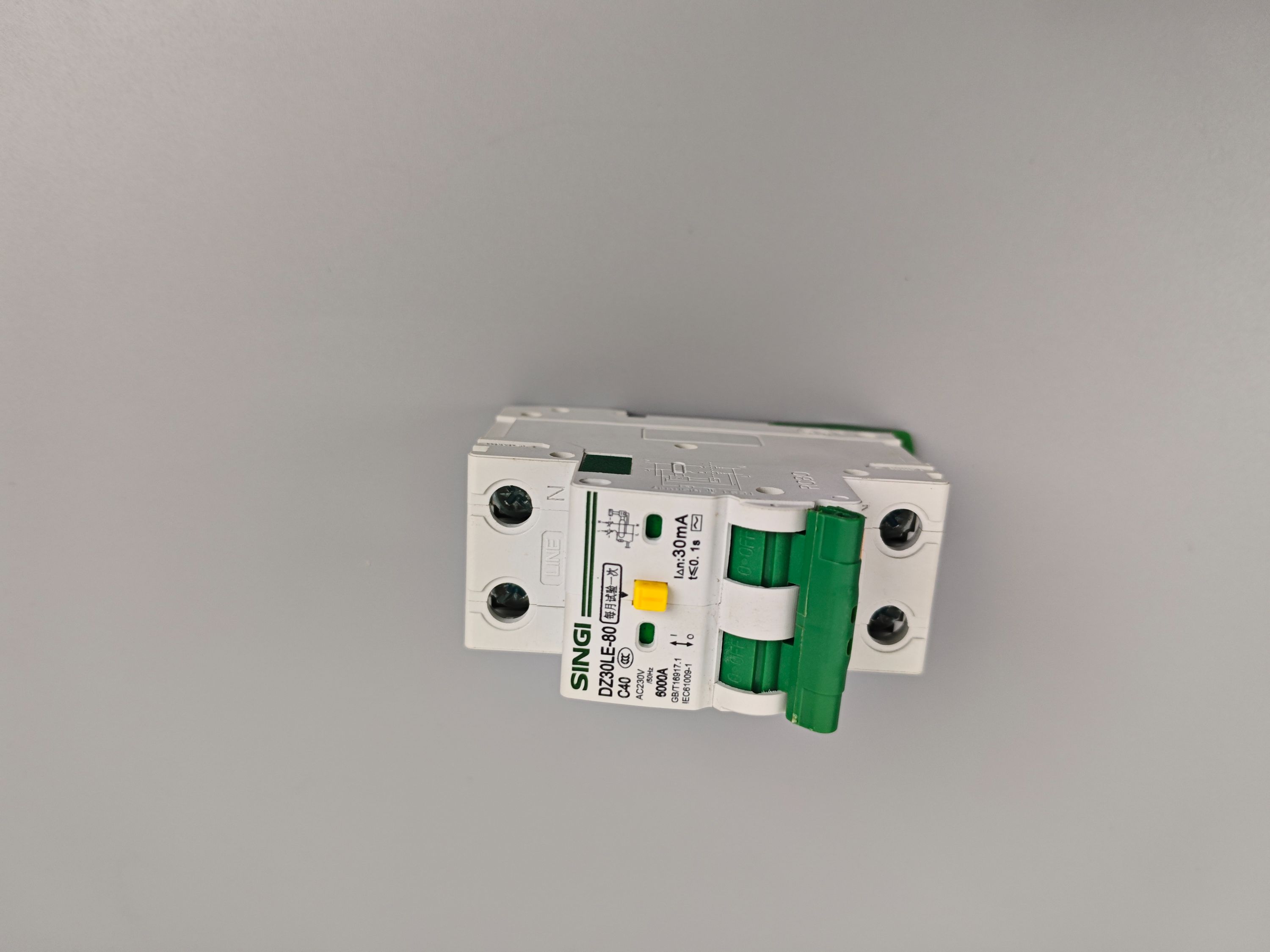
When it comes to ensuring the safety and reliability of Residual Current Circuit Breakers with Overcurrent Protection (RCBOs) manufactured in China, a robust framework of standards and testing protocols plays a pivotal role. Chinese RCBOs adhere to both domestic and international regulations, such as the GB/T 16916 series and IEC 61009-1, which set stringent guidelines for performance, durability, and fault protection. Manufacturers often implement rigorous in-house testing that goes beyond basic compliance, including simulated extreme environmental conditions, repeated mechanical operations to check for wear, and advanced electrical analyses to detect even minor anomalies before products reach the market. This multi-layered approach helps prevent malfunctions in real-world applications, from residential homes to industrial setups, safeguarding against electrical hazards like short circuits and earth leakage.
Beyond standard certifications, many Chinese producers have embraced innovative testing methodologies to enhance quality assurance. For instance, some integrate automated testing systems that use artificial intelligence to analyze data on the fly, identifying patterns that human inspectors might miss. These systems can test thousands of units rapidly, ensuring consistency across production batches and reducing the risk of defects. Additionally, third-party laboratories frequently conduct periodic audits and random sample tests to verify compliance, providing an extra layer of scrutiny. This proactive stance not only boosts consumer trust but also helps manufacturers stay ahead in a competitive global market by continuously improving their products' performance metrics.
Looking ahead, the evolution of standards and testing for Chinese RCBOs is increasingly influenced by emerging trends such as smart grid technology and heightened environmental concerns. New protocols are being developed to address aspects like energy efficiency, compatibility with IoT devices, and resilience against cyber threats. By adapting to these changes proactively, Chinese companies are positioning their RCBOs as top-tier options worldwide, meeting diverse demands from modern infrastructure projects. Ultimately, this commitment to quality through dynamic standards and thorough testing ensures that users can depend on these devices for long-term safety and functionality, making them a reliable choice in electrical protection systems.
Innovation Trends: How Chinese Suppliers Are Advancing RCBO Technology
Chinese suppliers are rapidly transforming the landscape of Residual Current Circuit Breaker with Overcurrent Protection (RCBO) technology through significant investments in smart features and IoT integration, enabling remote monitoring and predictive maintenance. By collaborating with global research institutions and leveraging advanced materials, they are enhancing safety standards and efficiency, often at competitive prices that challenge established players in the market.
Innovation is further driven by the adoption of AI-powered diagnostics and miniaturization techniques, allowing for more compact and reliable RCBO units suitable for diverse applications, from residential to industrial settings. This focus on customization and user-friendly interfaces helps address specific regional energy demands while improving overall system resilience.
Through strategic partnerships and agile manufacturing processes, Chinese companies are accelerating product cycles, introducing features like enhanced surge protection and energy monitoring capabilities that set new benchmarks in the industry, fostering a dynamic ecosystem of continuous improvement and technological leadership.
Customization Options: Tailoring RCBO Solutions to Specific Needs
When it comes to integrating RCBOs into your electrical setup, a one-size-fits-all approach often falls short. That's where customization steps in—transforming these devices into tools that align perfectly with unique project requirements. Whether you're managing a sprawling industrial complex or a cozy residential retrofit, tailored RCBO solutions ensure that every breaker not only meets safety standards but also enhances operational efficiency. From adjusting sensitivity levels to match specific fault conditions to selecting enclosure types suited for harsh environments, the ability to fine-tune each component means your system works smarter, not harder.
Consider the nuances of load profiles and circuit configurations: a standard RCBO might handle basic overloads, but a customized version can be programmed for nuanced tripping curves or integrated with smart monitoring systems. This isn’t just about adding features; it’s about crafting a solution that responds to real-world challenges, like mitigating nuisance tripping in sensitive equipment or accommodating future expansions without costly upgrades. By collaborating with experts who understand both the technical specs and your operational goals, you unlock options that go beyond off-the-shelf products, delivering reliability where it matters most.
Ultimately, the power of customization lies in its flexibility—enabling you to prioritize aspects like durability, connectivity, or cost-effectiveness based on your needs. Imagine an RCBO that not only protects against electrical faults but also seamlessly interfaces with building management systems, providing insights that preempt issues before they escalate. This tailored approach ensures that every installation is more than just compliant; it’s optimized for performance, longevity, and peace of mind, turning potential vulnerabilities into strengths that support your specific vision.
Supply Chain Efficiency: Sourcing and Logistics from Chinese Suppliers
Working with Chinese suppliers offers unparalleled opportunities for streamlining procurement and distribution, but it requires a nuanced approach to both sourcing and logistics. When sourcing, companies often benefit from China's vast manufacturing ecosystem and competitive pricing, yet they must prioritize supplier vetting to ensure quality and reliability. This involves on-site audits, compliance checks, and building long-term partnerships instead of just chasing the lowest bid. Additionally, leveraging technology like supply chain management software can enhance transparency, allowing real-time tracking of orders and better communication with multiple suppliers across different regions.
Logistics from Chinese suppliers present both challenges and innovations that can drastically affect overall efficiency. Efficient shipping often depends on selecting the right mode—whether by sea, air, or rail—and optimizing routes to reduce transit times and costs. Many businesses are now incorporating strategies like consolidating shipments or using bonded warehouses to minimize customs delays. Moreover, the rise of e-commerce platforms and digital freight services has made it easier to manage international logistics, though navigating regulations and tariffs remains key to avoiding bottlenecks and keeping the supply chain agile.
To truly stand out in a competitive market, companies are adopting hybrid models that blend traditional sourcing with modern logistics solutions. This might involve setting up regional hubs in China to expedite distribution or integrating data analytics to predict demand fluctuations and adjust inventory proactively. By focusing on continuous improvement and adapting to local market dynamics, such as China's evolving trade policies, businesses can build a resilient supply chain that not only cuts costs but also enhances responsiveness to customer needs, ultimately driving long-term success in global operations.
Ensuring Compliance: Certifications and Safety Measures in China's RCBO Market
In China, the RCBO (Residual Current Circuit Breaker with Overcurrent Protection) market is heavily regulated to ensure the highest safety standards for electrical installations. Manufacturers must navigate a complex landscape of mandatory certifications, such as the China Compulsory Certification (CCC) mark, which is essential for all products sold domestically. This certification process involves rigorous testing by authorized bodies to verify that RCBOs meet strict technical specifications regarding electrical performance, durability, and reliability. Without this mark, products cannot legally enter the market, emphasizing China's commitment to reducing electrical hazards and protecting consumers from substandard equipment.
Beyond CCC, additional certifications like the Voluntary Product Certification (VPC) or international standards such as IEC/EN 61009-1 are often pursued by companies aiming to differentiate themselves and expand into global markets. These measures help build trust among users, from residential homeowners to industrial clients, by demonstrating compliance with both local and international safety protocols. The emphasis on certification has led to innovations in RCBO design, with manufacturers integrating enhanced features like surge protection and arc fault detection, making these devices more versatile and reliable in diverse applications across China's rapidly modernizing infrastructure.
To further bolster safety, ongoing measures include regular market surveillance and inspections by authorities like the State Administration for Market Regulation (SAMR). This proactive approach ensures that certified RCBOs in the field continue to perform as intended, addressing potential issues before they escalate into safety incidents. As urbanization accelerates and smart technologies become more integrated into electrical systems, China's RCBO market is poised to evolve, with a clear focus on compliance and innovation that safeguards both property and lives, setting a benchmark in electrical safety management.
FAQ
Focus on certifications like CE and CCC, review client testimonials, and evaluate their production capacity to ensure reliability and compliance with international standards.
They implement stringent quality control processes, including multiple testing phases, use of high-grade materials, and regular audits to maintain consistency and safety.
Yes, many leading manufacturers offer customization options for specifications such as current ratings, trip curves, and branding, tailored to specific market needs.
Lead times generally range from 2 to 6 weeks, depending on order quantity, customization requirements, and the manufacturer's current workload.
They often provide comprehensive logistics support, handling packaging, documentation, and shipping arrangements to major global ports, with options for air or sea freight.
Costs are affected by material quality, order volume, customization level, and market demand, with competitive pricing often available for bulk purchases.
Potential challenges include language barriers, cultural differences, and navigating import regulations, but these can be mitigated by working with experienced suppliers and agents.
Conduct factory visits if possible, request samples for testing, check their business licenses and industry certifications, and seek references from other clients.
Conclusion
China is home to numerous leading RCBO manufacturers renowned for their robust production capabilities and profiles across diverse industrial segments. These suppliers excel in customization, offering tailored solutions to meet specific application needs, while also driving innovation trends to advance RCBO technology. By integrating efficient supply chain practices, they ensure streamlined sourcing and logistics, making them reliable partners in the global market.
Quality assurance is a cornerstone of China's RCBO market, with stringent standards and testing protocols in place to maintain high product integrity. Suppliers prioritize compliance through certifications and safety measures, adhering to international norms to guarantee reliability. This commitment to excellence, combined with continuous technological advancements and adaptable manufacturing processes, positions Chinese RCBO suppliers as top-tier choices for quality-driven solutions.
Contact Us
Contact Person: Jack
Email: [email protected]
Tel/WhatsApp: (+86) 13757759651
Website: https://www.singi.com