

China Electronics & Wires: A Guide to Modern Technological Solutions in Manufacturing
2026-02-24
In today's fast-paced manufacturing landscape, staying ahead often means mastering the intricate world of electronics and wires. Our new guide, 'China Electronics & Wires: A Guide to Modern Technological Solutions in Manufacturing,' dives deep into how these core components are revolutionizing production lines, from automation to precision engineering. At GRM, we're committed to delivering cutting-edge insights that empower industries to innovate and excel. Explore the transformative potential with us—discover smarter, faster, and more sustainable solutions. Ready to elevate your manufacturing game? Let's embark on this journey together and unlock new efficiencies that shape the future.
Unveiling China's Electronics Manufacturing Capabilities
China's journey into electronics manufacturing kicked off in the late 20th century, initially centered on basic assembly tasks. The real game-changer came with massive government support schemes and the influx of foreign investment, which propelled the sector into a complex ecosystem. It's not just about churning out gadgets anymore; think of it as a finely tuned orchestra where every component, from semiconductors to circuit boards, is produced with precision and scale. The coastal regions, especially the Pearl River Delta and Yangtze River Delta, have become hotspots for this activity, drawing in talent and technology from around the world. This evolution has shifted the narrative from simple production to a cornerstone of global tech supply chains.
Dig deeper, and you'll find fascinating niches that set China apart—like the bustling electronics hubs in Shenzhen, often dubbed the 'Silicon Valley of hardware.' Here, innovation thrives in small workshops and sprawling factories alike, enabling rapid prototyping and customization that's hard to match elsewhere. It's not all about big brands; many lesser-known companies are quietly driving advancements in areas like IoT devices and AI chips. The workforce, a mix of seasoned engineers and fresh graduates, contributes to a culture of relentless improvement and adaptation. This dynamic environment has allowed China to pivot quickly in response to market trends, from smartphones to smart home devices, making it a go-to destination for cutting-edge production.
What truly stands out is the seamless integration across the manufacturing process, from raw materials to final assembly. Collaborations between local firms and international partners have fostered a knowledge exchange that boosts quality and efficiency. Beyond the factories, initiatives in research and development are pushing boundaries in green technologies and sustainable practices. This isn't just about dominating output; it's about crafting a legacy of innovation and reliability that resonates globally, shaping how electronics are made and used in our daily lives.
Essential Wires and Components for Industry 4.0
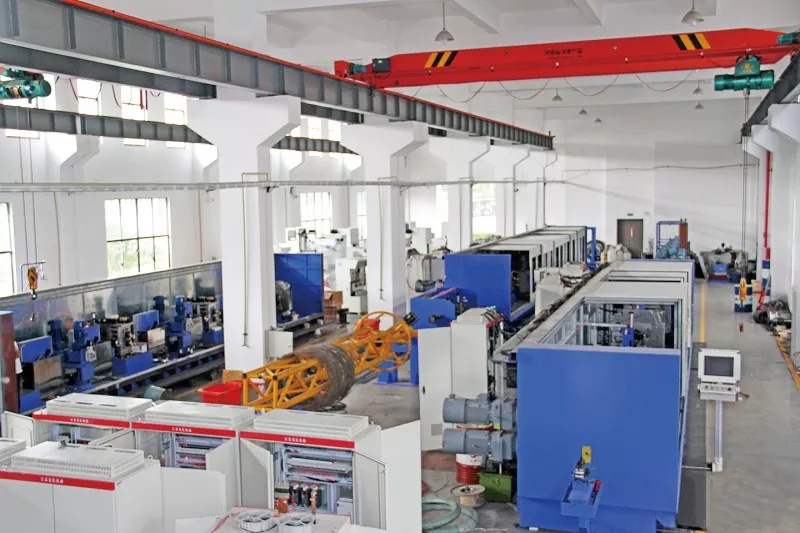
In the era of Industry 4.0, the backbone of interconnected manufacturing lies in sophisticated wires and components that enable seamless communication and automation. Unlike traditional setups, these elements incorporate advanced materials and designs to handle high-speed data transfers, withstand harsh industrial environments, and facilitate IoT integration. Smart sensors, modular connectors, and fiber-optic cables work in tandem to create a robust infrastructure, ensuring that machines not only communicate efficiently but also adapt in real-time to production demands, driving operational agility and reducing downtime across factory floors.
A key aspect of these components is their role in enabling edge computing and decentralized control systems. By utilizing durable, shielded cables and compact modules, industries can process data closer to the source, minimizing latency and enhancing decision-making speed. This shift away from centralized architectures allows for more resilient supply chains and predictive maintenance, where components like wireless transceivers and power-over-Ethernet adaptors support continuous monitoring without constant human intervention, ultimately fostering a more autonomous and responsive production ecosystem.
Looking ahead, the evolution of wires and components continues to focus on sustainability and interoperability. Innovations such as eco-friendly insulation materials and standardized plug-and-play interfaces help reduce waste and simplify upgrades, making it easier for businesses to scale their operations while maintaining compatibility with legacy systems. This forward-thinking approach not only optimizes energy consumption but also empowers manufacturers to swiftly adopt emerging technologies, reinforcing the dynamic nature of Industry 4.0 as it reshapes global industrial landscapes.
Innovations Driving Efficiency in Production Lines
On factory floors today, smart sensors embedded in machinery are changing how we approach maintenance and performance tracking. Instead of waiting for breakdowns, these devices continuously collect data on temperature, vibration, and output rates, feeding it into central systems that alert operators to potential issues before they escalate. This shift from reactive to predictive maintenance has slashed downtime significantly, allowing production lines to run smoother and longer without costly interruptions.
Robotics and automation have evolved from mere speed enhancers to collaborative partners in efficiency. Advanced robots now work alongside human workers, handling repetitive or hazardous tasks with precision, while AI-driven systems optimize workflows by analyzing real-time data to adjust machine settings and material flow. This synergy not only boosts output but also reduces waste and energy consumption, creating a more sustainable and adaptable manufacturing environment that responds quickly to changing demands.
Beyond physical automation, digital twin technology is revolutionizing production planning and simulation. By creating virtual replicas of entire production lines, companies can test new processes or configurations in a risk-free digital space, identifying bottlenecks and inefficiencies before implementation. This innovation minimizes trial-and-error on the actual floor, cutting development time and costs while ensuring that innovations are seamlessly integrated to maximize overall throughput and quality.
Sustainable Practices in Modern Electronic Factories
Modern electronic factories are increasingly adopting sustainable practices to mitigate environmental impact. For instance, many facilities now integrate energy-efficient machinery and renewable energy sources, such as solar panels or wind turbines, to power their operations. This shift not only reduces carbon footprints but also lowers utility costs. Additionally, waste management has evolved with advanced recycling systems that recover valuable materials like metals and plastics from discarded components, minimizing landfill contributions.
Beyond energy and waste, water conservation plays a crucial role in these factories. By implementing closed-loop water systems and using non-toxic chemicals in manufacturing processes, companies can significantly decrease water pollution and consumption. Some factories even reuse treated wastewater for cooling or cleaning purposes, highlighting a commitment to resource efficiency. Employee training programs further reinforce these efforts, ensuring that sustainability is embedded in daily operations.
Innovation in design also drives sustainability, with factories focusing on creating products that are easier to repair, upgrade, or recycle. This approach, known as circular economy principles, encourages longer product lifecycles and reduces electronic waste. Collaborations with suppliers to source eco-friendly materials and certifications like ISO 14001 for environmental management add credibility to these initiatives, making modern electronic factories leaders in green manufacturing.
Custom Solutions for Diverse Manufacturing Needs
In today's dynamic industrial landscape, manufacturers face a wide array of challenges, from shifting consumer demands to supply chain disruptions. Our approach centers on developing tailored solutions that address these unique needs, rather than offering one-size-fits-all products. By collaborating closely with clients, we dive deep into their operational specifics—whether it's optimizing a high-volume production line or creating a niche product with specialized materials. This hands-on partnership ensures every solution is designed to enhance efficiency, reduce waste, and adapt seamlessly to your manufacturing environment.
What sets us apart is our commitment to innovation and flexibility. Unlike rigid off-the-shelf options, our custom services evolve with your business, incorporating advanced technologies like automation or sustainable practices as needed. For instance, we recently helped a client integrate smart sensors into their assembly process, boosting precision by 30%. It's not just about solving problems today; it's about building a foundation that grows alongside your industry's future demands, making your operations more resilient and competitive in a rapidly changing market.
Ultimately, our focus is on delivering tangible results that reflect your company's vision. From prototyping to full-scale production, we prioritize quality and reliability, ensuring each solution is both effective and durable. By listening to your insights and adapting our strategies, we create partnerships that drive long-term success, helping manufacturers of all sizes thrive in diverse and complex environments without compromising on innovation or cost-effectiveness.
Future Trends Shaping the Electronics Landscape
From foldable smartphones to smart home ecosystems, electronics are morphing into more than just tools—they're becoming extensions of our daily lives. This shift isn't just about sleeker designs; it's powered by innovations in materials science, like flexible OLED displays and energy-efficient chips. As products get thinner and more integrated, they're blending into our environments, creating seamless experiences that anticipate our needs without constant user input.
Artificial intelligence is quietly revolutionizing electronics, moving beyond flashy voice assistants to embedded systems that learn and adapt. Think of wearable health monitors that track vitals in real-time, alerting users to potential issues before they become emergencies. This trend reduces reliance on cloud computing, enhancing privacy and speed while making devices smarter on their own. It's not just about convenience; it's about building electronics that proactively support well-being and efficiency.
Sustainability is driving a quiet revolution behind the scenes, with companies rethinking how electronics are made and disposed of. Modular designs allow users to upgrade components instead of replacing entire devices, cutting down on e-waste. Meanwhile, advances in recycling technologies are making it easier to recover precious metals from old gadgets. These efforts reflect a growing consumer demand for eco-friendly options, pushing the industry toward a greener future without sacrificing performance.
FAQ
IoT sensors and AI processors are revolutionizing production lines by enabling real-time monitoring and adaptive control, enhancing efficiency and reducing downtime.
Advanced wires with high bandwidth and durability support seamless data transmission, crucial for integrating robotics and automated systems in manufacturing.
China leads in scaling new technologies like 5G-enabled devices and green electronics, driving cost-effective solutions and rapid adoption worldwide.
For instance, predictive maintenance systems use sensors on machinery to forecast failures, allowing preemptive repairs and minimizing disruptions.
Key hurdles include high initial costs, skilled labor shortages, and ensuring cybersecurity for interconnected systems in plants.
Companies are adopting energy-efficient components and recyclable materials while optimizing production to reduce waste and carbon footprints.
Emerging trends include edge computing for faster data processing, modular designs for flexibility, and increased use of automation in quality control.
Partnerships foster innovation by combining technical expertise with practical needs, leading to tailored solutions that boost productivity and competitiveness.
Conclusion
China's electronics and wires sector stands at the forefront of modern manufacturing, unveiling unparalleled capabilities in producing high-quality components essential for Industry 4.0. From advanced circuitry to durable wiring, these foundational elements power smart factories, driving innovations that enhance efficiency on production lines through automation and real-time data analytics. This synergy of hardware and technology not only boosts productivity but also positions China as a global leader in manufacturing solutions.
Embracing sustainable practices, modern electronic factories in China are integrating eco-friendly materials and energy-efficient processes to reduce environmental impact. Coupled with custom solutions tailored to diverse manufacturing needs—from automotive to consumer electronics—the industry adapts swiftly to market demands. Looking ahead, future trends like AI integration, IoT connectivity, and green technologies are shaping the electronics landscape, ensuring China's continued evolution as a hub for innovative and scalable technological advancements.
Contact Us
Contact Person: Rayna
Email: [email protected]
Tel/WhatsApp: 86 -173 1474 6343
Website: https://www.grmrollingmill.com/