

Brewing Equipment Manufacturer Insights: Elevate Your Craft Brewing Setup Today
2026-05-17
When it comes to refining your craft brewery, the gear you choose can make or break every batch. As a trusted force in brewing innovation, DYE pulls back the curtain on what really elevates a setup from standard to standout. Prepare to see your brewhouse in a whole new light—one fresh insight at a time.
Unlocking Brewing Potential with Smart Equipment Choices
The journey from grain to glass is shaped as much by the tools you use as the ingredients themselves. When you start treating equipment selection as part of the creative process rather than a shopping list, whole new styles and techniques open up. A precision mash tun lets you play with step mashing in ways a simple cooler never could, pulling out delicate malt characters you’d otherwise miss. Temperature control that’s both accurate and forgiving means you can push yeast strains beyond their comfort zone, developing esters and phenols that define your signature brews.
Small upgrades often yield disproportionate rewards. Swapping a standard immersion chiller for a counterflow model doesn’t just shave minutes off brew day—it locks in hop aroma that volatile compounds steal away while the wort crawls through the danger zone. Pumps, valves, and quick disconnects might seem like plumbing trivia, yet they transform how you handle hot liquor, whirlpool additions, and oxygen-free transfers. The result isn’t just efficiency; it’s the ability to execute techniques that simply aren’t feasible with a bare-bones setup, like low-oxygen brewing or extended hop stands at precise temperatures.
The smartest choices aren’t always the priciest. Knowing when to invest and when to improvise is an art. A welded stainless fermenter feels professional, but a modified keg with a spunding valve can make world-class lagers if you understand pressure fermentation. The key is matching each piece of gear to a specific brewing goal. Whether you’re chasing crystal clarity, explosive hop expression, or that elusive soft mouthfeel, the right tools don’t just make the process smoother—they expand the horizon of what you can create.
How Innovative Design Streamlines Your Brew Day
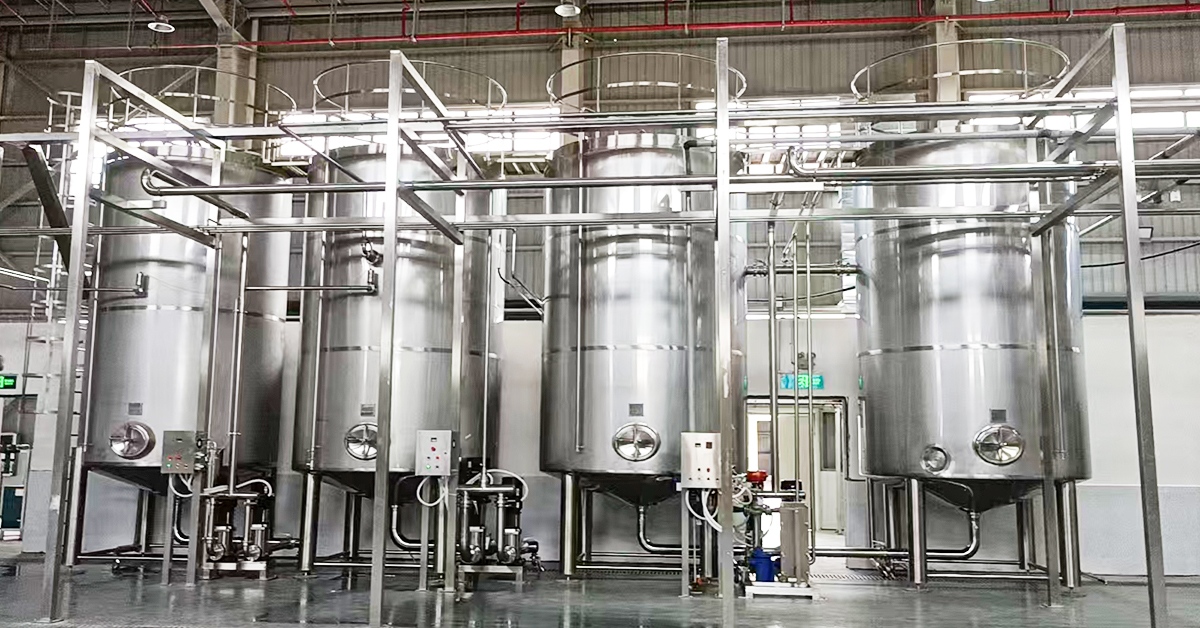
Gone are the days of juggling multiple clunky gadgets and watching the clock. Modern brewing systems are built with an intuitive flow that mirrors a chef's mise en place, ensuring everything you need is within arm’s reach and logically positioned. From integrated grain mills and pump-controlled sparging to one-touch temperature regulation, every step is orchestrated to reduce physical strain and mental clutter. You move through mashing, lautering, and boiling not as a series of frantic chores but as a seamless, enjoyable progression that keeps you focused on the craft, not the cleanup.
Thoughtful design shows up in the details that often go unnoticed until you’ve brewed on a system that lacks them. Recessed heating elements prevent scorching and simplify cleaning, while tilted kettle bases direct the last of the wort to the valve without dead space. Quick-connect hoses, smartphone app integration, and precision pump throttles let you adapt on the fly without interrupting the session. It’s this kind of practical ingenuity that transforms a six-hour commitment into a rhythm where each action flows naturally into the next, handing you back the most valuable ingredient of all: time.
Beyond speed and ease, innovative brewing design reconnects you with the sensory experience. When equipment fades into the background, you’re free to notice the subtle shift in aroma during hop additions, the rich color developing in the boil, or the satisfying clarity of the first runnings. By eliminating common pain points—messy wort transfers, unpredictable temperature swings, and cumbersome lifting—a well-designed setup turns your brew day into a creative ritual. It’s not just about making beer; it’s about crafting an experience where the process is as rewarding as the pint that follows.
Material Matters: Durability and Flavor Impact Explained
The vessel you cook in isn't just a container—it’s a silent partner that shapes every dish. Cast iron, for instance, develops a natural patina over years of use, subtly enriching sauces and seared meats with a depth that no factory coating can replicate. Meanwhile, reactive metals like unlined copper can impart a sharp, metallic edge to acidic ingredients, a nuance cherished in precise sugar work but disastrous in a slow-simmered tomato ragù.
Durability often walks hand in hand with flavor stewardship. A heavy clay pot, porous and seasoned by countless meals, breathes moisture into braises while absorbing and returning subtle aromatic notes from past feasts. Stainless steel, resistant and neutral, offers a clean canvas—but it requires fat or patience to prevent delicate proteins from bonding to its surface, a trade-off between longevity and culinary finesse.
Beyond the obvious, material choice dictates temperature’s rhythm. Enameled surfaces, tough yet forgiving, shield stews from the harsh scorch of direct flame, preserving bright vegetal notes that would otherwise turn bitter. Each scratch, stain, and polish mark tells a story of countless meals, making material not just a technicality but the emotional backbone of a kitchen’s memory.
Scaling Up Without Sacrificing Quality
Growth often brings a hidden risk: the very elements that made a business successful can start to erode when operations expand too quickly. In rushing to meet higher demand, corners get cut, oversight thins out, and the personal touch that early customers valued begins to fade. The challenge isn’t just about maintaining standards—it’s about building a framework where quality can flourish at any volume. That means defining what quality truly means for your organization, then embedding those principles into every step, from hiring to production to customer feedback loops.
Practical strategies make this possible without stifling momentum. Start by codifying the tacit knowledge of your best people into clear, repeatable processes that still leave room for judgment. Invest in ongoing training that sharpens skills rather than just enforcing checklists, and use technology to handle repetitive tasks while freeing humans to focus on nuanced decisions. Regular, informal check-ins with teams and customers often catch decline early—long before metrics might signal trouble. Scaling then becomes a deliberate act of multiplication, not a gamble on watered-down execution.
Hidden Costs of Outdated Brewing Systems
Many breweries overlook the slow drain on resources caused by aging equipment. An outdated system often requires more frequent repairs, leading to unexpected downtime and lost production hours. These interruptions aren't just inconvenient—they chip away at your bottom line, turning what seems like a minor glitch into a significant profit leak over time.
Energy inefficiency is another silent culprit. Older brewing setups can consume excessive water and power, driving up utility bills far beyond what modern alternatives demand. Without real-time monitoring or automated controls, you're likely using more than necessary for heating, cooling, and cleaning, which adds substantial operating costs that rarely get the attention they deserve.
Beyond direct expenses, there's the hidden impact on product quality and team morale. Inconsistent temperatures or manual processes can lead to batch variations, increasing waste and undermining your brand's reputation. Meanwhile, your staff spends valuable time wrestling with finicky valves or makeshift fixes instead of focusing on innovation and craft—costs that never show up on a spreadsheet but are felt every day.
Tailoring Your Setup for Unique Craft Recipes
Every craft maker knows that the right setup can turn a simple idea into something extraordinary. When you're chasing unique brew recipes, your workspace shouldn't just be functional—it should feel like an extension of your creativity. Start by thinking about the little bottlenecks that slow you down, whether it's a cluttered countertop or tools that never seem to be within arm's reach. Small tweaks, like dedicating a magnetic strip for metal stirrers and strainers, or mounting a pegboard for hanging infusers and scoops, can shave minutes off your process and keep your flow unbroken. It's not about buying the fanciest gear; it's about arranging what you have so that every motion feels deliberate and effortless.
Lighting and space also play a sneaky role in how your recipes turn out. Harsh overhead bulbs can cast shadows that make it hard to judge the color of a steeping infusion, so consider a soft, adjustable lamp near your brewing station. If you're short on room, a rolling cart with a heat-resistant top can become your dedicated experimentation hub—easy to tuck away but always ready when inspiration strikes. The goal is to create a nook where trial and error feels inviting, not frustrating. When your environment aligns with your craft, even a failed batch teaches you something, and the next unique recipe is just around the corner.
FAQ
Honestly, you can't go wrong starting with a solid mash tun. It's the heart of mashing grains, and getting a well-insulated one pays off in consistency. But don't cheap out on the kettle either—those two form the backbone of your brewhouse.
You'll feel it when demand outstrips your turnaround. If your fermenters are always full and you're still turning away orders, or if your staff is working double shifts just to keep up, it's time. Look at your sales trend over six months—if it's a steady climb, make the jump before you burn out.
It depends on your goals. If you want to produce the same lager can after can with minimal hands-on time, automation is a game-changer. But if you thrive on tweaking recipes on the fly and enjoy the hands-on craft, a manual system might keep you closer to the process. Either way, good temperature control is non-negotiable.
Skimping on floor drains and hose bibs. Seriously. You'd be surprised how many folks design a gorgeous system, then realize they have to hose everything down with one awkward faucet and the floor slopes toward the walkway. Plan for water flow and cleaning access first—your future self will thank you.
Stainless steel is the industry standard for good reason—durability, easy sanitation, no oxygen permeability. Plastic conicals can work for pilot batches, but they scratch easily, harbor bacteria, and need kid-glove handling. Invest in good stainless fermenters if you're serious about producing clean beer at scale.
Absolutely. Some smaller, regional fabricators produce excellent, customized gear that rivals the big players. Look for someone who understands your brewing philosophy, uses quality welds, and offers solid after-sales support. Visit their shop if you can, talk to their other clients, and trust your gut—relationships matter more than a fancy brochure.
Conclusion
Elevating your craft brewing setup starts with a deep look at how equipment shapes every pint. Smart choices go beyond shiny tanks—they unlock the subtle layers of your recipes. When you match your system to your brewing style, from precise temperature control to modular configurations, you stop fighting limitations and start coaxing out richer aromas and cleaner finishes. Innovative design turns a cluttered brew day into a smooth, almost meditative flow: thoughtfully placed valves, ergonomic layouts, and automation that actually helps rather than confuses. And materials are far from an afterthought. Stainless steel grades, copper accents, or gasket compositions directly touch your beer, affecting everything from metallic off-flavors to how your IPA’s hop character lingers on the tongue. Getting this foundation right means every batch tastes intentional, not accidental.
Scaling up is where many brewers feel the crunch, but the right equipment lets you multiply your volume while tightening consistency. A system built for growth integrates seamlessly with larger fermenters and faster chilling, keeping your flagship stout just as complex when you quadruple the run. Meanwhile, outdated gear quietly drains your profits through inefficient energy use, constant repairs, and labor hours lost to guesswork. Hidden costs like oversized glycol loops or undersized heat exchangers add stress that shows up in the final glass. Tailoring your setup to your unique recipes—maybe an open fermenter for funky saisons or a hop back for aromatic depth—transforms your brewhouse into a creative studio. Today’s manufacturing insights urge you to view equipment not as a cost, but as the co-author of every beer you pour.
Contact Us
Contact Person: Ada Xu
Email: [email protected]
Tel/WhatsApp: 0577-86806088
Website: https://www.dayuwz.com/