

Best Paving Tiles: Natural and Durable Choices for Your Outdoor Space
2026-04-21
When it comes to transforming your outdoor living space, the right paving tiles can make all the difference. Whether you're envisioning a sleek patio for entertaining or a rustic garden path that blends seamlessly with nature, choosing materials that are both beautiful and built to last is key. In this blog, we'll explore some of the best paving tile options that offer natural aesthetics and exceptional durability. For those seeking premium quality and innovative designs, Beata Ceramics provides a standout selection that combines style with resilience. Get ready to discover how the perfect tiles can elevate your outdoor area—read on to find inspiration and practical tips for your next project!
Discover the timeless elegance of natural paving stones
Imagine stepping into a garden where each stone tells a story of earth's ancient artistry. Natural paving stones, hewn from quarries rich with history, bring a sense of permanence and beauty that synthetic materials can't replicate. Their unique textures and hues evolve with time, developing a patina that only enhances their charm, making every pathway feel like a journey through nature itself.
Unlike uniform options that can feel sterile, these stones celebrate individuality. Each piece varies in color, from warm terracotta tones to cool slate grays, and in shape, creating organic patterns that invite creativity. They adapt seamlessly to both rustic retreats and modern landscapes, offering durability that withstands seasons while softening edges with a lived-in elegance.
Beyond aesthetics, natural paving stones connect spaces to the environment, fostering a harmony that feels both grounded and inviting. Whether lining a cozy patio or a grand driveway, they transform ordinary surfaces into showcases of timeless style, proving that sometimes, the best design comes straight from the earth.
Enhance outdoor durability with weather-resistant tile options
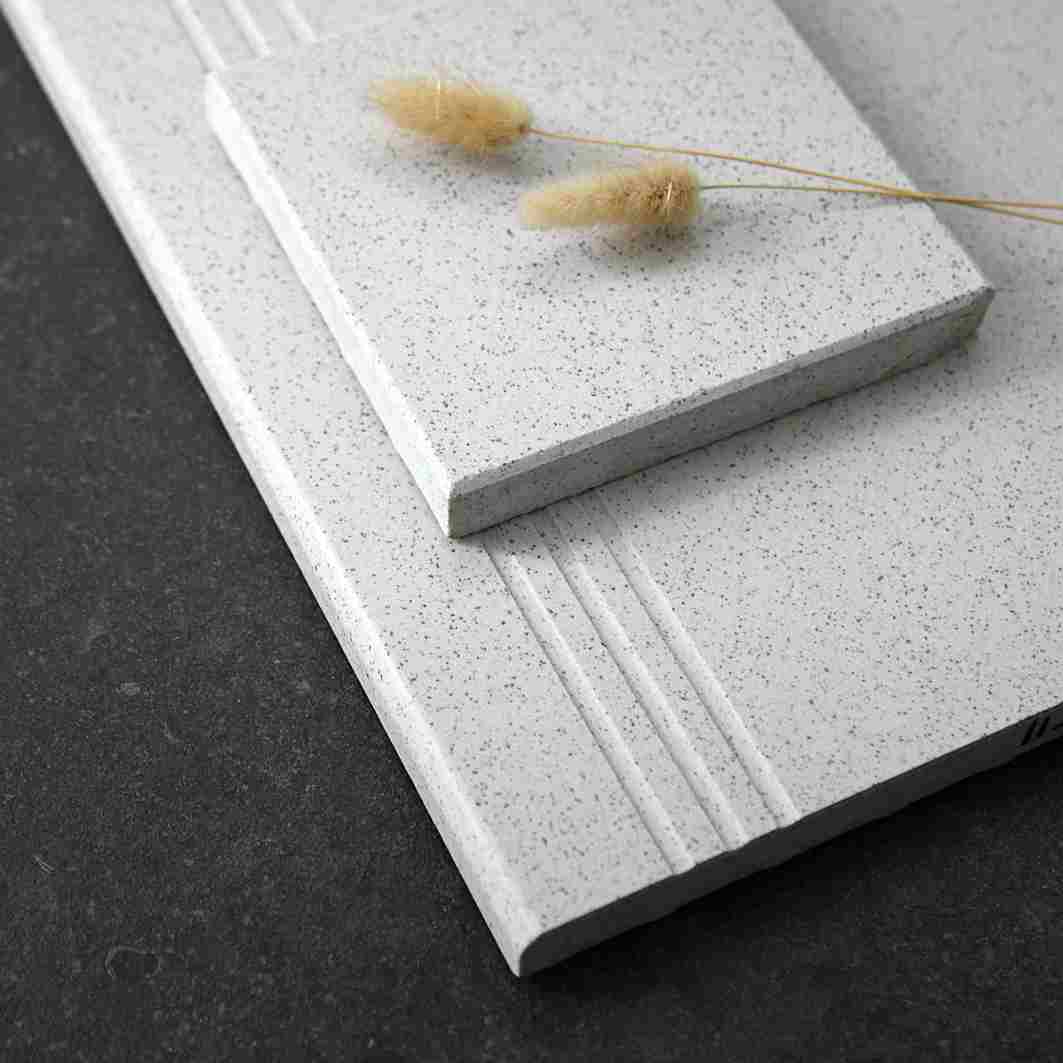
When selecting tiles for outdoor spaces, durability against the elements is paramount. Weather-resistant options are specifically engineered to withstand temperature fluctuations, moisture, and UV exposure without compromising their aesthetic appeal. From porcelain to natural stone, these materials provide a robust foundation that resists cracking, fading, and wear over time, ensuring your patio or walkway remains beautiful and functional through seasons of rain, sun, and snow.
Innovations in tile technology have expanded the choices available, offering not just resilience but also enhanced safety features. Many weather-resistant tiles come with slip-resistant surfaces, making them ideal for pool surrounds or wet areas. Additionally, their low maintenance requirements mean less time spent on upkeep and more time enjoying your outdoor retreat, whether it's a cozy balcony or an expansive garden pathway.
Beyond practicality, these tiles can elevate the design of any outdoor setting. With a wide range of colors, textures, and patterns, they allow for creative expression while ensuring long-term performance. By investing in weather-resistant tiles, you're not just protecting your investment from the elements; you're creating a lasting, stylish space that adapts to both your needs and the changing weather, blending seamlessly with nature's rhythms.
Creative design ideas for patio and pathway transformations
Transform your outdoor space by integrating natural elements like river rock or reclaimed wood into pathways, creating a rustic yet modern feel that blends seamlessly with the garden. For patios, consider mixing materials such as brick and stone to add texture and visual interest, while incorporating built-in seating or fire pits to enhance functionality and social appeal.
Elevate your patio with vertical gardens or hanging planters, which not only save space but also introduce lush greenery and color. For pathways, experiment with geometric patterns using pavers or mosaic tiles to guide the eye and create a dynamic flow, making every step an engaging experience that reflects your personal style.
Incorporate lighting elements like solar-powered lanterns or LED strips along pathways to ensure safety and ambiance after dark, transforming nighttime use. On patios, play with levels and tiers using raised platforms or sunken areas to define zones for dining, lounging, or gardening, adding depth and character to your outdoor haven.
Eco-friendly paving solutions for sustainable landscaping
When it comes to creating outdoor spaces that harmonize with nature, eco-friendly paving isn't just a trend—it's a practical necessity for sustainable landscaping. Gone are the days of opting for conventional concrete that contributes to urban heat islands and stormwater runoff. Today, options like permeable pavers, made from recycled materials such as rubber or reclaimed concrete, allow water to seep through, replenishing groundwater and reducing erosion. This approach not only supports local ecosystems but also helps manage water sustainably, making your garden or pathway a small part of a larger environmental solution.
Beyond permeability, materials like natural stone, gravel, or decomposed granite offer low-impact alternatives that blend seamlessly into the landscape. These choices often require less energy to produce and transport, cutting down on carbon emissions. Plus, they provide a rustic, organic look that enhances biodiversity by allowing native plants to thrive in the gaps. Imagine a pathway where wildflowers peek through the cracks, adding color and supporting pollinators—it's a win for both aesthetics and ecology.
What really sets these solutions apart is their long-term benefits. For instance, using locally sourced pavers reduces your project's environmental footprint, while designs that incorporate green spaces or rain gardens alongside paving can further improve air quality and reduce temperatures. In urban settings, this translates to cooler, more livable areas that encourage outdoor activity. By choosing eco-friendly paving, you're not just building a surface; you're crafting a resilient landscape that adapts to climate challenges and enriches community well-being for years to come.
Comparing the longevity of various outdoor tile materials
When planning an outdoor space, it's crucial to choose tile materials that can stand the test of time and harsh weather conditions. Longevity isn't just about durability; it's about how well a material retains its appearance and structural integrity over years of exposure to sun, rain, and temperature swings. Different tiles offer varying lifespans, influenced by factors like porosity, hardness, and maintenance requirements, making it essential to compare options like natural stone, porcelain, and concrete carefully.
Natural stone tiles, such as granite and slate, are renowned for their longevity, often lasting decades with proper care. Granite, for instance, is extremely hard and resistant to scratches and weathering, but it may require sealing to prevent staining. Slate offers a rustic charm and good slip resistance, yet its layered structure can lead to flaking in freeze-thaw cycles. In contrast, porcelain tiles have gained popularity for outdoor use due to their low porosity and high resistance to moisture and fading. They mimic natural materials convincingly while outperforming them in consistency and ease of maintenance, with lifespans that can rival stone when installed correctly.
Concrete pavers and ceramic tiles present more varied longevity profiles. Concrete is affordable and versatile, but its porosity makes it susceptible to cracking in cold climates if not properly treated. Sealed concrete can extend its life significantly. Ceramic tiles, while less common outdoors due to higher water absorption, can work in covered areas but may chip or crack under heavy foot traffic. Ultimately, the best choice depends on your climate, usage, and aesthetic preferences, with porcelain often emerging as a top contender for balanced longevity and low upkeep.
Maintenance tips to preserve your paved surfaces for years
Your paved surfaces are more than just a path – they're an investment in your property's curb appeal and functionality. To keep them looking sharp and performing well for years, a little proactive care goes a long way. Start by regularly sweeping away debris like leaves, dirt, and twigs; these might seem harmless, but they can trap moisture and encourage weed growth or staining. For driveways or patios, consider using a pressure washer once or twice a year to blast away grime, but be gentle – too high a setting can erode the surface over time. Don't forget to inspect for cracks or uneven spots early, as small issues can quickly escalate into costly repairs if left unchecked.
When it comes to sealing, timing is everything. Applying a quality sealant every few years can be a game-changer, protecting against water damage, oil stains, and UV fading. It's not just about slapping on a coat; wait for dry, mild weather, and ensure the surface is completely clean and dry beforehand. Think of it like giving your pavement a protective shield that repels the elements while enhancing its color and texture. If you notice weeds poking through, tackle them promptly with a safe herbicide or by pulling them manually – letting them take root can lead to bigger gaps and instability.
Finally, adapt your maintenance to the seasons. In colder climates, avoid using harsh de-icing salts that can corrode the material; opt for sand or pet-friendly alternatives instead. During hot spells, be mindful of heavy objects that might leave marks or cause settling. By incorporating these simple habits into your routine, you'll not only extend the life of your paved areas but also maintain that fresh, inviting look that adds value to your home. It's all about staying ahead of the wear and tear with smart, consistent effort.
FAQ
Natural stone paving tiles provide a unique, elegant appearance with texture that mimics nature, enhance durability against weather and heavy foot traffic, and often require less maintenance due to their sturdy composition and resistance to fading or damage.
Opt for materials like granite, slate, or porcelain, which are known for high density and low porosity, ensuring they withstand freeze-thaw cycles, moisture, and wear. Also, consider tiles with slip-resistant surfaces and proper thickness for added longevity.
Limestone, sandstone, and travertine are popular for their earthy colors and patterns, offering good traction and heat resistance. Bluestone is also a top pick for its sleek look and ability to handle high-traffic areas while maintaining a natural charm.
Yes, look for reclaimed stone or recycled materials like rubber or glass composite tiles, which reduce environmental impact. Some manufacturers also produce tiles with sustainable sourcing and low-emission production methods, ensuring both eco-friendliness and strength.
Regularly sweep to remove debris, clean with mild soap and water to prevent stains, and apply a sealant every few years to protect against moisture and UV damage. Avoid harsh chemicals and high-pressure washing to preserve the tile's surface integrity.
Start with a well-compacted base of gravel and sand, use proper edging to contain the tiles, and lay them with consistent spacing and leveling. For added stability, consider using mortar or adhesive in high-stress areas, and always follow manufacturer guidelines for your specific tile type.
Conclusion
When considering outdoor paving tiles, natural stone offers unparalleled elegance and durability that transcends fleeting trends. These materials, such as granite, slate, and limestone, provide a timeless appeal that enhances any patio or pathway, blending seamlessly with the surrounding environment. Beyond aesthetics, their inherent weather resistance ensures they stand up to harsh elements, from heavy rain to intense sun, making them a reliable choice for long-term use. By selecting from a variety of textures and colors, homeowners can achieve unique design transformations that reflect personal style, while also contributing to sustainable landscaping through eco-friendly options like permeable pavers that reduce runoff. Comparing materials reveals that while some may require more maintenance, their longevity often outweighs initial costs, proving a smart investment over synthetic alternatives.
To maintain these paved surfaces for years, simple yet effective care practices are essential, such as regular cleaning and sealing to prevent stains and weathering. This not only preserves the natural beauty but also extends the lifespan, ensuring outdoor spaces remain inviting and functional. By integrating creative design ideas with durable, eco-conscious choices, you can create a harmonious outdoor area that combines practicality with aesthetic charm, making it a standout feature of any home. Ultimately, the best paving tiles balance natural elegance with robust performance, offering solutions that adapt to both modern needs and timeless appeal, transforming ordinary spaces into enduring outdoor retreats.
Contact Us
Contact Person: Emma
Email: [email protected]
Tel/WhatsApp: 8618064423698
Website: https://www.beataceramics.com/