

Best Calcium Chloride 94% Prills for Fast-Acting Ice Melting and Dust Control
2026-10-29
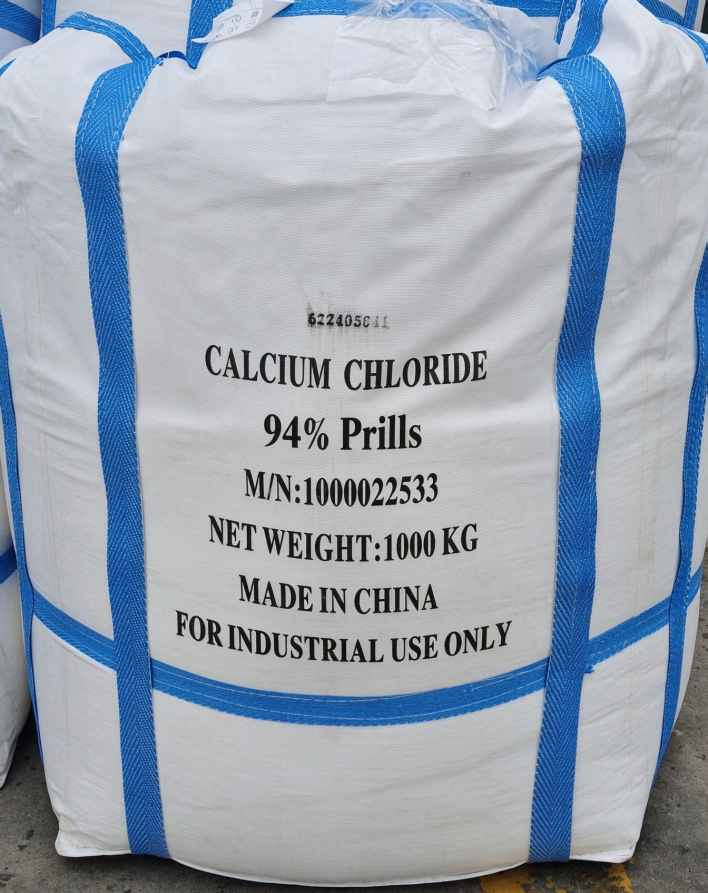
Not all calcium chloride prills are created equal—94% purity isn't just a number, it's the difference between ice that melts now and ice that lingers. For fast-acting ice melting and dust control that holds up in brutal cold, Shouguang Golden Chemical delivers prills that work harder and last longer. Before you stock up for winter, here's what makes their formula a cut above.
The Fast-Acting Difference of 94% Calcium Chloride Prills
Unlike standard rock salt, 94% calcium chloride prills kick off an exothermic reaction the moment they touch ice or packed snow. That immediate burst of heat is not just a lab curiosity—it quickly forms a strong brine that bores through the frozen surface and starts breaking the bond between pavement and ice. The high purity means fewer inert fines, so nearly every prill works on contact instead of sitting idle.
This fast action holds up at temperatures where other deicers slow to a crawl. While ordinary salt struggles below 20°F, calcium chloride keeps generating liquid brine down to around -25°F. The spherical prill shape also spreads evenly and embeds into ice rather than bouncing off, so the reaction starts where it matters most—at the pavement interface, not on top of the ice.
In practice, that speed translates to less product needed, shorter reapplication cycles, and quicker return to safe surfaces. Crews see visibly wet, slushy conditions within minutes, not hours. That functional difference comes from chemistry and particle design working together, not just a marginal bump in concentration.
Getting Even Coverage on Walkways Without Overapplying
Walkways tend to collect heavy product deposits right at the edges and in low spots, simply because that's where we slow down or pause. Before you begin, do a quick dry run with an empty spreader or sprayer to find a walking speed you can hold comfortably across the whole path. That speed is your baseline—changing it mid-application is what usually causes streaks and bare patches.
I prefer to apply granular materials in two lighter passes at a 45-degree angle to each other rather than one heavy pass straight down the middle. It breaks up the natural tendency to overlap too much near the center and too little near the borders. For liquids, keep the spray tip about a foot and a half above the surface and use the outer third of the fan as your visual guide for the next pass.
If you catch yourself going back over the same section because it looks too light, resist that urge for a couple of minutes. A thin, even layer often looks insufficient right after application but settles and spreads slightly. Wait until the treated surface dries or absorbs, then walk the path and only spot-treat the obvious skips. You'll end up with cleaner edges and no crusty build-up.
Why Gravel Roads Stay Dust-Free Longer with Calcium Chloride
Calcium chloride pulls moisture straight from the air and locks it into the road surface. That thin, persistent film of water keeps fine particles glued to larger stones, so the slightest breeze no longer lifts a cloud of dust. Instead of constant regrading or watering, the road stays calm for weeks after a single application.
The effect goes beyond simple wetting. Because calcium chloride is hygroscopic, it attracts and holds water even on hot, dry afternoons when untreated gravel turns powdery. The moisture bonds with clay and silt, forming a stable crust that resists breaking apart under tires. You end up with a tighter, smoother surface that doesn't need daily maintenance to stay dust-free.
Over time this also reduces material loss. Dust isn't just a nuisance; it's the fine fraction of the gravel leaving the road. By keeping those particles in place, calcium chloride helps the road maintain its structure longer, which means fewer potholes and less fresh gravel to haul in.
How These Prills Keep Working When Other Ice Melters Quit
Most deicers rely on a single, fast-burning reaction that fizzles out as soon as the temperature drops below their working range. These prills are built differently: they release heat in stages, drawing moisture from the air and forming brine that keeps melting well past the point where rock salt turns to useless pellets. That staged release means less reapplication and fewer bare patches on walkways by morning.
The prill shape also matters more than it gets credit for. Instead of clumping into a crust that sits on top of the ice, the rounded granules work themselves into the surface, creating channels for melted water to drain away and expose fresh ice to the active ingredients. Even when the weather swings from freezing rain back to dry cold, the residual brine stays put and continues to break the bond between ice and pavement, so the surface stays clear without repeated shoveling.
That slow, steady draw of moisture also prevents the hard crust that forms with ordinary rock salt. Because each prill keeps reacting in contact with the pavement, the melted water doesn't refreeze into a slick glaze overnight. The result is a surface that stays manageable from the first pass until well after sunrise, even when other products have long since stopped working.
What to Do with Leftover Prills So They Don't Turn into a Brick
Leftover prills usually turn into a brick for one simple reason: they absorb moisture from the air, then dry into a fused mass. If you want to keep them loose, put the remainder into something with a genuinely tight seal. A mason jar with a fresh lid works better than a half-rolled bag. Add one or two silica gel sachets if you have them, or a folded paper towel sprinkled with dry rice. Press the lid down hard and store the container in a cool, dry corner instead of on a damp basement shelf.
Before sealing, take a minute to break apart any prills that already feel tacky. Shake the container gently after a day or two, then again once a week. That small movement stops weak clumps from setting. If a hard chunk does form, don't smash it with a hammer—tap it with the flat side of a wooden spoon until it crumbles, then separate the larger pieces with your fingers. Getting air away from the prills matters more than anything else, so the less headspace in the jar, the better.
For longer storage, skip the original bag entirely. A clean plastic bucket with a rubber-sealed lid gives you room to scoop out what you need without exposing the whole batch each time. Tuck a small desiccant pack under the lid and replace it whenever it feels damp or swollen. If you live somewhere humid, don't trust a clip or a twist tie; the prills will find that tiny gap and start caking within days. Move leftovers into small containers rather than one big one, so each jar gets opened only when you're ready to use it.
Prills vs. Flakes — Which Form Gives You Better Control
When you handle solid chemical additives, the physical form often determines how precisely you can dose and how consistently your process runs. Prills—those small, spherical beads—tend to flow more uniformly from hoppers and feeders, which means your metering equipment doesn't fight against bridging or rat-holing. Flakes, by contrast, have flat, irregular surfaces that interlock easily, so you might notice occasional clumping or uneven discharge, especially in humid environments. If your line requires tight feed rate tolerances, prills usually give you a steadier hand.
That said, flakes aren't automatically the weaker choice. Their high surface area relative to mass speeds up dissolution or melting, which can be a real advantage when you need rapid incorporation into a liquid batch. However, that same surface area also makes flakes more prone to absorbing moisture and caking during storage. Prills sacrifice some of that instant solubility but offer better long-term stability and less dust generation during transfer. The trade-off really comes down to your specific addition point: are you feeding a dry blend that needs to stay free-flowing, or are you dropping into a solvent where quick wetting matters more?
For most automated systems, the controlled geometry of prills translates into fewer operator interventions and more predictable bulk density. You'll see fewer fines, less segregation in the package, and a more reliable mass per unit volume. Flakes can still work well if you have a well-designed feeder and accept periodic manual checks, but the margin for error shrinks. When control is the metric that matters—whether it's dosing accuracy, dust suppression, or resistance to caking—prills tend to earn their place on the specification sheet.
FAQ
Rock salt struggles once temperatures drop into the teens, but these prills keep working well below zero. Because they release heat as they dissolve, they cut through packed snow and ice far faster, so you use less product and see bare pavement sooner.
It is actually a primary use. The prills pull moisture from the air and hold it in the road surface, which keeps fine dust from kicking up behind vehicles. A light application after grading can stabilize a gravel lane for weeks, especially in dry weather.
Aim for a thin, even layer rather than heavy clumps. Use a hand spreader or broadcast spreader set to a low opening, and sweep up any excess from sidewalks or curbs. Keeping it away from root zones and flushing treated areas with water after ice melts helps protect vegetation.
All chloride-based deicers can accelerate surface scaling on poor-quality or young concrete, but 94% prills are less likely to cause problems when used at recommended rates. For new concrete less than a year old, use sand for traction instead, and rinse nearby metal surfaces after the ice clears.
It generates enough heat to melt ice down to around -25°F (-32°C) in real-world conditions, which is far lower than most other deicers. Below that, you may still get some softening, but pairing it with sand or grit gives better traction.
Keep the bag tightly sealed and off concrete floors, preferably in a plastic bucket with a lid. Store in a dry spot away from humidity, because the prills absorb moisture aggressively. If they do clump, a quick strike with a rubber mallet usually breaks them apart.
Prills roll smoothly through spreaders and land exactly where you aim, so you get uniform coverage without wind drift. Flakes tend to clump and liquids need repeated passes, but prills give a steady release of moisture that lasts longer on gravel and reduces how often you need to reapply.
Conclusion
Calcium chloride at 94% concentration doesn't wait around. The prills hit ice or packed snow and immediately pull moisture from the air, creating a brine that generates real heat. That exothermic reaction is why a light scatter works faster than magnesium chloride or standard rock salt, and why it keeps melting at temperatures where those products freeze solid. On gravel roads, the same hygroscopic action draws enough moisture to keep the surface slightly damp, so dust stays down for weeks instead of hours. When a late-season storm rolls through, these prills still chew through ice long after cheaper blends have given up, mainly because the high purity leaves less residue to insulate the frozen layer.
Coverage matters more than dumping extra material. A handheld spreader set to a narrow opening lets you walk a straight line and fling prills in a low arc, so each pellet lands with spacing that melts outward instead of pooling. Prills beat flakes here because their round shape doesn't cling to the hopper sides or blow into the grass, giving you a predictable spread pattern. After the job, don't leave the bag rolled shut—the prills will absorb humidity and turn into a solid block. Pour leftovers into an airtight bucket with a rubber gasket lid and store it off the concrete floor. A desiccant pack helps, but the real trick is keeping the lid sealed tight between uses.
Contact Us
Contact Person: Tom Cui
Email: [email protected]
Tel/WhatsApp: +8618663670626
Website: https://www.jinjigoldenchem.com