
Alkyl Polyglucoside Distributor: Eco-Friendly Surfactants for Sustainable Industries
2026-03-08
In a world increasingly focused on environmental responsibility, industries are seeking innovative solutions that don't compromise performance for sustainability. This is where eco-friendly surfactants like Alkyl Polyglucosides (APGs) take center stage. As a leading POLYKEM distributor, we're excited to explore how these plant-derived, biodegradable surfactants are transforming sustainable industries. From cleaning products to agriculture, APGs offer a powerful alternative to traditional chemicals. Join us as we delve into why these green solutions are not just a trend, but the future of responsible manufacturing. What makes them so effective, and how can they benefit your business? Let's find out.
The Rise of Eco-Friendly Surfactants: APGs in Modern Industries
Increasing environmental regulations and consumer demand for sustainable products have fueled the adoption of alkyl polyglucosides (APGs) across various sectors. Derived from renewable resources like corn and coconut oil, these non-ionic surfactants offer a compelling alternative to traditional petrochemical-based compounds, which often raise concerns about toxicity and persistence in ecosystems. Their biodegradability and mild nature make them particularly attractive in personal care and cleaning formulations, where safety and eco-friendliness are paramount.
In modern industrial applications, APGs are proving versatile beyond household products, finding niches in agriculture as adjuvants that enhance pesticide effectiveness with reduced environmental impact, and in textiles for gentle yet efficient processing. Companies are increasingly integrating them into production lines not just for compliance, but also to leverage marketing advantages tied to green branding, as industries shift toward circular economy models that minimize waste.
Looking ahead, ongoing research aims to optimize APG performance in challenging conditions, such as high salinity or extreme temperatures, broadening their utility in heavy industries like oil recovery or construction. This evolution underscores a broader trend where green chemistry isn't merely a niche but a central driver of innovation, reshaping supply chains and operational standards worldwide.
Why Choose Alkyl Polyglucosides for Sustainable Applications
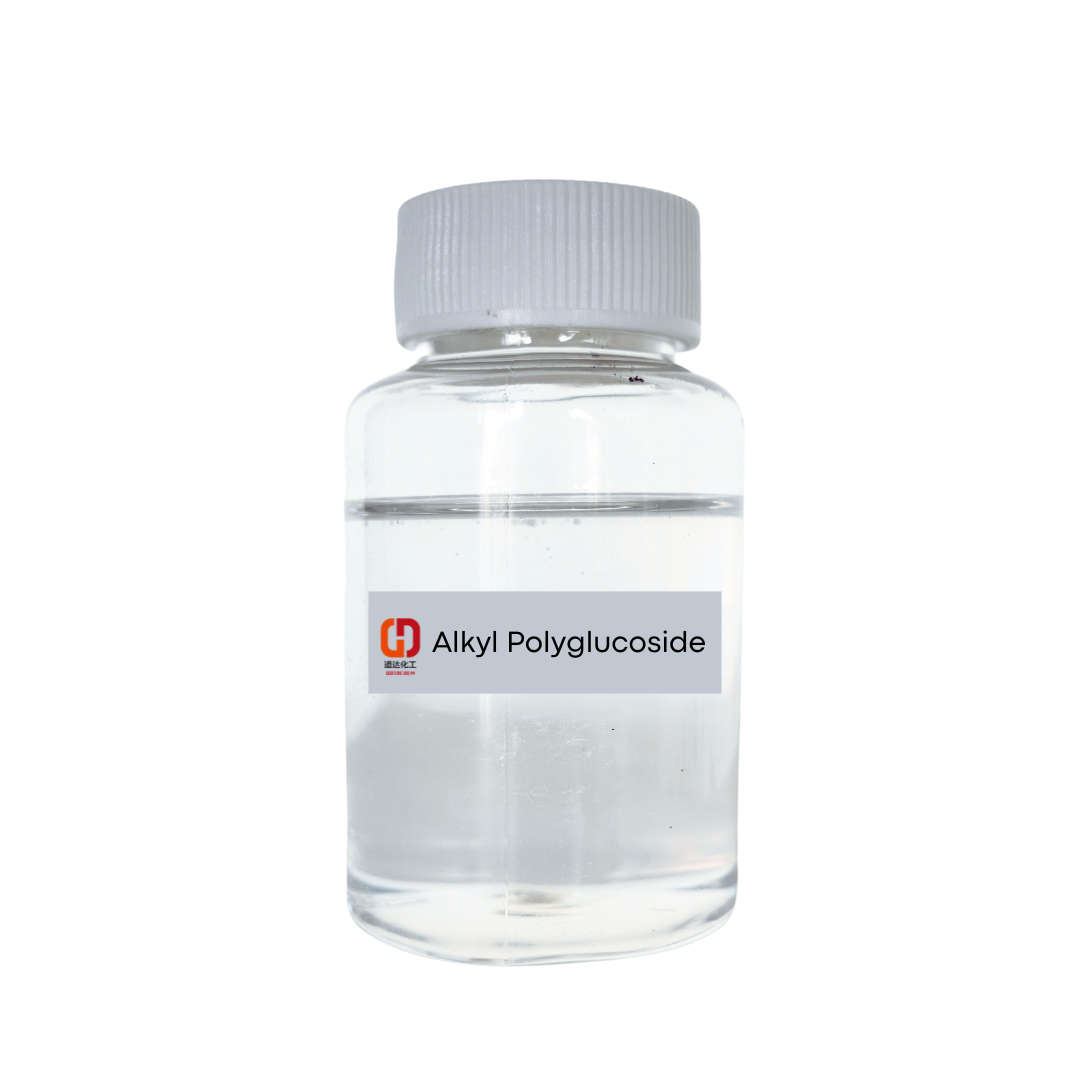
In the quest for eco-friendly solutions, alkyl polyglucosides stand out for their unique blend of performance and environmental compatibility. Derived from renewable resources like corn, sugar, or starch, these surfactants break down readily in nature without leaving persistent residues, making them a go-to choice for applications where minimizing ecological impact is key. Their gentle yet effective cleaning power suits everything from household detergents to industrial cleaners, often outperforming traditional petrochemical alternatives in biodegradability tests.
Beyond just green credentials, alkyl polyglucosides offer versatility that many sustainable options lack. They can be tailored for specific needs, such as enhancing compatibility with hard water or improving mildness in personal care products, without compromising on efficacy. This adaptability makes them ideal for industries prioritizing both sustainability and high performance, helping brands meet stringent regulatory standards while delivering reliable results to consumers.
Moreover, choosing alkyl polyglucosides supports a circular economy by reducing dependence on fossil fuels and fostering innovation in green chemistry. As awareness grows about the long-term benefits of such materials, they're increasingly seen as a strategic investment for future-proofing products against shifting market demands and environmental concerns, solidifying their role in sustainable applications.
Key Benefits of APGs: Performance and Environmental Safety
Automated parking garages (APGs) have transformed urban parking by seamlessly integrating performance with environmental stewardship. Unlike traditional lots, APGs use robotic systems to quickly and precisely park vehicles, slashing wait times and boosting operational efficiency. This streamlined process reduces idling and emissions, cutting down on air pollution in crowded city centers. By eliminating the need for drivers to circle for spots, APGs also decrease fuel consumption and noise, creating a quieter, cleaner environment. Their compact design further minimizes land use, preserving green spaces and enhancing urban aesthetics, making them a smart choice for sustainable development.
The performance edge of APGs lies in their advanced technology, which ensures reliable, high-speed parking with minimal human error. Automated systems handle vehicles carefully, reducing the risk of dings and scratches while optimizing space usage to fit more cars in a smaller footprint. Environmentally, this efficiency translates to lower energy demands—many APGs incorporate energy-saving features like LED lighting and smart ventilation, which curb electricity use and greenhouse gas emissions. By prioritizing both swift service and eco-friendly practices, APGs offer a dual benefit that appeals to modern cities aiming to balance convenience with ecological responsibility.
Beyond just parking, APGs contribute to broader environmental goals by promoting greener transportation habits. Their efficient layout encourages car-sharing and reduces traffic congestion, as vehicles are stored compactly without the need for wide aisles. This supports urban initiatives aimed at lowering carbon footprints and improving air quality. In performance terms, APGs excel in adaptability, easily integrating with smart city systems to provide real-time data and seamless user experiences. This blend of cutting-edge functionality and environmental care positions APGs as a forward-thinking solution, helping communities thrive without sacrificing the planet's health.
How Alkyl Polyglucosides Enhance Product Formulations
Alkyl polyglucosides (APGs) are making waves in product development, providing gentle yet effective solutions across industries. Derived from renewable sources like corn starch and coconut oil, these non-ionic surfactants offer excellent biodegradability and minimal environmental impact. Their unique structure allows them to blend seamlessly with various ingredients, enhancing stability and performance without harsh chemicals. This natural compatibility makes APGs a go-to for formulators aiming to meet consumer demands for eco-friendly and skin-friendly products.
In cleaning formulations, APGs excel by boosting cleaning power while reducing reliance on synthetic agents. Their ability to adjust surface tension and create stable foams leads to more efficient detergents and shampoos that rinse off easily, leaving minimal residue. This translates to products that not only clean effectively but also feel smoother and less irritating, appealing to users seeking both performance and comfort. It's this dual functionality that sets APGs apart in a crowded market.
For personal care and cosmetics, APGs contribute to formulations that are both mild and versatile. They help emulsify oils and water, ensuring creams and lotions maintain a consistent texture and don't separate over time. By improving spreadability and moisture retention, APGs elevate the user experience, making products feel luxurious while remaining gentle on sensitive skin. This adaptability supports creative product innovation, allowing brands to craft unique offerings that stand out without compromising on safety or quality.
Innovative Uses of APGs Across Different Sectors
In healthcare, APGs are revolutionizing patient care by enabling precise monitoring systems that track vital signs in real-time, allowing for early intervention in critical cases. Hospitals are integrating these devices into wearable technologies, which not only improve chronic disease management but also reduce hospital readmissions through continuous remote evaluation, providing a seamless link between patients and healthcare providers.
The manufacturing sector has adopted APGs to optimize supply chains and enhance operational efficiency. By embedding these programmable units into machinery, factories achieve predictive maintenance that minimizes downtime and lowers costs. In smart logistics, APGs facilitate automated inventory tracking, ensuring materials move smoothly from warehouse to production line with minimal human oversight, driving productivity gains across the board.
In environmental management, APGs are pivotal for sustainability efforts, such as monitoring air and water quality in urban areas to support data-driven policy decisions. These tools help cities implement adaptive waste management systems and energy grids, contributing to reduced carbon footprints and fostering greener, more resilient communities through actionable insights gathered from the field.
Partnering with a Trusted APG Distributor for Quality Assurance
When you collaborate with a reliable APG distributor, you gain more than just a supplier; you unlock a partnership that prioritizes quality at every step of the process. These distributors have deep-rooted relationships with manufacturers and adhere to stringent standards, ensuring that every component meets or exceeds industry benchmarks. This commitment to excellence translates into products that perform consistently and reliably, giving you peace of mind and reducing the risk of defects or failures in your operations.
Beyond compliance, a trusted APG distributor offers proactive support, such as regular audits, real-time quality monitoring, and customized testing protocols tailored to your specific needs. They don't just deliver parts—they work alongside you to identify potential issues before they arise, fostering a culture of continuous improvement. This collaborative approach not only safeguards your supply chain but also enhances operational efficiency and innovation, making it a strategic asset in today's competitive landscape.
In essence, partnering with a reputable APG distributor transforms quality assurance from a checklist into a dynamic, value-driven process. It builds trust through transparency, fosters long-term reliability, and ultimately ensures that your projects benefit from superior components and expert insights. Whether you're in manufacturing, construction, or technology, this alliance is key to achieving sustainable success and maintaining a strong reputation in your field.
FAQ
Alkyl Polyglucosides (APGs) are plant-derived, non-ionic surfactants that come from renewable resources like corn or coconut. They're biodegradable and have low toxicity, making them a go-to choice for green formulations in industries like cleaning and personal care.
APGs reduce environmental impact by breaking down quickly in nature without harmful residues. This supports circular economy goals, helping companies meet eco-standards while maintaining effective performance in products like detergents and agricultural sprays.
Cleaning products, cosmetics, agriculture, and textile processing are key sectors. For instance, in cosmetics, APGs offer mildness for sensitive skin, while in agriculture, they improve pesticide efficiency with less ecological harm.
Unlike synthetic surfactants, APGs are derived from natural sugars and fatty alcohols, offering better biodegradability and lower irritation risks. They perform well in hard water and are compatible with various formulations, providing a versatile edge.
A reliable distributor ensures consistent supply, quality control, and technical support. This helps businesses access high-purity APGs tailored to specific needs, reducing procurement hassles and supporting scalable, sustainable production.
Yes, APGs can be tailored by adjusting chain lengths or blending with other ingredients. Working with a distributor allows for custom solutions—like tweaking foaming properties for a dish soap or enhancing stability in a lotion—to fit unique applications.
In household cleaners, APGs have replaced harsher chemicals, cutting water pollution. In agriculture, they've reduced runoff toxicity. Cases like these show how switching to APGs can lower carbon footprints and boost brand eco-credentials.
Conclusion
The shift toward eco-friendly surfactants has accelerated in recent years, with Alkyl Polyglucosides (APGs) emerging as a leading choice for sustainable industrial applications. APGs, derived from renewable plant-based sources such as starch and fatty alcohols, offer a compelling alternative to traditional synthetic surfactants that often rely on petrochemicals. Their rise in modern industries is driven by increasing regulatory pressures and consumer demand for greener products, making them a versatile solution for sectors ranging from personal care to agriculture.
Choosing APGs for sustainable applications not only enhances environmental safety but also delivers high performance, including excellent foaming, wetting, and emulsifying properties. They integrate seamlessly into product formulations, boosting efficacy while minimizing ecological impact. Innovative uses span diverse sectors, from biodegradable detergents to gentle skincare formulations. Partnering with a trusted APG distributor ensures quality assurance, providing reliable supply chains and technical support to help industries adopt these eco-friendly surfactants effectively and responsibly.
Contact Us
Contact Person: Levi
Email: [email protected]
Tel/WhatsApp: +86 532 84688720
Website: https://www.polykem-intl.com