

A Few 5-Panel Baseball Caps Worth Recommending
2026-09-16
There's a certain magic in a well-made 5-panel cap—it hits the sweet spot between casual and considered, and it doesn't try too hard. I've worn through enough of them to know that the difference between a forgettable hat and a daily favorite comes down to fabric, stitching, and that slightly curved brim. In this roundup, I'm sharing a few that actually deserve the hype, including a standout from 4ugear. Pick one, and you might finally stop your endless search.
The Case for the Five-Panel Over a Trucker
Five-panel caps don't ask for attention the way truckers do. There's no foam front panel fighting to hold a logo, no glossy mesh casting a sheen under harsh light. The five-panel sits close to the skull, its seams drawing a subtle crown that works with the head instead of perching on top of it. Once you notice how a trucker's plastic snapback digs into your neck on a long drive, the five-panel's side-release buckle or fabric strap feels like a quiet upgrade.
Material tells the next part of the story. Most five-panels use dense cotton canvas, ripstop, or a brushed twill that softens with wear but keeps its shape. Trucker mesh is breathable in theory, but the polyester weave can rasp against skin and the foam core eventually warps after one too many sweaty afternoons. A five-panel stains like a work garment — it earns character rather than looking ruined. Even the brim is different: shorter, flatter, easier to flip down without turning into a cartoon cowboy.
Then there's the styling argument. Throw a five-panel on with a chore coat, a hoodie, or a plain tee and it disappears into the outfit. A trucker almost always reads as either a throwback or a joke, depending on the logo printed across the foam. The five-panel's shape is honest — it doesn't try to make you look like a brand ambassador. It's the cap for people who grab headwear out of function first, but stay for the fact that it actually looks better after a year of daily use.
What Actually Makes a Five-Panel Durable
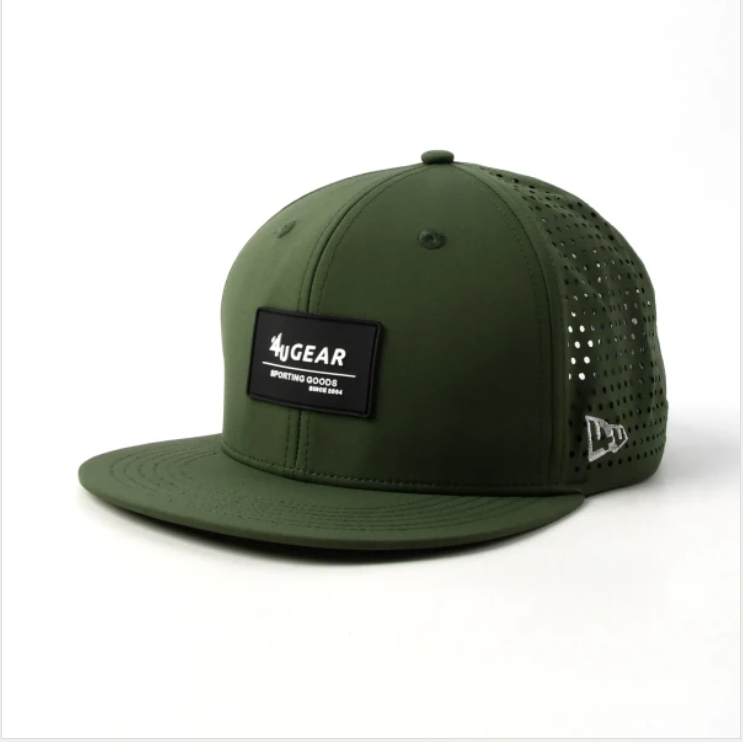
Most five-panels fall apart at the same three points: the front seam, the brim edge, and the sweatband stitching. A genuinely durable one starts with a tight, even stitch count across all panel joins—eight to ten stitches per inch is a good benchmark, though you can feel the difference more than count it. The thread matters just as much as the fabric; bonded nylon or polyester holds tension without snapping, while cheap cotton thread frays after a few months of sweat and sun.
The brim is the first thing to go soft and warp on imitations. Look for a flat brim backed with a dense, moisture-resistant board—usually a compressed fiber or recycled plastic—not cardboard. Flex it gently; it should bend under pressure but snap back flat. The crown fabric should be a mid-weight cotton twill or nylon blend with a tight weave, because loose weaves pill at friction points from adjusting the hat. Finally, the sweatband needs to be stitched, not glued, into the front panel. Glue breaks down with heat and body oils, leaving the hat floppy and misshapen within a season.
Brim Shape: Flat, Slightly Curved, or Skip the Debate
The brim might be the last thing you notice on a cap, but it’s often the first thing that defines the whole look. A flat brim carries that crisp, just-off-the-shelf energy — the kind that pairs naturally with streetwear, sneakers, and an unbothered attitude. It frames the face with clean lines and makes even a simple outfit feel deliberate. But flat isn’t just about aesthetics; it also gives you a wider shield from low sun, which matters more than you’d think on a long walk or a midday drive.
A slightly curved brim sits somewhere between polished and lived-in. It softens the silhouette without fully committing to the ball-cap cliché, and it tends to flatter more face shapes because it creates a gentle arc instead of a hard horizontal line. If you’re someone who tugs the brim down when deep in thought or bends it absentmindedly while waiting for coffee, this shape probably already feels like second nature. It’s the low-effort middle ground that still looks intentional.
Then there’s the option of not choosing at all — skip the debate and let the brim do what it wants. Some caps come with a pre-curved brim that keeps its shape no matter how you toss it in a bag, while others give you a flat brim that slowly warps with wear, becoming uniquely yours. In the end, the best brim shape is the one you stop thinking about ten minutes after putting the hat on. If it feels right, it probably is.
The Best Fabrics for Sweat, Sun, and Everyday Wear
Cotton feels safe until you actually sweat, then it turns into a wet blanket that takes hours to dry. Merino wool and high-tenacity polyester blends pull moisture away and dry fast, but the real trick is open weaves under the arms rather than relying on fabric alone.
For sun coverage, the weave matters more than fiber type. Tightly spun linen, hemp, and dark cotton block a surprising amount of UV while letting air move. Linen's natural slub also hides damp patches, making it a quiet workhorse for hot days.
Everyday wear calls for fabrics that hold their shape without screaming performance. Tencel and bamboo drape well and resist wrinkles, but they need cooler washes. A small amount of elastane keeps collars and cuffs from bagging out by late afternoon, which matters more than any technical tag.
How to Wear a Five-Panel Without Looking Like a Festival Vendor
The fastest way to look like you just worked a merch booth is to pile on every enamel pin, woven patch, and bright colorway you own. A five-panel already has a lot of visual weight up top, so let it breathe. Stick to one muted or earth-toned hat and keep the rest of your outfit intentionally boring—plain tee, straight-leg denim, clean sneakers. If you want a little personality, choose a single subtle detail like a tonal logo or a textured fabric instead of a loud graphic.
Fit matters more than most people think. Tighten the strap just enough that the hat sits level and doesn't clamp your temples, and don't let the brim flare out like a mini visor. A slight downward curve at the front keeps things relaxed rather than raffle-prize stiff. And avoid pairing it with obvious festival gear—no hydration packs, no chunky beaded necklaces, no oversized tie-dye. Wear it like you forgot it was there, not like it's the main event.
A Shortlist of Five-Panels That Punch Above Their Price
Five-panel caps rarely get the same attention as snapbacks or dad hats, but the format has quietly become a favorite for anyone who wants a low-profile crown and a clean, structured fit. The best part is that you don't need to spend much to get one that feels durable. Several workwear and skate brands now offer five-panels with tightly woven cotton twill, reinforced stitching along the seams, and a flexible brim that holds its shape without cracking. These are the kind of caps you can toss in a bag, wear in light rain, and still expect to look decent a year later.
What separates the good ones from the forgettable is usually in the hardware. A brushed metal buckle or a simple leather strap on the back often signals better hardware than the plastic clips found on cheaper hats. Some of the best under-the-radar picks come from brands that specialize in workwear—their five-panels use the same heavyweight fabric as their chore coats, so the crown doesn't collapse after a few wears. Others borrow from cycling culture, with a slightly deeper fit and a shorter brim that stays out of your eyes when you lean forward. None of these will win a fashion contest, but they all do the one thing that matters: they feel like they should cost twice as much.
FAQ
A 5-panel cap has a lower, flatter profile because the crown is split into five sections instead of six. That extra seam gives it a rounder, less structured shape that sits closer to the head. Regular baseball caps usually have a taller, more domed crown and a button on top, while 5-panels often skip the button for a cleaner look.
Ebbets Field Flannels makes incredible wool caps based on vintage minor league designs. Norse Projects keeps things minimal with solid colors and a slightly shorter brim. Carhartt WIP uses tough canvas that ages well, and Patagonia offers recycled materials if you want something more eco-conscious.
Yes, usually. Since 5-panel caps have a shallower crown and less internal structure, they sit closer to your skull instead of towering above it. Look for ones with an adjustable strap or buckle instead of a fitted size, and avoid caps with heavy padding in the front panel.
Go for muted colors like olive, navy, or off-white, and avoid anything with a giant logo. Pair it with a plain tee, an open flannel, or a light chore coat. Keep the brim slightly curved by hand, and wear the cap low enough that it doesn't perch on top of your head.
Check the fabric first. Wool and cotton twill hold their shape better than flimsy polyester. Look at photos of the inside to see if the brim is stiff or flexible. Read reviews about sizing and strap adjustment. Also make sure the seller has a decent return policy because the fit can vary a lot between brands.
Patagonia uses recycled polyester and organic cotton in some of their hats. Smaller brands like Topo Designs and United By Blue also use recycled materials and have transparent supply chains. If you want something truly unique, look for caps made from deadstock fabric on Etsy or from independent makers.
The Ebbets Field Flannels wool 5-panel is a solid pick. It usually runs around $45 to $50 depending on the team design, and the wool is thick enough to hold its shape without feeling stiff. The leather strap on the back gives it a nice vintage touch that cheap caps don't have.
Conclusion
Five-panel baseball caps have quietly become the smarter choice for anyone who finds trucker hats too boxy or mesh-heavy. The construction itself is the first selling point: a five-panel design distributes stress across more seams, which means the crown keeps its shape longer than a trucker’s foam front, and the lack of a center seam on the forehead means no awkward crease marks after a long day. Durability really comes down to the stitching and the brim material—look for double-needle seams and a brim that isn’t just cardboard wrapped in fabric. A slightly curved brim tends to flatter more face shapes than a completely flat one, and it also keeps the hat from reading as a costume piece.
When it comes to fabric, cotton twill works for everyday wear, but a lightweight nylon or ripstop is better if you sweat or spend time in the sun; avoid anything too shiny or it starts to look like a vendor badge. Wearing a five-panel without looking like you’re working a festival booth is mostly about fit and color: keep the crown low, avoid overly bright panels, and pair it with a plain tee or a chore coat rather than a tie-dye hoodie. As for specific recommendations, a few under-the-radar options punch above their price—think washed canvas versions with a soft brim, or recycled polyester ones with a hidden sweatband. You don’t need a logo to make it work; the shape and fabric do the heavy lifting.
Contact Us
Contact Person: Tommy
Email: [email protected]
Tel/WhatsApp: 8613546956008
Website: https://www.4ugearsupply.com/